Introduction
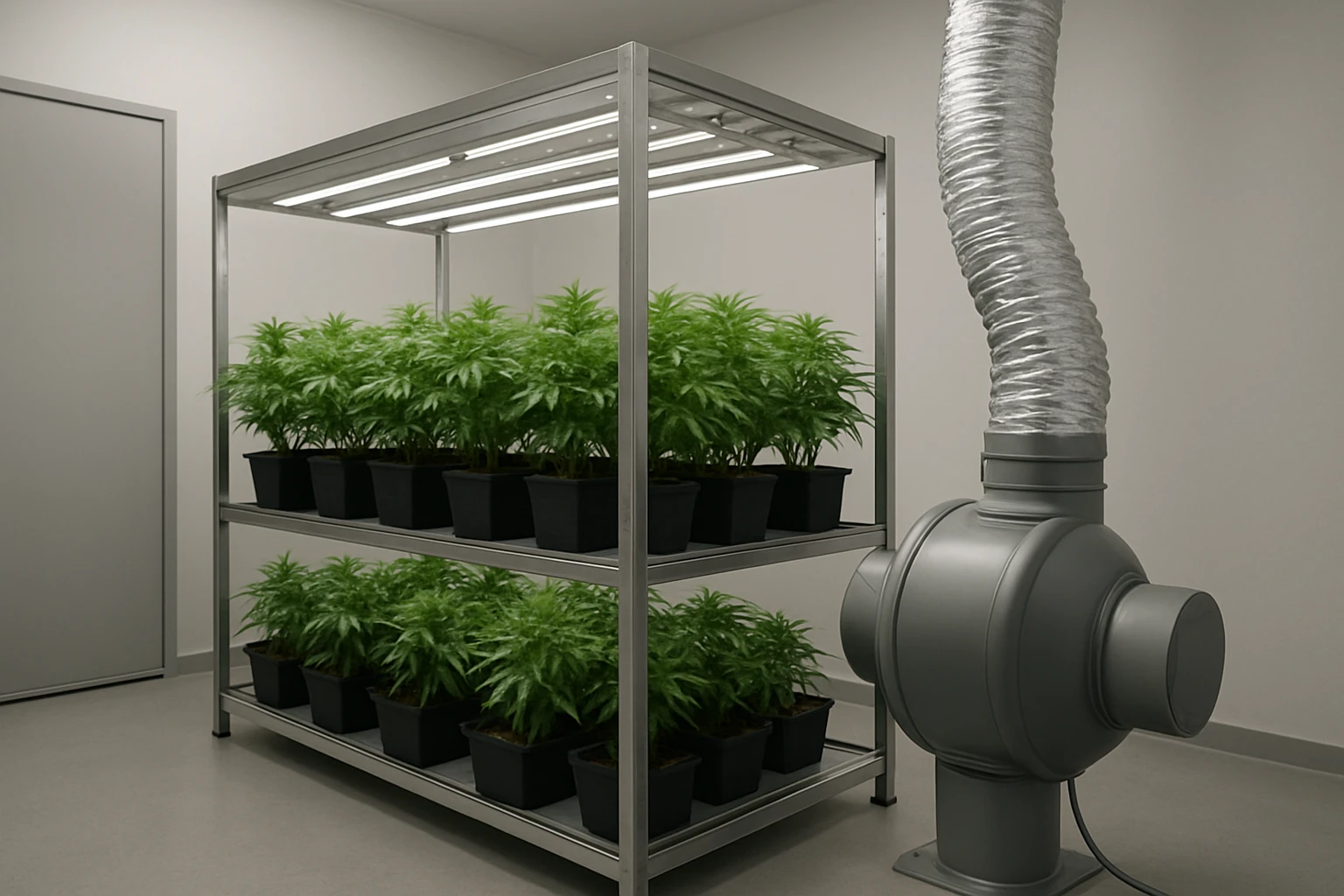
The reader will learn how to create a hydroponic environment that produces minimal odor and operates quietly. A well‑controlled grow room improves plant health, reduces neighbor complaints, and enhances overall productivity. This guide presents ten actionable solutions that combine simple techniques with proven tools. By following each step, one can achieve a discreet and efficient cultivation space.
What You’ll Need
- Sealing tape, weatherstripping, or acoustic caulk
- Carbon filter suitable for hydroponic use
- Land Guard 5 Gal Fabric Grow Bags
- Hon&Guan 4 Inch Inline Duct Fan
- Flexible ducting, clamps, and basic tools
- Sound‑absorbing panels or foam
- Thermometer, hygrometer, and timer
Step 1: Seal Gaps and Cracks
Begin by inspecting the grow room for any openings that allow air to escape unchecked. Apply acoustic caulk around windows, doors, and ventilation ducts to create an airtight envelope. Use weatherstripping on door frames to prevent drafts that can carry odor. Sealing the space ensures that subsequent filtration and ventilation systems operate at peak efficiency.
Step 2: Install a Carbon Filter
A high‑quality activated carbon filter captures volatile organic compounds that cause strong smells. Mount the filter on the intake side of the exhaust system, ensuring that air passes through the carbon media before leaving the room. Connect the filter to a pre‑filter mesh to extend its lifespan. Replace the carbon media according to the manufacturer’s schedule, typically every three to six months.
Step 3: Use Breathable Fabric Grow Bags
Replace rigid plastic containers with Land Guard 5 Gal Fabric Grow Bags to improve root aeration and reduce water retention that can amplify odor. The non‑woven fabric provides excellent drainage, preventing over‑watering and allowing roots to breathe. Each bag features heavy‑duty handles for easy relocation, and the material offers thermal insulation that moderates temperature fluctuations. At a price of $6.99 per bag, the set of four delivers a cost‑effective solution with a 4.4‑star rating from over three thousand reviewers.
Step 4: Optimize Exhaust Airflow with an Inline Duct Fan
Install the Hon&Guan 4 Inch Inline Duct Fan to move stale air through the carbon filter and out of the grow room. The fan delivers 130 CFM of airflow while consuming only 6 W of power, making it both energy‑efficient and low‑noise. Its variable speed controller allows precise adjustment of airflow to match plant growth stages, reducing unnecessary fan noise during quiet periods. Priced at $25.99 and backed by a 4.3‑star rating, this fan provides reliable performance for small to medium grow spaces.
Step 5: Maintain Ideal Temperature and Humidity
Set the thermostat to keep the ambient temperature between 68 °F and 78 °F, and maintain relative humidity between 50 % and 70 %. Use a digital thermometer and hygrometer to monitor conditions continuously. When temperature spikes occur, increase fan speed briefly; when humidity rises, employ a dehumidifier or adjust watering schedules. Consistent environmental control reduces plant stress, which in turn limits the production of odor‑causing compounds.
Step 6: Choose Low‑Noise Equipment
Select pumps, air stones, and lighting fixtures that are rated for quiet operation. Submersible pumps with brushless motors generate less vibration, while LED grow lights produce minimal heat and acoustic output. Position equipment on vibration‑isolating pads to further dampen sound transmission through the floor.
Step 7: Apply Sound‑Dampening Materials
Cover interior walls with acoustic foam panels or mass‑loaded vinyl to absorb stray noise. Install the panels in a staggered pattern to maximize diffusion. For budget‑friendly options, dense moving blankets can be hung temporarily during peak growth phases. Sound‑absorbing materials also help contain odor by limiting airflow through wall gaps.
Step 8: Manage Nutrient Solution Spills
Place a waterproof tray beneath each grow bag to catch excess runoff. Clean the tray daily to prevent the buildup of nutrient residues that can emit pungent smells. Using the breathable fabric bags reduces the frequency of spills because excess water drains freely through the material.
Step 9: Establish a Regular Cleaning Routine
Schedule weekly cleaning of the grow room, including wiping surfaces with a mild disinfectant, vacuuming dust, and inspecting filters for clogs. Replace carbon filter cartridges according to usage, and clean the duct fan blades to maintain optimal airflow. A disciplined cleaning regimen prevents mold growth, which can contribute to unpleasant odors.
Step 10: Monitor and Adjust Continuously
Utilize a smart controller to log temperature, humidity, and fan speed data. Review the logs weekly to identify trends such as rising odor levels during flowering stages. Adjust ventilation rates, nutrient schedules, or lighting intensity based on the data. Continuous monitoring ensures that the grow room remains both quiet and odor‑free throughout the cultivation cycle.
Tips & Pro Tips
- Combine carbon filtration with ozone generators for an extra layer of odor neutralization, but verify plant safety before use.
- Rotate the position of grow bags every two weeks to promote even light exposure and airflow.
- Use a timer to run the duct fan at low speed during off‑hours, maintaining a baseline airflow without excessive noise.
- Consider adding a small air purifier with a HEPA filter to capture airborne particles that may carry odor.
Troubleshooting
Problem: Persistent odor despite filtration.
Solution: Check for leaks around duct connections, replace carbon media, and verify that the fan is operating at the recommended speed.
Problem: Fan produces a humming noise louder than expected.
Solution: Ensure the fan is securely mounted, use rubber grommets at mounting points, and balance the fan blades if necessary.
Conclusion
The reader now possesses a comprehensive set of ten strategies to reduce both odor and noise in a hydroponic grow room. By sealing the space, employing carbon filtration, selecting breathable fabric bags, and installing an efficient inline duct fan, one can achieve a discreet and productive cultivation environment. Ongoing monitoring and disciplined maintenance will preserve these benefits throughout the growing season.
Products Mentioned in This Guide
Frequently Asked Questions
How can I seal a hydroponic grow room to prevent odor leaks?
Use acoustic caulk, weatherstripping, or sealing tape around windows, doors, and duct seams to create an airtight barrier.
What type of carbon filter is best for eliminating grow room smell?
Choose a hydroponic‑rated activated carbon filter sized for your exhaust fan’s CFM rating for maximum odor absorption.
Which fan setup reduces noise while maintaining airflow?
Install a low‑speed inline duct fan with flexible ducting and vibration‑isolating mounts to keep sound levels low.
How do sound‑absorbing panels improve grow room quietness?
Mount acoustic foam or panels on walls and ceilings to dampen fan and equipment noise without affecting ventilation.
Are there any inexpensive tools to monitor and control grow room conditions?
A basic thermometer, hygrometer, and programmable timer help maintain optimal temperature, humidity, and fan cycles.