Introduction
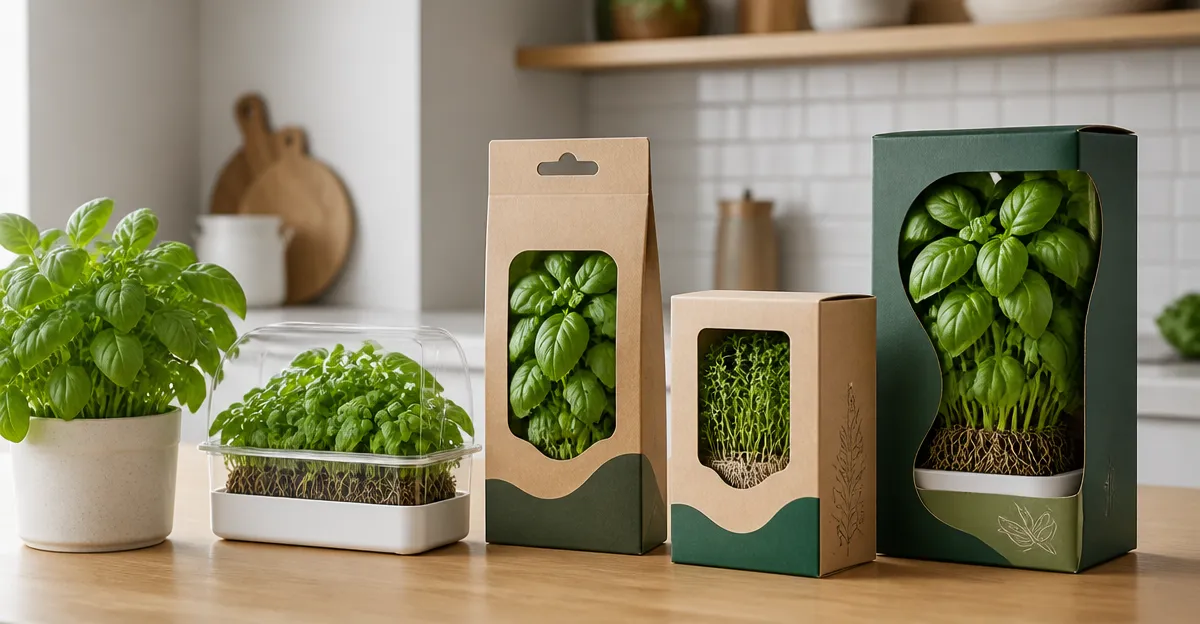
Packaging design for direct-to-consumer hydroponic herbs has become a critical factor in the success of modern growers. This guide explains the essential concepts, presents actionable strategies, and recommends specific products that enhance freshness, reinforce brand identity, and increase sales. Readers will learn how to evaluate material properties, choose appropriate formats, and implement best practices that align with sustainability goals. By the end of the article, one will possess a comprehensive roadmap for creating packaging that delights customers and protects delicate herb products.
Background/Context
Hydroponic herbs are harvested at peak potency, yet they remain highly sensitive to moisture loss, temperature fluctuations, and mechanical damage. Traditional plastic bags often fail to provide the breathability required for optimal shelf life, leading to wilting and loss of aromatic compounds. In addition, consumers increasingly demand transparent, eco‑friendly solutions that convey authenticity and quality. Understanding the science of post‑harvest physiology and the psychology of branding therefore forms the foundation of effective packaging design.
Key physiological factors include transpiration rate, ethylene exposure, and microbial contamination. Materials that balance barrier properties with controlled airflow can extend freshness by up to 30 percent compared with conventional options. From a marketing perspective, visual cues such as windows, branding areas, and tactile finishes influence perceived value and purchase intent. The convergence of these considerations creates a unique design space for hydroponic herb sellers.
Choosing the Right Packaging Materials
Selecting a material that protects herbs while communicating brand values is the first strategic decision. Paper‑based composites offer moisture resistance, odor barrier, and a natural aesthetic that resonates with environmentally conscious buyers. For example, FireKylin Resealable Paper Pouches combine a BOPP outer film, kraft middle layer, and food‑grade CPP liner to create a three‑layer barrier that is both odorless and moisture‑proof. The pouches are priced at $9.99 for a pack of 100, carry a 4.6‑star rating from 2,151 reviews, and feature a matte window for product visibility.
When larger volumes or reusable options are required, high‑impact polystyrene containers such as Dipoo Deli Containers provide airtight sealing and temperature resilience. The set includes 20 pieces each of 32 oz, 16 oz, and 8 oz containers, priced at $29.99, with a 4.6‑star rating from 2,740 reviewers. Their leak‑proof lids and BPA‑free construction make them suitable for both fresh herbs and pre‑mixed seasoning blends.
For bakery‑style presentation, AZLTC Kraft Bread Bags deliver a thick kraft paper construction with a transparent window and included seal stickers. Priced at $8.89 for 50 bags, these items hold a 4.6‑star rating from 4,448 reviews and are 50 percent thicker than standard bakery bags, providing extra tear resistance for heavier herb bundles.
Another versatile option is the HONKID Bakery Bags, which feature a reusable tin tie tab lock and a waterproof, oil‑resistant coating. At $9.98 for 50 bags and a 4.8‑star rating from 231 reviews, these bags combine durability with a clear window that showcases product colour and texture.
Finally, for disposable, compostable solutions, Aricsen Compostable Meal Prep Containers offer a biodegradable bagasse construction that is microwave‑safe and PFAS‑free. The 100‑piece set costs $27.90, carries a 4.4‑star rating from 1,647 reviews, and decomposes within three to six months, aligning with zero‑waste initiatives.
Packaging Formats for Hydroponic Herbs
Different herb product lines benefit from distinct packaging formats. Single‑serve herb sachets are ideal for culinary kits, while bulk pouches suit subscription services that deliver weekly fresh herb mixes. For premium gift sets, a combination of a sturdy kraft bag with a decorative seal sticker creates a luxurious unboxing experience.
Resealable paper pouches excel in single‑serve applications because the zip strip allows repeated access without compromising freshness. Their matte window provides an immediate visual cue that reinforces the herb’s colour and vibrancy. In contrast, rigid containers such as the Dipoo Deli set are better suited for pre‑mixed herb blends that require protection from crushing during transport.
When presenting artisanal herb blends alongside baked goods, the AZLTC and HONKID bread bags deliver a bakery‑style aesthetic that elevates perceived value. Their transparent windows enable customers to verify the product without opening the package, reducing handling and preserving aroma.
For events, catering, or pop‑up markets, compostable containers from Aricsen provide a responsible alternative that eliminates plastic waste while maintaining structural integrity for hot or cold dishes that incorporate fresh herbs.
Comparison/Selection Guide
| Packaging Type | Key Strengths | Ideal Use Case | Price (USD) | Rating |
|---|---|---|---|---|
| FireKylin Resealable Paper Pouches | Three‑layer barrier, matte window, heat‑sealable | Single‑serve herb sachets, sample packs | 9.99 (100 pcs) | 4.6/5 (2,151 reviews) |
| Dipoo Deli Containers | BPA‑free, leak‑proof, multiple sizes | Bulk herb blends, meal‑prep kits | 29.99 (120 pcs) | 4.6/5 (2,740 reviews) |
| AZLTC Kraft Bread Bags | 50% thicker, window, seal stickers | Gift‑box herb bundles, bakery‑style presentation | 8.89 (50 pcs) | 4.6/5 (4,448 reviews) |
| HONKID Bakery Bags | Reusable tin tie, waterproof, oil‑resistant | Premium herb packs, mixed‑product kits | 9.98 (50 pcs) | 4.8/5 (231 reviews) |
| Aricsen Compostable Containers | Fully compostable, microwave‑safe, sturdy | Event catering, eco‑friendly take‑away | 27.90 (100 pcs) | 4.4/5 (1,647 reviews) |
When selecting a package, one should weigh factors such as product volume, distribution channel, brand positioning, and sustainability goals. For a brand that emphasizes natural aesthetics, paper‑based pouches or kraft bags provide the most coherent visual language. For a brand that prioritizes durability and reusability, the dipoo containers or HONKID bags are preferable. Finally, for a brand that wants to eliminate plastic waste entirely, the Aricsen compostable containers align with that mission.
Best Practices & Tips
- Maintain a controlled internal atmosphere by selecting materials with appropriate water‑vapor transmission rates; this prevents wilting while preserving essential oils.
- Incorporate a clear window on at least 30 percent of the package surface to allow customers to see the herb’s colour and texture, which increases purchase confidence.
- Use a branding area above the window for a sticker, label, or printed logo; this reinforces brand recall and differentiates the product on crowded shelves.
- Seal packages using heat‑seal technology when long‑term storage or shipping is required; resealable zippers are ideal for repeat‑use scenarios.
- Consider adding a QR code that links to a video tutorial on herb usage; this adds value and encourages repeat purchases.
- Test packaging under simulated transport conditions (vibration, temperature shifts) to verify that the chosen solution maintains structural integrity.
- When possible, source compostable or recyclable materials to appeal to environmentally conscious consumers and to comply with emerging regulations.
Frequently Asked Questions
- What material provides the best balance of breathability and moisture barrier for fresh herbs?
- A three‑layer paper composite with an inner food‑grade CPP liner, such as the FireKylin resealable pouches, offers excellent moisture resistance while allowing limited gas exchange.
- Can I reuse paper‑based herb packaging?
- Yes, the zip strip on the FireKylin pouches enables multiple openings, and the kraft surface can be cleaned gently for subsequent uses.
- Are the Dipoo containers safe for microwave heating?
- While the containers are dishwasher safe, they are not recommended for direct microwave heating because the polystyrene may warp at high temperatures.
- How do compostable containers compare to traditional plastic in terms of strength?
- Aricsen compostable containers are engineered with reinforced bagasse fibers, providing strength comparable to lightweight plastic while remaining biodegradable.
- What is the most cost‑effective option for a subscription box that delivers 30 g of herbs weekly?
- The FireKylin resealable paper pouches, priced at $9.99 for 100 units, deliver the lowest cost per unit while maintaining freshness and brand visibility.
- Do the HONKID bakery bags work for oily herb extracts?
- Yes, the oil‑resistant coating on the HONKID bags prevents seepage and maintains a clean exterior even when the contents contain essential oil residues.
- Is there a way to make packaging more sustainable without sacrificing shelf life?
- Combining a biodegradable container such as the Aricsen bagasse box with a recyclable paper window creates a hybrid solution that extends shelf life and reduces plastic usage.
Conclusion
Effective packaging for direct‑to‑consumer hydroponic herbs must protect product quality, convey brand values, and support sales objectives. By understanding material science, selecting the appropriate format, and applying best‑practice design principles, growers can differentiate their offerings in a competitive market. The product recommendations presented in this guide illustrate how specific solutions address distinct use cases, from single‑serve sachets to bulk reusable containers. Implementing these strategies will enable businesses to boost freshness, strengthen brand perception, and ultimately increase revenue.
Products Featured in This Guide
FireKylin Resealable Paper Pouches
Price: $9.99 (100 pcs) | Rating: 4.6/5 (2,151 reviews)
Featured for its three‑layer barrier, matte window, and heat‑sealable zip, making it ideal for single‑serve herb sachets and brand‑focused packaging.
Dipoo Deli Containers
Price: $29.99 (120 pcs) | Rating: 4.6/5 (2,740 reviews)
Featured for its BPA‑free, leak‑proof design and multiple size options, suitable for bulk herb blends and meal‑prep kits.
AZLTC Kraft Bread Bags
Price: $8.89 (50 pcs) | Rating: 4.6/5 (4,448 reviews)
Featured for its extra thickness, transparent window, and included seal stickers, perfect for premium herb gift packs.
HONKID Bakery Bags
Price: $9.98 (50 pcs) | Rating: 4.8/5 (231 reviews)
Featured for its reusable tin tie lock, waterproof coating, and clear window, suitable for upscale herb bundles.
Aricsen Compostable Meal Prep Containers
Price: $27.90 (100 pcs) | Rating: 4.4/5 (1,647 reviews)
Featured for its fully compostable bagasse construction, microwave safety, and sturdy design, ideal for eco‑friendly herb distribution.