Allergy‑Friendly Hydroponic CSA Setup: A Step‑by‑Step Guide to Low‑Allergen Community‑Supported Agriculture
Introduction
This guide explains how to create a hydroponic community‑supported agriculture (CSA) program that minimizes common allergens such as pollen, dust, and mold. Readers will learn the scientific basis for low‑allergen hydroponics, the equipment required, and step‑by‑step procedures for establishing a thriving indoor garden. The guide also highlights specific products that simplify the process while maintaining high quality and safety standards.
By the end of the article, readers will be able to design a scalable hydroponic system, select appropriate lighting and water‑management tools, and implement best practices that protect vulnerable participants. The information is presented in a professional tone suitable for growers, community organizers, and health‑conscious consumers.
Background and Context
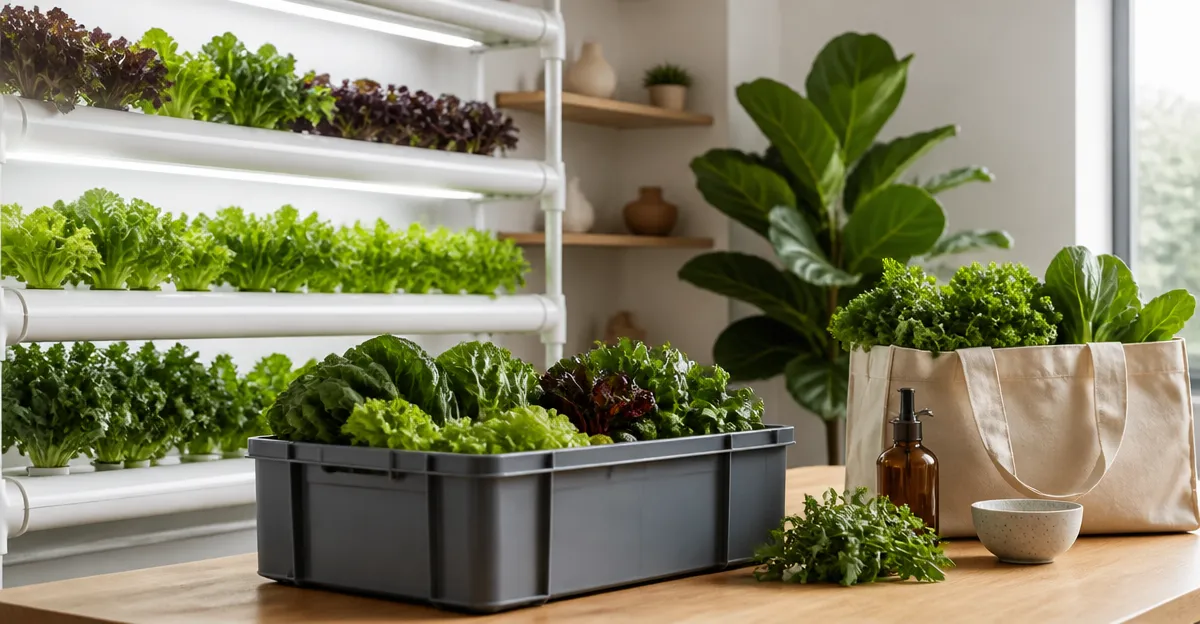
Hydroponics is a soil‑free cultivation method that delivers nutrients directly to plant roots via a water‑based solution. Because the medium is inert, the system eliminates many sources of airborne allergens that are typical of traditional gardens, such as mold spores in soil and pollen released from outdoor plants.
Allergy‑friendly CSA programs focus on varieties that produce low pollen loads, such as leafy greens, herbs, and certain fruiting vegetables. Controlled indoor environments also allow precise regulation of temperature, humidity, and ventilation, further reducing allergen exposure.
Key concepts include nutrient film technique (NFT), deep‑water culture (DWC), and aeroponics. Each method provides a different balance of water circulation, oxygenation, and root support. Selecting the appropriate technique depends on space, budget, and the target audience’s health requirements.
Designing the Hydroponic CSA System
Successful CSA design begins with a clear layout plan. The following steps outline the process from site selection to final harvest.
- Assess Available Space: Choose a location with stable electricity, easy access to water, and minimal direct sunlight. A kitchen, garage, or dedicated greenhouse room works well.
- Determine System Capacity: Estimate the number of members and desired weekly share. A typical 10‑pod system can supply enough herbs and leafy greens for 15‑20 households.
- Select Growing Technique: For beginners, a closed‑loop DWC system offers simplicity and reliable yields. More advanced growers may prefer NFT for faster turnover.
- Install Lighting: Full‑spectrum LED panels mimic natural sunlight while producing less heat, which helps control mold growth.
- Integrate Water Management: Automated pumps and timers ensure consistent nutrient delivery and oxygenation, reducing the need for manual adjustments.
Each of these steps can be supported by the products featured later in this guide.
Recommended Products and Their Role
While many hydroponic kits are available, the following selections have proven track records for reliability, ease of use, and low allergen potential.
Click & Grow Indoor Herb Garden Kit
The Click & Grow Indoor Herb Garden Kit provides a plug‑and‑play solution for beginners. Its energy‑efficient LED grow light delivers the full spectrum required for basil, cilantro, and other low‑pollen herbs. The self‑watering reservoir reduces the frequency of manual water changes, limiting aerosolized droplets that could carry mold spores.
- Price: $106.95
- Rating: 4.6/5 based on 2,376 reviews
- Key features: LED grow light, pre‑seeded pods, water‑level indicator, compact countertop design
This kit is ideal for CSA starter boxes that include a selection of fresh herbs for members who prefer minimal maintenance.
Ahopegarden 10‑Pod Hydroponic Garden
The Ahopegarden 10‑Pod Hydroponic Garden offers a larger capacity with adjustable LED lighting and a visible water‑level window. Its dual‑mode light settings (blue for vegetables, red for fruit) enable growers to tailor spectra to specific crops, thereby optimizing nutrient uptake and reducing plant stress that can increase pollen production.
- Price: $67.99
- Rating: 4.5/5 based on 3,330 reviews
- Key features: 10 growing pods, height‑adjustable light post, 16‑hour on/8‑hour off timer, quiet pump
The system’s modular design makes it suitable for community kitchens where multiple members can share responsibility for planting and harvesting.
Ahopegarden 12‑Pod Hydroponic Garden
The Ahopegarden 12‑Pod Hydroponic Garden expands capacity to 12 plants and includes an LCD touchscreen for precise control of light cycles. The 22‑hour lighting mode can boost flowering for low‑allergen varieties such as strawberries, while the 5‑liter water tank reduces refill frequency, limiting exposure to standing water.
- Price: $69.99
- Rating: 4.5/5 based on 1,020 reviews
- Key features: LCD control panel, full‑spectrum LEDs, adjustable height, ultra‑quiet pump
This model is recommended for medium‑size CSA groups that require a balance between automation and hands‑on involvement.
URUQ 8‑Pod Hydroponic Garden
The URUQ 8‑Pod Hydroponic Garden provides a budget‑friendly entry point with a 24‑watt LED panel and a 3‑liter water reservoir. Its ceramic‑core pump operates below 20 dB, ensuring a quiet environment that does not disturb sensitive members.
- Price: $49.99
- Rating: 4.5/5 based on 713 reviews
- Key features: Adjustable LED arm, water‑level indicator, 16‑hour light cycle, detachable light pole for cleaning
Because the system is compact, it fits well on small kitchen counters, making it ideal for urban CSA initiatives.
Comparison and Selection Guide
The table below summarizes the most relevant specifications for each product, allowing growers to match system features with community needs.
| Product | Pods | LED Power | Water Tank Capacity | Price (USD) | Rating |
|---|---|---|---|---|---|
| Click & Grow Indoor Herb Garden Kit | 3 (expandable) | Energy‑efficient LED (unspecified) | Integrated reservoir (size not disclosed) | 106.95 | 4.6 |
| Ahopegarden 10‑Pod Hydroponic Garden | 10 | Full‑spectrum LED with dual mode | Visible water‑level window (capacity not disclosed) | 67.99 | 4.5 |
| Ahopegarden 12‑Pod Hydroponic Garden | 12 | LCD‑controlled full‑spectrum | 5 L | 69.99 | 4.5 |
| URUQ 8‑Pod Hydroponic Garden | 8 | 24 W adjustable LED | 3 L | 49.99 | 4.5 |
When choosing a system, consider the following criteria:
- Scale of Distribution: Larger pods count supports bigger member bases.
- Allergen Control: Quiet pumps and enclosed reservoirs reduce aerosolized particles.
- Budget: Initial outlay and ongoing electricity costs should align with community funding.
- Ease of Maintenance: Systems with visible water‑level windows and automatic timers lower the risk of neglect.
Best Practices and Tips for an Allergy‑Friendly CSA
Implementing a low‑allergen hydroponic CSA requires attention to both horticultural technique and health considerations.
- Choose Low‑Pollen Varieties: Lettuce, spinach, kale, basil, mint, and certain cherry tomatoes produce minimal airborne pollen.
- Maintain Optimal Humidity: Keep relative humidity between 50‑60 % to discourage mold growth. Use a hygrometer and dehumidifier if necessary.
- Sanitize Equipment Regularly: Clean reservoirs, pumps, and grow trays with a diluted hydrogen peroxide solution weekly to prevent microbial buildup.
- Implement Air Filtration: Install a HEPA filter in the grow room to capture any residual spores or dust.
- Rotate Crops Weekly: Rotating plant species reduces the chance of allergen accumulation and improves nutrient balance in the water.
- Educate Members: Provide guidance on proper handling of harvested produce, including washing leaves under running water to remove any residual particles.
By following these practices, a community can enjoy fresh, nutritious produce while minimizing health risks for allergic participants.
Frequently Asked Questions
What makes hydroponic growing lower in allergens than traditional gardening?
Hydroponics eliminates soil, which is a common source of mold spores and dust mites. Controlled indoor environments also limit exposure to wind‑borne pollen.
Can I grow fruiting vegetables without increasing pollen levels?
Yes, select varieties such as cherry tomatoes and certain peppers that have self‑pollinating flowers and produce limited airborne pollen.
How often should I change the nutrient solution?
Replace the solution every two weeks, or sooner if the electrical conductivity (EC) reading exceeds the recommended range for the chosen crops.
Is LED lighting safe for people with light‑sensitive allergies?
LEDs emit minimal ultraviolet radiation and heat, reducing the risk of skin irritation. Choose full‑spectrum LEDs that mimic natural sunlight without excessive intensity.
What budget should I allocate for a starter CSA of ten members?
A reasonable budget includes one Ahopegarden 10‑Pod Hydroponic Garden ($67.99), supplemental nutrient packs ($30), and basic safety equipment ($20). Total initial cost approximates $118.
How can I ensure the system remains quiet for sensitive members?
Select models with ceramic‑core pumps, such as the URUQ 8‑Pod Hydroponic Garden, which operates below 20 dB.
Conclusion
Creating an allergy‑friendly hydroponic CSA combines scientific understanding of allergen sources with practical system design. By selecting appropriate low‑pollen crops, employing quiet and sealed equipment, and following rigorous sanitation protocols, communities can provide fresh, nutritious produce without compromising health. The products highlighted in this guide offer reliable, scalable solutions that support both novice and experienced growers.
With careful planning and ongoing education, a hydroponic CSA can become a cornerstone of sustainable, inclusive food systems.
Products Featured in This Guide
Click & Grow Indoor Herb Garden Kit
Price: $106.95 | Rating: 4.6/5 (2,376 reviews)
Featured because it provides a compact, plug‑and‑play solution ideal for beginner CSA members and low‑maintenance herb production.
Ahopegarden 10‑Pod Hydroponic Garden
Price: $67.99 | Rating: 4.5/5 (3,330 reviews)
Featured for its larger capacity, adjustable lighting, and visible water‑level window, making it suitable for medium‑size community groups.
Ahopegarden 12‑Pod Hydroponic Garden
Price: $69.99 | Rating: 4.5/5 (1,020 reviews)
Featured because the LCD touchscreen and 12‑pod capacity allow precise control for larger CSA operations while maintaining a sleek, modern aesthetic.
URUQ 8‑Pod Hydroponic Garden
Price: $49.99 | Rating: 4.5/5 (713 reviews)
Featured for its affordability, quiet ceramic pump, and adjustable LED arm, making it an excellent entry point for urban CSA projects.