Introduction
This guide explains how educators and hobbyists can transform hydroponic expertise into revenue‑generating virtual courses. Readers will learn curriculum design, video production, live demonstration techniques, pricing models, and marketing tactics. The article also recommends specific indoor garden systems that enhance the learning experience. By following the recommendations, creators can build a sustainable online business while helping learners grow fresh produce at home.
Background and Context
Hydroponics is a soil‑free cultivation method that uses nutrient‑rich water to accelerate plant growth. Recent advances in LED lighting, smart pumps, and compact reservoirs have made indoor gardening accessible to urban dwellers. The pandemic accelerated demand for remote learning, creating a niche for virtual workshops that teach practical hydroponic skills. Understanding the technology and market dynamics provides a solid foundation for successful course creation.
Designing a Curriculum that Delivers Value
A well‑structured curriculum balances theory, hands‑on practice, and assessment. Begin with an introductory module that covers plant biology, nutrient solutions, and system components. Follow with a practical module that guides students through setting up a starter kit, such as the Ahopegarden 10-Pod Hydroponic Garden. This system includes a water reservoir, LED grow light, and circulation pump, allowing learners to witness rapid growth within days. Conclude with a marketing module that teaches participants how to sell their own produce or share knowledge.
Key curriculum elements include:
- Learning objectives aligned with industry standards.
- Step‑by‑step video tutorials that demonstrate each setup phase.
- Interactive quizzes that reinforce concepts.
- Live Q&A sessions that address individual challenges.
Incorporating real‑world examples, such as case studies of successful home growers, increases credibility. Provide downloadable resources, including nutrient charts, planting schedules, and budgeting templates. By the end of the course, students should be able to operate a hydroponic system confidently and understand how to monetize their new skill set.
Building Engaging Video Content
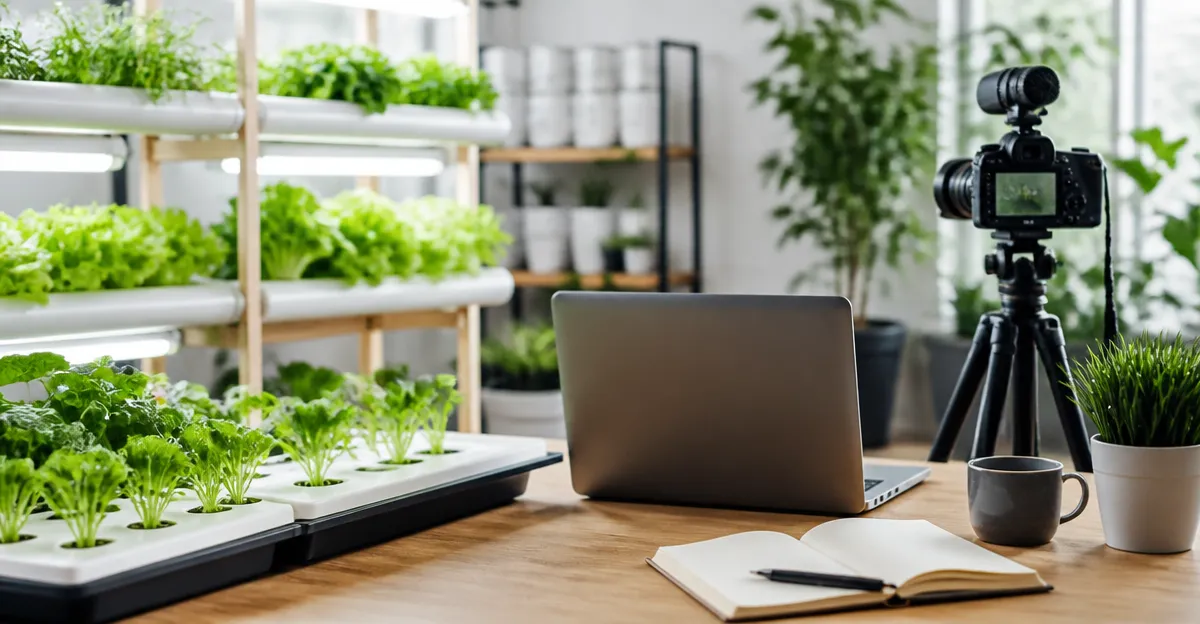
High‑quality video is essential for maintaining learner attention in a virtual environment. Use a DSLR or mirrorless camera with a tripod to capture stable footage of the hydroponic setup. Record close‑up shots of seed germination, nutrient mixing, and pump operation to illustrate critical steps. Edit the footage to include captions, graphics, and timestamps that highlight important information.
When demonstrating equipment, showcase products that offer clear instructional value. The LETPOT 12-Pod Smart Hydroponic Garden provides an app‑controlled LED schedule and water‑level alerts, making it ideal for showing automated system management. Its 24‑watt full‑spectrum LED promotes up to 40% faster growth, a statistic that can be visualized through time‑lapse footage. Highlight the stainless‑steel exterior and double‑layer reservoir, which demonstrate durability and ease of cleaning.
Hosting Live Demonstrations with Hydroponic Systems
Live sessions create a sense of community and allow real‑time problem solving. Schedule weekly webinars where participants can ask questions while you operate a hydroponic unit. The URUQ 8-Pod Hydroponic Garden is compact enough to fit within a typical home office backdrop, yet powerful enough to showcase multiple plant varieties. Its quiet pump (<20 dB) and adjustable 21‑inch LED pole reduce background noise, ensuring clear audio during demonstrations.
During the live demo, walk learners through the water‑level window, explain the two lighting modes (blue for vegetative growth, red for flowering), and adjust the height‑adjustable light post as plants mature. Encourage participants to share screenshots of their own setups, fostering peer‑to‑peer feedback. Record the session and make it available as an on‑demand resource for future cohorts.
Monetization Models and Pricing Strategies
Several revenue models can be applied to hydroponic workshops. The most common are one‑time enrollment fees, subscription access to a library of content, and tiered membership plans that include private coaching. Price points should reflect the value of the included resources, such as starter kits, downloadable guides, and ongoing support.
For example, a basic tier priced at $99 could grant access to pre‑recorded modules and a community forum. A premium tier at $199 might add monthly live Q&A sessions, a discount code for the GARDENCUBE Hydroponic Pods Kit, and personalized feedback on system design. The pods kit, priced at $17.99, includes 166 pieces of sponges, baskets, domes, and nutrients, making it a cost‑effective supplement for students who already own a compatible hydroponic base.
Marketing Your Virtual Course Effectively
Successful promotion combines organic content, paid advertising, and strategic partnerships. Create SEO‑optimized blog posts that target keywords such as “online hydroponic course” and “learn indoor gardening.” Share short tutorial videos on TikTok, Instagram Reels, and YouTube Shorts, highlighting rapid plant growth achieved with the Ahopegarden Hydroponic Pods Kit. This kit, priced at $9.99, offers 24 grow sponges and nutrient bottles, making it an affordable entry point for beginners.
Leverage affiliate marketing by offering a commission to influencers who review the featured products. Use email sequences that provide free mini‑lessons, followed by a compelling call‑to‑action to enroll. Track conversion metrics with UTM parameters to refine ad spend and improve ROI.
Comparison and Selection Guide
Choosing the right hydroponic system depends on budget, space, and instructional goals. The table below summarizes the five featured products.
| Product | Pods | Price | Key Features | Rating |
|---|---|---|---|---|
| Ahopegarden 10-Pod Hydroponic Garden | 10 | $65.99 | LED full‑spectrum, water‑level window, height‑adjustable light post, dual light modes | 4.6/5 (3,286 reviews) |
| LETPOT 12-Pod Smart Hydroponic Garden | 12 | $97.17 | App‑controlled lighting schedule, 5.5 L tank, stainless‑steel exterior, 24 W full‑spectrum LED | 4.5/5 (1,769 reviews) |
| URUQ 8-Pod Hydroponic Garden | 8 | $43.99 | Quiet pump (<20 dB), 24 W LED, adjustable height, 3 L reservoir with viewing window | 4.5/5 (658 reviews) |
| GARDENCUBE Hydroponic Pods Kit | 40 sponges (compatible) | $17.99 | 166‑piece kit, compatible with most systems, includes nutrients and labels | 4.5/5 (2,347 reviews) |
| Ahopegarden Hydroponic Pods Kit | 24 | $9.99 | Universal compatibility, premium grow sponges, 400 ml A&B nutrients | 4.5/5 (424 reviews) |
For instructors who need a complete, ready‑to‑use system, the Ahopegarden 10‑Pod and LETPOT 12‑Pod models are ideal. Those with limited space may prefer the URUQ 8‑Pod, which offers a compact footprint and ultra‑quiet operation. Supplementary supplies such as the GARDENCUBE Pods Kit or Ahopegarden Pods Kit provide cost‑effective consumables for ongoing classes.
Best Practices and Tips for Long‑Term Success
- Maintain consistent branding across all video assets, PDFs, and landing pages.
- Collect student feedback after each module and iterate on content quality.
- Offer seasonal challenges (e.g., “Spring Herb Harvest”) to keep the community engaged.
- Cross‑sell related products, such as nutrient bundles or extra pods, using affiliate links.
- Monitor analytics weekly to identify drop‑off points and adjust the curriculum accordingly.
Implementing these practices ensures high completion rates and encourages word‑of‑mouth referrals. Remember that the value you provide in the learning experience often outweighs the price of the physical products.
Frequently Asked Questions
Q1: Do I need to own a hydroponic system to teach a virtual course?
Answer: While it is possible to use simulated software, having a physical system such as the Ahopegarden 10‑Pod Hydroponic Garden enhances credibility and allows real‑time demonstrations.
Q2: How much time should each video lesson be?
Answer: Aim for 8‑12 minutes per lesson; this length balances depth of content with learner attention span.
Q3: Can I offer a free trial without giving away the full curriculum?
Answer: Yes, provide a short introductory module that showcases teaching style and includes a brief demo using the URUQ 8‑Pod Hydroponic Garden.
Q4: What is the best platform for hosting live workshops?
Answer: Platforms such as Zoom, Microsoft Teams, or WebinarJam support screen sharing, Q&A, and recording features, which are essential for interactive sessions.
Q5: How do I price my course competitively?
Answer: Research comparable courses, consider the cost of included hardware (e.g., $65.99 for Ahopegarden 10‑Pod), and align pricing with the value of ongoing support and resources.
Q6: Is affiliate marketing allowed on most e‑learning platforms?
Answer: Most platforms permit affiliate links within course resources, provided they comply with the platform’s terms of service.
Q7: How can I scale my workshop to a larger audience?
Answer: Record live sessions, create a membership portal for on‑demand access, and automate email nurturing sequences to handle higher enrollment volumes.
Conclusion
Monetizing hydroponic workshops online requires a blend of educational design, high‑quality production, strategic product integration, and targeted marketing. By selecting appropriate systems such as the Ahopegarden 10‑Pod, LETPOT 12‑Pod, or URUQ 8‑Pod, instructors can provide tangible, visual learning experiences that differentiate their courses. Implementing the pricing, promotion, and best‑practice recommendations outlined in this guide will enable creators to build profitable, sustainable virtual offerings.
Products Featured in This Guide
Ahopegarden 10-Pod Hydroponic Garden
Price: $65.99 | Rating: 4.6/5 (3,286 reviews)
Featured because it provides a complete, beginner‑friendly system with adjustable LED lighting, dual growth modes, and a water‑level window, making it ideal for live demonstrations.
LETPOT 12-Pod Smart Hydroponic Garden
Price: $97.17 | Rating: 4.5/5 (1,769 reviews)
Featured for its app‑controlled lighting schedule, 5.5 L water tank, and stainless‑steel construction, which demonstrate advanced automation to learners.
URUQ 8-Pod Hydroponic Garden
Price: $43.99 | Rating: 4.5/5 (658 reviews)
Featured because its quiet pump and compact design make it suitable for home‑office live streams without background noise.
GARDENCUBE Hydroponic Pods Kit
Price: $17.99 | Rating: 4.5/5 (2,347 reviews)
Featured as a cost‑effective consumable kit that supplies sponges, baskets, domes, and nutrients for ongoing class projects.
Ahopegarden Hydroponic Pods Kit
Price: $9.99 | Rating: 4.5/5 (424 reviews)
Featured for its universal compatibility and affordable price, allowing students to replenish consumables without purchasing a new system.