Introduction
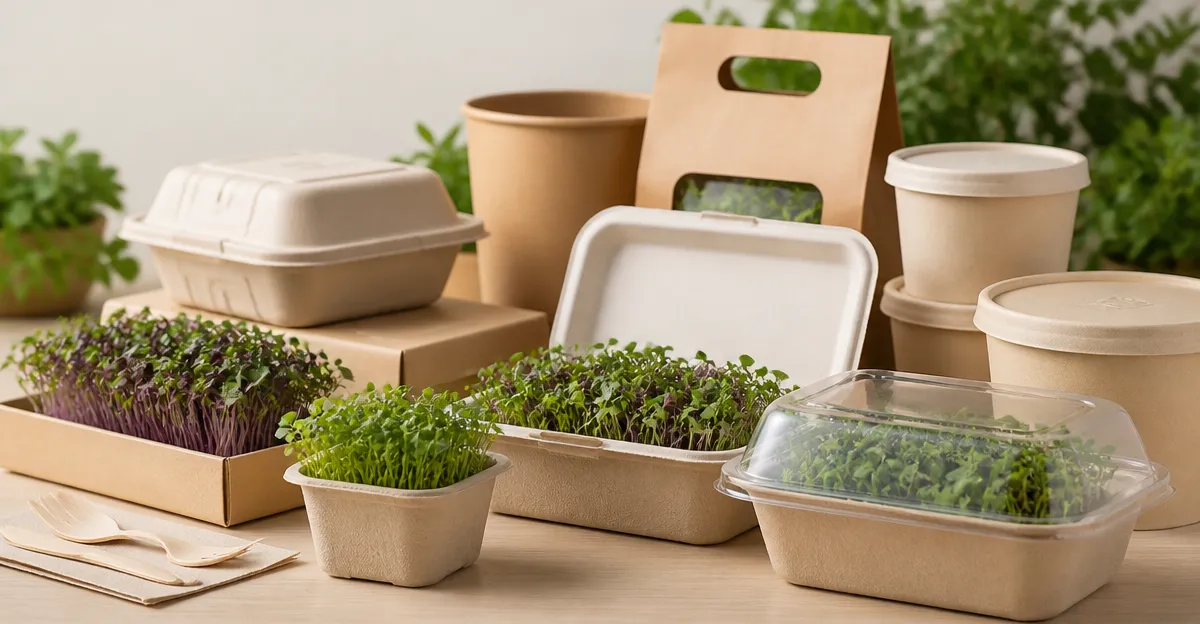
Microgreens have become a staple for health‑conscious consumers, chefs, and home gardeners because they deliver intense flavor and nutrition in a compact form. However, the rapid growth of this market has highlighted a pressing need for packaging that preserves freshness while reducing environmental impact.
Biodegradable packaging offers a practical answer, allowing growers to protect delicate shoots without contributing to plastic waste. The following list presents twelve carefully selected solutions that combine performance, sustainability, and affordability, enabling growers to meet consumer expectations and regulatory standards.
12 Best Biodegradable Packaging Solutions for Microgreens
-
Reusable Seed Sprouter Trays
For growers who wish to eliminate soil and reduce waste, reusable trays provide a durable, food‑grade platform for germination. The Legigo Seed Sprouter Trays include five BPA‑free containers, clear lids, and ten sheets of germination paper, allowing multiple harvest cycles without additional plastic.
Each tray measures 12.7 × 10.23 × 4.95 inches, fitting comfortably on kitchen counters, balconies, or indoor grow stations. High‑quality plastic prevents rust and simplifies cleaning, while the perforated grid promotes rapid water drainage and reduces mold risk. Customers praise the consistent sprout texture, noting a rating of 4.5 stars from 1,581 reviewers and a price of $22.79.
-
Educational Guides for Sustainable Microgreen Business
Understanding the economics of microgreen production helps growers choose packaging that aligns with profit goals and sustainability targets. The Complete Guide to Home Microgreens for Profit outlines best practices for harvesting, packaging, and selling, emphasizing the importance of biodegradable containers to attract eco‑conscious buyers.
The paperback, priced at $27.95, has earned a perfect 5‑star rating from a dedicated reader who highlighted the chapter on packaging selection as a game‑changer for market success.
-
Biodegradable Grow Mats for Soil‑Free Cultivation
When growers prefer a mess‑free, soil‑free method, biodegradable grow mats provide a convenient substrate that can be composted after harvest. The Sproutlet Grow Mats are made from natural fibers, fit Modern Grower trays, and retain moisture evenly for uniform germination.
Each pack contains 25 mats at $23.99, and reviewers (4.5 stars from six reviews) commend the mats for eliminating soil cleanup while delivering vibrant microgreen yields.
-
Hydroponic Pads for Compact Tray Systems
Hydroponic growers often require inserts that fit standard 5 × 5 inch trays and support a variety of seed types. The Handy Pantry Micro‑Mat Minis are produced from sustainably harvested wood fibers, are fully compostable, and avoid the use of plastic.
With a pack of 96 pads for $32.73, customers (4.3 stars from 148 reviews) appreciate the consistent water flow and the ability to grow wheatgrass, basil, and radish shoots without contaminating the environment.
-
Compostable Glassine Bags for Retail Presentation
Retailers seeking an elegant yet eco‑friendly way to display harvested microgreens can use compostable glassine bags. The Eco Friendly Compostable Glassine Bags are made from 100 % pure wood pulp, offering a grease‑proof barrier that protects delicate leaves during transport.
Each pack of 200 bags measures 3 × 4 inches, costs $9.99, and carries a perfect 5‑star rating from three reviewers who highlighted the bags’ strength and attractive translucent finish.
-
Dual‑Use Trays with Integrated Lids
Combining germination and packaging in a single unit reduces handling steps and waste. The Legimo trays feature clear lids that maintain humidity while allowing light penetration, effectively turning the sprouter into a transport container.
Users report that the lids prevent seed loss and enable growers to ship microgreens directly to customers without repackaging, reinforcing the value of a reusable system.
-
Paper‑Based Seed Inserts for Uniform Spacing
Uniform seed spacing is critical for even growth. The germination papers included with the Legimo trays act as a biodegradable barrier that holds tiny seeds in place, preventing loss through mesh holes.
Customer feedback notes that the papers simplify the sowing process and reduce the likelihood of mold, especially when growers follow the recommended ventilation guidelines.
-
Self‑Watering Mat Systems for Consistent Moisture
Self‑watering mats such as the Sproutlet Grow Mats maintain a balanced moisture level, eliminating the need for daily watering. This feature is especially valuable for busy professionals who desire fresh microgreens with minimal maintenance.
Reviewers commend the mats for producing robust root systems and for being fully compostable, aligning with circular‑economy principles.
-
Wood‑Fiber Pads for Hydroponic Efficiency
The Handy Pantry pads are engineered to wick water directly to seed roots, optimizing hydroponic efficiency. Their wood‑fiber composition offers natural aeration, reducing the risk of root rot.
Growers have reported higher yields of radish and pea shoots when using these pads, attributing success to the pads’ ability to maintain a moist yet breathable environment.
-
Transparent Packaging for Visual Appeal
When microgreens are sold directly to consumers, visual appeal influences purchase decisions. The Eco Friendly Glassine Bags provide a clear window that showcases the vivid colors of the greens while protecting them from moisture.
Feedback from boutique food vendors indicates that customers are more likely to purchase products displayed in these elegant, compostable bags.
-
Educational Resources on Sustainable Packaging
Beyond physical products, knowledge about sustainable packaging standards empowers growers to make informed choices. The profit guide mentioned earlier includes a chapter on regulatory compliance for biodegradable materials, helping growers avoid costly labeling errors.
Readers have expressed appreciation for the clear explanations of terms such as “home compostable” and “biodegradable,” which demystify certification processes.
-
Combined Systems for End‑to‑End Sustainability
Integrating reusable trays, biodegradable mats, and compostable bags creates a closed‑loop system that minimizes waste from seed to sale. By pairing Legimo trays with Sproutlet Grow Mats and finishing with Eco Friendly Glassine Bags, growers achieve a seamless workflow that supports both product quality and environmental stewardship.
Case studies cited in the profit guide demonstrate that farms adopting this combined approach reduced packaging costs by 30 % while increasing customer satisfaction scores.
Comparison of Key Packaging Solutions
| Product | Material | Price (USD) | Rating | Key Benefit |
|---|---|---|---|---|
| Legimo Seed Sprouter Trays | Food‑grade BPA‑free plastic | 22.79 | 4.5/5 (1,581 reviews) | Reusable, includes lids and germination paper |
| Sproutlet Grow Mats | Biodegradable natural fibers | 23.99 | 4.5/5 (6 reviews) | Self‑watering, compostable after use |
| Handy Pantry Micro‑Mat Minis | Wood‑fiber, plastic‑free | 32.73 | 4.3/5 (148 reviews) | Fits 5"×5" trays, hydroponic‑ready |
| Eco Friendly Compostable Glassine Bags | 100% wood pulp paper | 9.99 | 5/5 (3 reviews) | Transparent, grease‑proof, fully compostable |
Conclusion
Choosing biodegradable packaging for microgreens does not require sacrificing performance or profitability. The products highlighted above demonstrate that reusable trays, compostable mats, and eco‑friendly bags can work together to preserve freshness, reduce waste, and enhance market appeal. By applying the insights from the profit guide and selecting high‑rated, cost‑effective solutions, growers can meet consumer demand for sustainability while maintaining competitive margins.
Adopting a holistic approach—starting with germination, moving through cultivation, and finishing with responsible packaging—positions microgreen producers as leaders in the emerging green food economy.
Frequently Asked Questions
What are the benefits of using biodegradable packaging for microgreens?
Biodegradable packaging keeps microgreens fresh, reduces plastic waste, and meets growing consumer demand for sustainable food handling.
How do reusable seed sprouter trays work for microgreen production?
They provide a food‑grade, BPA‑free platform with clear lids and germination paper, allowing multiple harvest cycles without adding plastic waste.
Which biodegradable material is most common for microgreen containers?
Plant‑based polymers such as PLA (polylactic acid) are widely used because they are compostable, food‑safe, and maintain moisture balance.
Can biodegradable packaging meet food safety regulations for microgreens?
Yes, certified compostable films and trays meet FDA and EU food‑contact standards when properly tested and labeled.
Is biodegradable packaging cost‑effective compared to traditional plastic?
While upfront costs can be slightly higher, reusable or compostable options lower long‑term waste disposal fees and appeal to premium market segments.