Introduction
One is comparing the Smart Hydroponics DIY Plans with the broader market of hydroponic kits to determine whether a printable guide can deliver the same value as a pre‑assembled system. The comparison matters because home growers often face a choice between purchasing ready‑made equipment and investing time in a do‑it‑yourself solution. Understanding the cost, feature set, and reliability of a DIY plan helps one decide if the hands‑on experience aligns with personal goals, space constraints, and budgetary limits.
Individual Product Overview
The product under review is Smart Hydroponics DIY Plans. It is offered by The Best DIY Plans Store for $16.95 and currently shows a rating of 4.1 out of 5.0 despite having zero customer reviews. The guide promises step‑by‑step instructions for constructing a self‑watering vegetable hydroponic system suitable for indoor, balcony, or small outdoor spaces. The key strengths of the plan include low upfront cost, minimal water usage, and the ability to grow fresh produce year‑round in limited space.
Head‑to‑Head Comparison
Price and Value
At $16.95 the Smart Hydroponics DIY Plans represent a fraction of the expense associated with pre‑assembled hydroponic kits, which often start at $100 and can exceed $500 for advanced models. The low price makes the plan accessible to hobbyists who already possess basic tools and containers. However, the value proposition depends on the user’s willingness to source materials separately, which may introduce hidden costs.
Features and Specifications
- Comprehensive PDF guide covering system design, component selection, and assembly steps.
- Focus on self‑watering mechanisms that reduce manual irrigation.
- Designed for vegetable cultivation, with recommendations for leafy greens, herbs, and small fruiting plants.
- Adaptable to indoor lighting, balcony railings, or compact outdoor areas.
Customer Ratings and Feedback
The product displays a 4.1 rating but currently has no written reviews. The absence of feedback makes it difficult to gauge long‑term satisfaction or common pitfalls. Potential buyers should consider the rating as an indicator of initial quality while remaining aware of the lack of empirical user experiences.
Performance and Reliability
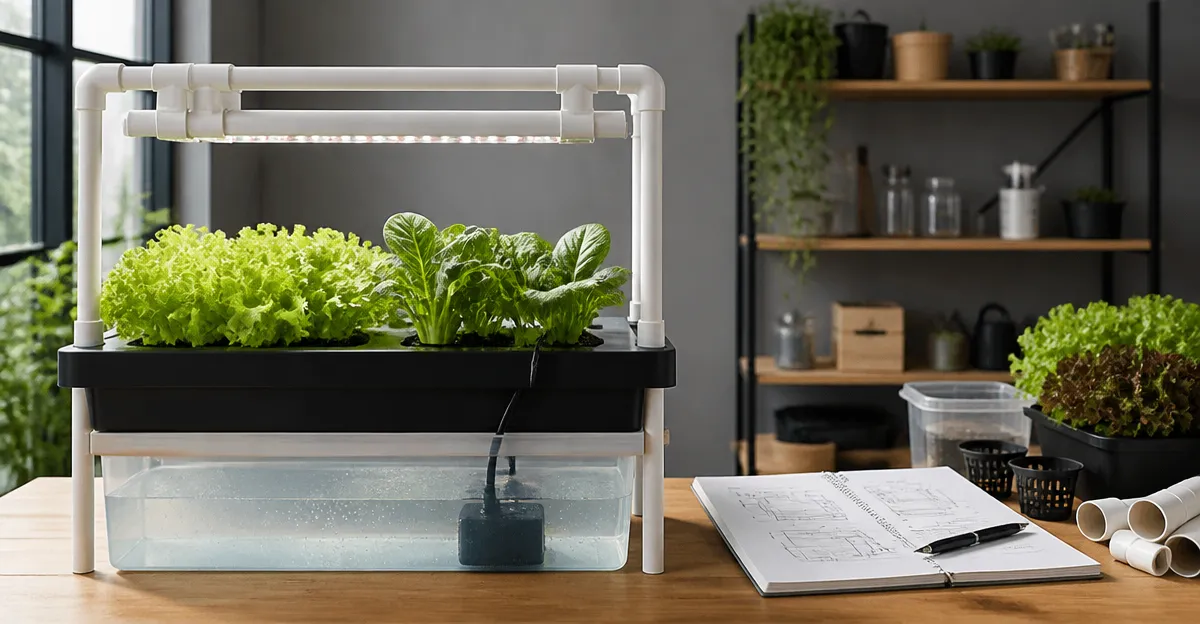
Because the product is a set of instructions rather than hardware, performance is directly tied to the builder’s execution. The guide emphasizes the use of durable, readily available materials such as PVC pipe, net pots, and a water reservoir. When assembled correctly, the system should deliver consistent moisture to plant roots, thereby reducing water waste and promoting healthy growth. Reliability therefore hinges on the builder’s adherence to the step‑by‑step process.
Best Use Cases
The plan excels in scenarios where space is limited, such as apartments, dorm rooms, or small balconies. It also suits educators who wish to demonstrate hydroponic principles in a classroom setting without incurring high equipment costs. Conversely, individuals seeking a plug‑and‑play solution with minimal assembly may find a pre‑built kit more appropriate.
Comparison Table
| Feature | Smart Hydroponics DIY Plans |
|---|---|
| Price (USD) | $16.95 |
| Format | Digital PDF guide |
| Target Plants | Vegetables, herbs, leafy greens |
| Space Requirements | Small indoor or balcony areas |
| Water Efficiency | Self‑watering design reduces waste |
| Customer Rating | 4.1 / 5.0 (0 reviews) |
Pros & Cons
Smart Hydroponics DIY Plans
- Pros
- Very low monetary cost compared with hardware kits.
- Provides educational value through hands‑on assembly.
- Adaptable to a variety of limited‑space environments.
- Emphasizes water‑saving technology.
- Cons
- No physical components are included; the buyer must source all materials.
- Lack of customer reviews makes performance verification difficult.
- Success depends on the builder’s technical aptitude.
- Potential hidden costs for materials may increase total expenditure.
Recommendations
One should purchase the Smart Hydroponics DIY Plans if one enjoys project‑based learning, possesses basic tools, and wishes to minimize initial spending. It is especially suitable for students, educators, and apartment dwellers who need a compact, customizable system. Individuals who prefer a ready‑made, warranty‑backed product should consider commercial hydroponic kits instead.
For those who decide to buy, the direct Amazon link is Smart Hydroponics DIY Plans. The low price point and detailed instructions make it an attractive entry point into modern gardening.
Frequently Asked Questions
- What materials are required to build the system? The guide recommends PVC pipe, a water reservoir (such as a plastic tote), net pots, a growing medium like rockwool, and a basic pump for nutrient circulation.
- Can the system be used with LED grow lights? Yes, the design accommodates LED fixtures, allowing one to grow plants indoors year‑round.
- How much water does the system consume? The self‑watering architecture recirculates nutrient solution, typically using less than 5 liters per week for a small balcony setup.
- Is any technical expertise required? Basic familiarity with measuring, cutting PVC, and assembling components is sufficient; the guide provides clear diagrams to assist beginners.
- Will the system support fruit‑bearing plants? The plan is optimized for leafy greens and herbs; larger fruiting plants may require a larger reservoir and stronger pump.
- Is there a warranty on the digital guide? The seller offers a 30‑day money‑back guarantee if the PDF does not download correctly.
- How long does assembly typically take? Most users report completing the build within 2‑4 hours, depending on familiarity with tools.
Conclusion
In summary, the Smart Hydroponics DIY Plans deliver a cost‑effective pathway to hydroponic gardening for individuals who value hands‑on construction and educational depth. While the lack of customer reviews introduces uncertainty, the clear specifications, low price, and adaptability to small spaces make it a compelling option for novice growers. One should weigh personal willingness to source materials against the convenience of pre‑assembled kits before making a final decision.