Introduction — February 1, 2026
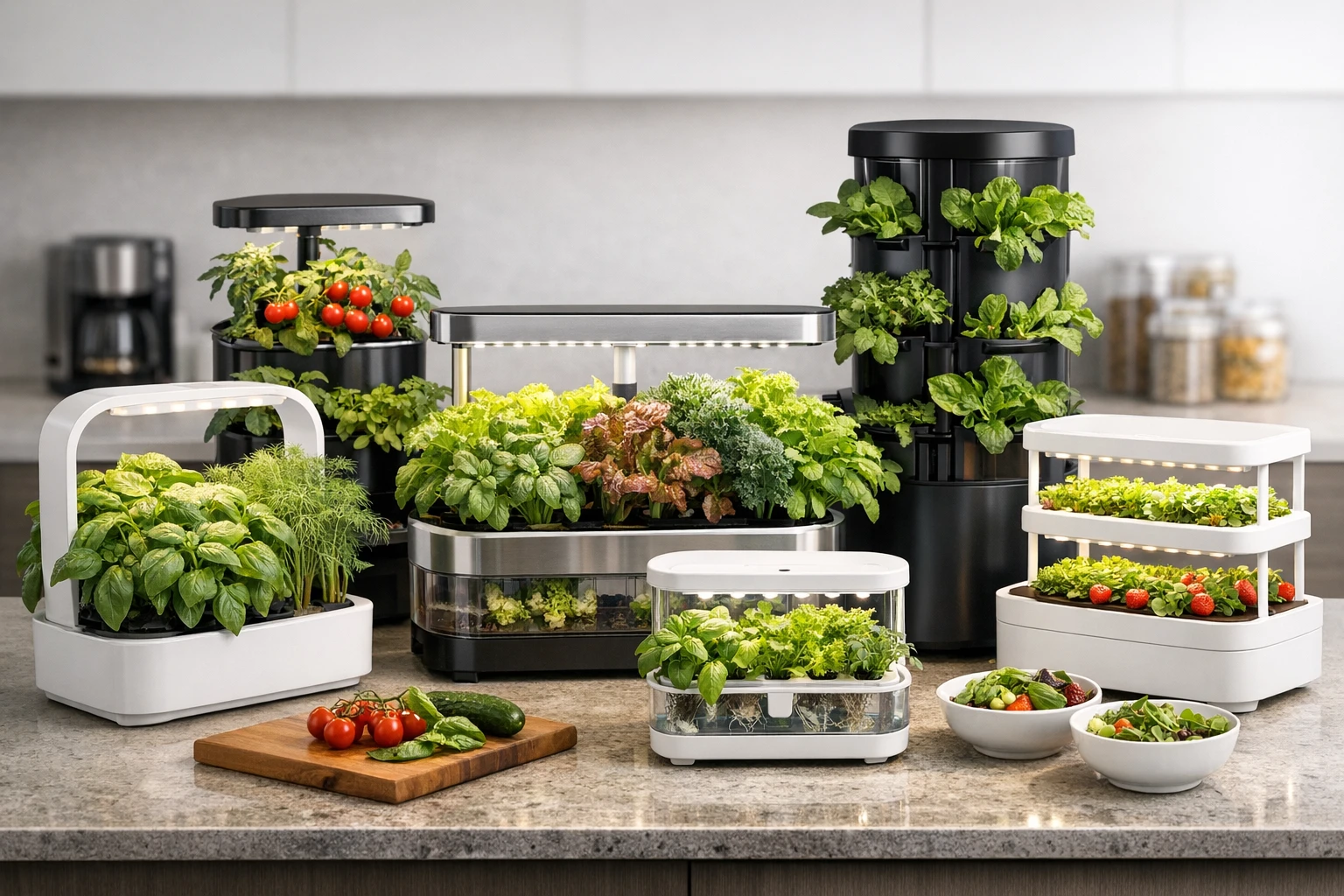
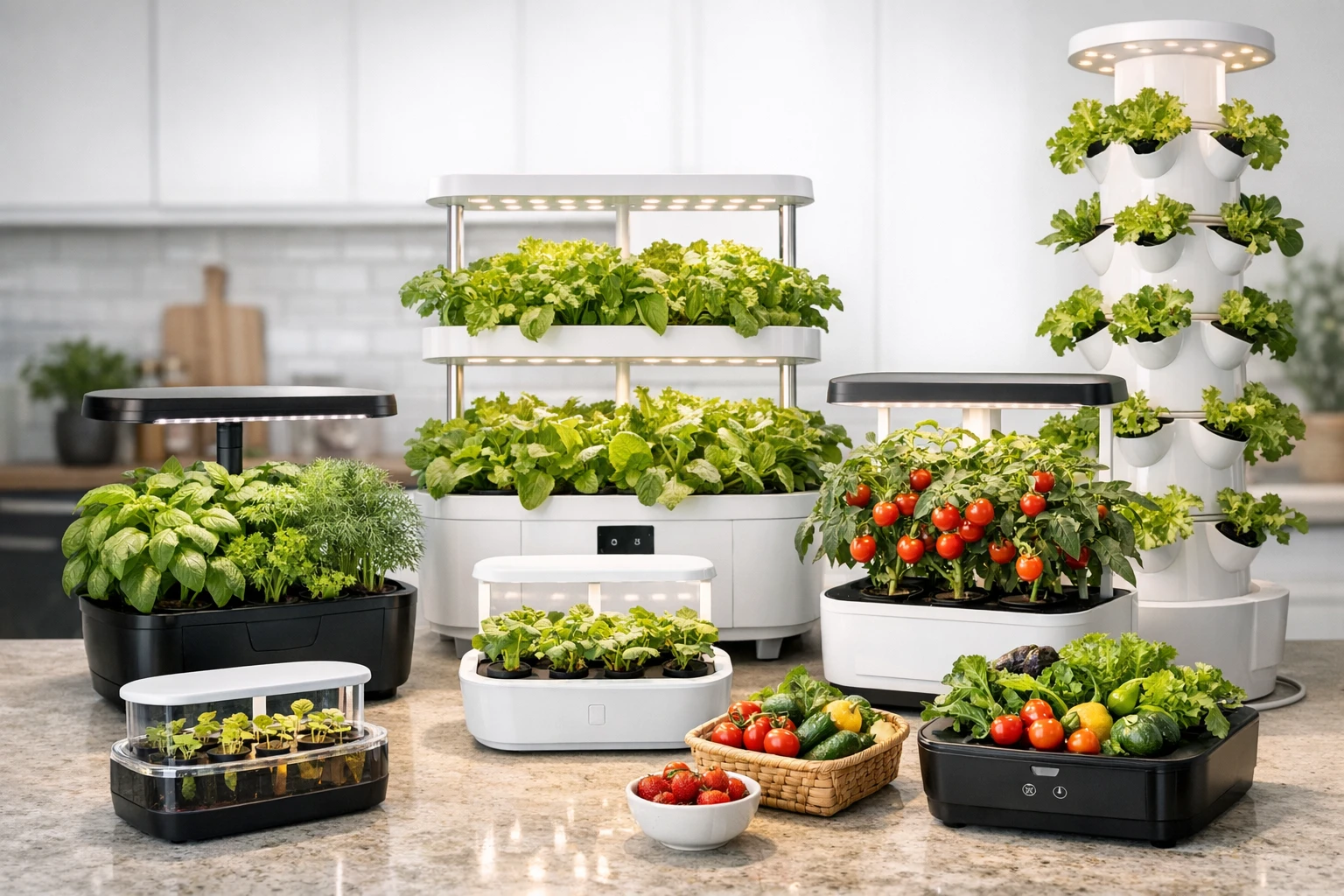
On February 1, 2026, one may seek a concise, authoritative guide to indoor growing using modern hydroponic methods. This article catalogs the 15 best hydroponic gardening systems for indoor use, chosen for their space efficiency, ease of setup, and reliability.
The list targets the urban grower and the serious hobbyist who desire fresh herbs and vegetables year-round without traditional soil. Each entry includes product highlights, pros and cons, a short setup walkthrough, and practical use cases for home kitchens or small commercial applications.
How to Choose Hydroponic Gardening Systems for Indoor Use
Choosing a hydroponic system requires assessment of space, plant types, maintenance tolerance, and budget. One must match system type to goals: leafy greens demand different configurations than fruiting plants.
Consider the learning curve: passive systems such as Kratky require less intervention than active NFT or aeroponic units. Light, nutrient management, and airflow must also be planned to optimize yield in confined indoor environments.
15 Best Indoor Hydroponic Gardening Systems
1. AeroGarden Farm 24 (Commercial and Home-Pro)
AeroGarden Farm 24 is a commercial-grade countertop unit scaled for prolific home production of herbs and small salad greens. It integrates LED lighting, auto-watering timers, and a nutrient dosing schedule that supports up to 24 plants.
- Features: full-spectrum LEDs, pump-driven water circulation, app-based reminders.
- Pros: turnkey setup, consistent yields, excellent support resources.
- Cons: higher price and moderate power draw compared to smaller units.
Short setup: 1) Assemble reservoir and lighting; 2) Add water and nutrient solution; 3) Insert seed pods and set timer. Typical application: chefs and home cooks who require continuous fresh herbs in small commercial kitchens.
2. Click & Grow Smart Garden 27
Click & Grow Smart Garden 27 focuses on simplicity through pre-seeded biodegradable pods and an intuitive water management system. The unit is ideal for novices who require low maintenance with predictable germination rates.
- Features: smart soil pods, automated watering, energy-efficient LEDs.
- Pros: minimal setup, low weekly maintenance, compact footprint.
- Cons: ongoing cost for proprietary seed pods and limited plant size capacity.
Short setup: 1) Insert seed pods into slots; 2) Fill water reservoir and plug in; 3) Monitor water level and replace pods at harvest. Case use: apartment dwellers who want herbs on a sunny countertop without daily care.
3. Gardyn Home Kit
Gardyn Home Kit uses a vertical tower layout with integrated cameras and AI-enabled guidance for plant health monitoring. It suits buyers who prefer a tech-forward, hands-off indoor garden that maximizes vertical space.
- Features: vertical design, remote app monitoring, auto-light schedules.
- Pros: high plant density per square foot, remote troubleshooting tools.
- Cons: premium cost and subscription options for advanced analytics.
Short setup: 1) Mount the tower and connect LEDs; 2) Add water and nutrients to the reservoir; 3) Insert plant pods and enable app integration. Application: homeowners seeking a living green wall and continuous salad green production.
4. Tower Garden by Juice Plus+
Tower Garden employs aeroponic circulation in a slim vertical tower that is highly efficient in light and water use. It supports medium-sized fruiting plants when grown with sufficient light and nutrient attention.
- Features: nutrient pump system, modular towers, durable food-grade materials.
- Pros: scalable, suitable for larger yields, robust construction.
- Cons: requires larger vertical clearance and moderately frequent maintenance.
Short setup: 1) Assemble the tower reservoir and pump; 2) Mix nutrients and fill reservoir; 3) Add seedlings to net pots and maintain airflow. Real-world use: community kitchens and classrooms for educational growing projects.
5. Rise Gardens Smart Farm
Rise Gardens Smart Farm blends modular stacking with a smartphone interface to deliver high-density herb and microgreen production. It is designed for consumers who value aesthetic integration into living spaces and intelligent monitoring.
- Features: modular racks, customizable light spectra, recipe-based planting guides.
- Pros: visually appealing, excellent mobile interface, strong community support.
- Cons: initial cost and occasional software updates may be required.
Short setup: 1) Stack modules and attach lights; 2) Set nutrient schedule via app; 3) Follow guided plant recipes. Application: designers and homeowners who require a showpiece indoor garden with practical yields.
6. Miracle-Gro Twelve Indoor Growing System
Miracle-Gro Twelve uses hydroponic grow pods beneath integrated LEDs, designed specifically for consumers transitioning from soil to hydroponics. It emphasizes simplicity and brand-backed support for nutrient choices.
- Features: compact modular units, pre-measured grow cartridges, intelligent lighting.
- Pros: competitive price, easy cartridge swaps, reliable germination.
- Cons: long-term costs for cartridges and limited customization for advanced growers.
Short setup: 1) Snap cartridges into the unit; 2) Top up reservoir with water and nutrients; 3) Start light cycle and monitor growth. Case use: families who want steady herb production with minimal learning curve.
7. Lettuce Grow Tower Garden POP
Lettuce Grow Tower Garden POP offers a compact, user-friendly vertical hydroponic tower with adjustable light arms. It excels at leafy greens and small herbs while minimizing floor footprint in kitchens and sunrooms.
- Features: vertical stacking, low-noise pump, sturdy frame for balconies.
- Pros: efficient water use, high per-square-foot output, easy harvesting.
- Cons: not ideal for large fruiting crops and requires strong overhead lighting for fruiting varieties.
Short setup: 1) Install tower and secure LED rig; 2) Add nutrient solution and prime pump; 3) Insert seedlings and maintain regular nutrient checks. Application: balcony gardeners and small restaurants with limited indoor space.
8. Back to the Roots Water Garden
Back to the Roots Water Garden combines aquaponics principles in a compact kit that pairs fish and plants. It is educational and practical, providing both ornamental fish and edible herbs in an integrated ecosystem.
- Features: self-contained fish tank, grow tray filter, educational materials.
- Pros: dual-purpose ecosystem, low tech, great for STEM learning.
- Cons: fish care adds complexity and limits plant density compared to pure hydroponics.
Short setup: 1) Cycle the tank with water and beneficial bacteria; 2) Add fish and plants once stable; 3) Monitor water quality and feed fish regularly. Real-world use: classrooms and families seeking an interactive food-and-fish exhibit.
9. iDOO Hydroponic Growing System
iDOO offers compact countertop hydroponic units focused on affordability and user-friendly maintenance. Their models often include dimmable LEDs and a small reservoir suitable for herbs and lettuce.
- Features: compact footprint, timer-controlled LEDs, easy-clean trays.
- Pros: low cost, ideal for beginners, lightweight design.
- Cons: limited capacity and less durable components than premium brands.
Short setup: 1) Place seed plugs into the net pots; 2) Fill reservoir with water and liquid nutrients; 3) Set timer and adjust light intensity. Application: renters and students who require a no-fuss herb source.
10. DIY Kratky System (Budget-Friendly)
The Kratky method is a passive hydroponic approach that requires no pumps or electricity for short-cycle crops. It is the simplest demonstration of hydroponic gardening systems for indoor use and excels with lettuces and basil.
- Features: passive nutrient reservoir, float collars, zero-energy operation.
- Pros: extremely low cost, minimal maintenance, highly scalable in small containers.
- Cons: not suited for long-term large plants and requires careful monitoring of oxygen levels as plants mature.
Short setup: 1) Fill an opaque container with nutrient solution; 2) Fit plant collars into the lid and insert seedlings; 3) Allow water level to drop slowly as roots grow while monitoring nutrient concentration. Use case: hobbyists testing hydroponics without financial commitment.
11. Nutraponics Fountain-Style System
Nutraponics fountain-style systems circulate nutrient solution across plant roots in a shallow tray, merging NFT and ebb-and-flow concepts. They offer balanced oxygenation and are favorable for mixed herb beds.
- Features: shallow flow trays, intermittent pump cycles, robust nutrient delivery.
- Pros: even root oxygenation, flexible planting layouts, moderate cost.
- Cons: pump dependency and periodic cleaning to prevent biofilm buildup.
Short setup: 1) Position trays and connect pump to timer; 2) Configure nutrient solution and set cycle intervals; 3) Plant seedlings in inert media and test cycle timers. Application: community gardens offering shared fresh produce in limited indoor spaces.
12. Vertical Pallet Hydroponic Rack
A vertical pallet rack converts shelving into a hydroponic trough system suitable for balconies and utility rooms. It is a semi-DIY approach that maximizes vertical yield for microgreens and small herbs.
- Features: modular shelving, gravity-fed reservoirs, custom lighting mounts.
- Pros: highly scalable, cost-effective when using off-the-shelf components.
- Cons: requires DIY skills and regular sanitation to prevent clogging.
Short setup: 1) Install shelves and line with shallow troughs; 2) Connect reservoirs and return lines; 3) Mount strip LEDs and plant seed trays. Real-world application: urban farms and makerspaces converting storage into productive garden racks.
13. HydroFarm Complete Hydroponic Kit
HydroFarm supplies comprehensive kits that include pumps, lights, reservoirs, and nutrient solutions for immediate setup. These kits suit users who desire one-stop purchases for a conventional grow system.
- Features: bundled accessories, scalable components, industry-grade pumps.
- Pros: straightforward procurement, reliable parts, strong vendor support.
- Cons: larger footprint and steeper initial setup complexity than micro-units.
Short setup: 1) Assemble reservoir and lights per included manual; 2) Prime the pump and mix nutrients; 3) Plant into net pots and begin scheduled maintenance. Application: first-time commercial growers testing small product lines in kitchens or pop-up stores.
14. Moistenland Aeroponic Tower
Moistenland aeroponic towers use high-pressure misting to deliver nutrients and oxygen to roots suspended in air. The system supports rapid growth rates and excellent root health when calibrated correctly.
- Features: fine mist nozzles, timed mist cycles, compact tower design.
- Pros: rapid growth, water efficiency, excellent aeration for roots.
- Cons: nozzle maintenance and sensitivity to water quality.
Short setup: 1) Assemble tower and install misting nozzles; 2) Connect to pump and water source with filtration; 3) Program mist intervals and transplant seedlings. Use case: experimental growers focusing on yield speed and water-constrained conditions.
15. Smart Microgreen Grower (Commercial Microgreen Unit)
Smart microgreen units are optimized for very quick harvest cycles and high-density trays that require minimal vertical space. They are ideal for restaurants and small retailers that need a continuous supply of nutrient-dense microgreens.
- Features: dense tray stacking, humidity control options, rapid LED cycles.
- Pros: very fast ROI for chefs, small footprint, consistent harvest schedules.
- Cons: narrow crop range focused on microgreens and short-cycle herbs.
Short setup: 1) Stack growing trays and set light timetable; 2) Sow microgreen seeds densely and mist as required; 3) Harvest in 7 to 21 days depending on species. Application: farm-to-table restaurants and specialty grocers seeking premium garnishes.
Comparison and Decision Checklist
A side-by-side comparison should weigh initial cost, operational costs, maintenance frequency, and crop type suitability. One should prioritize systems with reliable vendor support and easy access to replacement parts in indoor installations.
Checklist items include: available floor or counter area, willingness to manage fish or pumps, electricity availability, and target plant selection. Those constraints will narrow the best hydroponic gardening systems for indoor use to a manageable set of options.
Conclusion
This list presents 15 vetted hydroponic gardening systems for indoor use that span turnkey consumer units, vertical commercial structures, and DIY methods. One should select a system that aligns with space constraints, plant goals, and the desired level of technical engagement.
With proper light, nutrient management, and routine maintenance, these systems can deliver fresh herbs and vegetables year-round, reduce food miles, and provide a year-round source of nutritious greens. Prospective growers are advised to begin with one system, document cycles, and scale based on observed performance and yield.