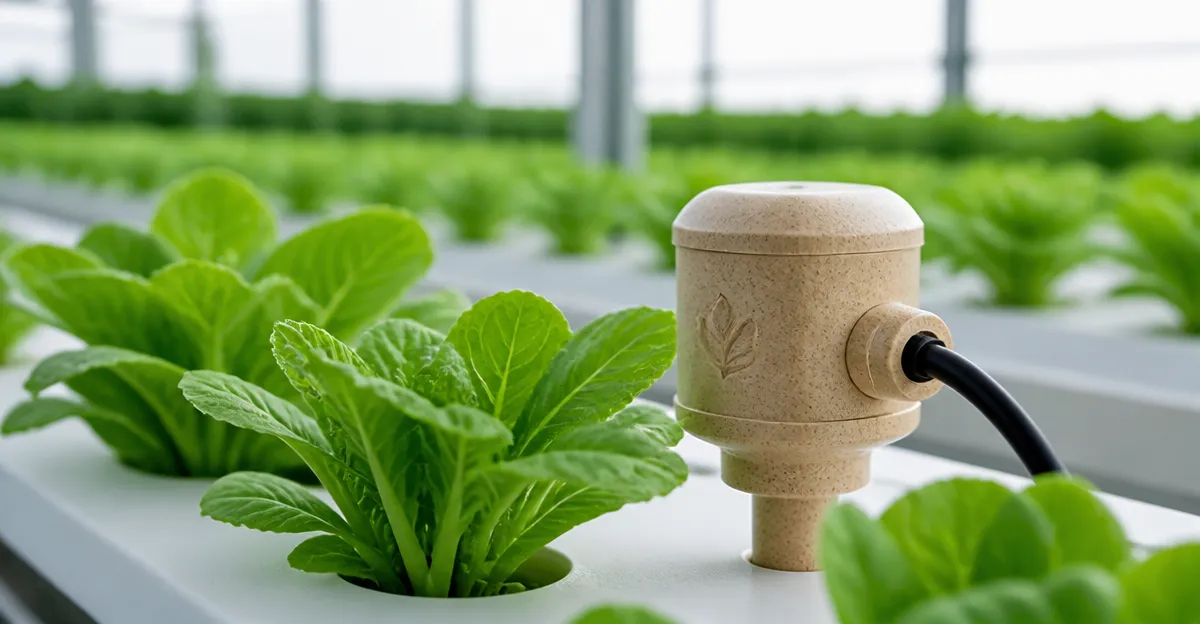
Biodegradable Sensor Housings for Hydroponics: The Ultimate Guide to Sustainable Design, Materials & Installation
Introduction
One will discover how biodegradable sensor housings can transform modern hydroponic operations while reducing environmental impact. This guide explains the scientific basis of biodegradable polymers, outlines design principles, and presents step‑by‑step installation methods. The reader will also learn how to select appropriate products that complement sustainable hydroponic practices. By the end of the article, one will be equipped to implement eco‑friendly sensor solutions with confidence.
Background and Context
Hydroponic systems rely on precise monitoring of pH, nutrient concentration, temperature, and dissolved oxygen. Conventional sensor housings are often fabricated from rigid plastics that persist in landfills for centuries. Recent advances in polymer science have introduced materials such as polylactic acid (PLA), polyhydroxyalkanoates (PHA), and starch‑based composites that degrade under composting conditions. Understanding the degradation pathways of these polymers is essential for ensuring reliable sensor performance throughout the intended service life.
In addition to material science, the geometry of the housing influences water flow, sensor exposure, and ease of maintenance. Computational fluid dynamics (CFD) simulations reveal that streamlined housings reduce turbulence and improve measurement accuracy. Moreover, modular designs enable rapid replacement of sensors without disrupting plant growth cycles. The integration of these concepts creates a holistic approach to sustainable hydroponic monitoring.
Materials for Biodegradable Sensor Housings
Three categories of biodegradable polymers dominate the market for sensor enclosures. Each material offers distinct mechanical properties, degradation rates, and processing requirements.
- Polylactic Acid (PLA): Derived from corn starch, PLA provides high tensile strength and ease of 3D printing. It degrades in industrial composting facilities within six months.
- Polyhydroxyalkanoates (PHA): Produced by bacterial fermentation, PHA exhibits superior flexibility and biodegrades in both soil and marine environments over a period of one to two years.
- Starch‑Based Composites: Blends of native starch with biodegradable polyesters create cost‑effective housings that break down in less than three months under humid conditions.
When selecting a material, one must consider the expected lifespan of the hydroponic crop cycle, exposure to nutrient solutions, and local composting infrastructure. For short‑term leafy greens, PLA or starch composites are sufficient, whereas long‑term fruiting systems may benefit from PHA’s extended durability.
Design Strategies for Optimal Performance
Effective housing design balances protection of the sensor with unobstructed interaction with the nutrient solution. The following strategies have proven successful in commercial and research settings.
- Modular Snap‑Fit Interfaces: Allow quick sensor replacement without tools, reducing downtime during harvest periods.
- Integrated Flow Channels: Shape the interior to guide solution past the sensing element, ensuring consistent data collection.
- Ventilation Ports: Prevent condensation buildup that can cause drift in electrical readings.
- Reinforced Mounting Points: Use biodegradable filaments with higher infill density at attachment zones to resist mechanical stress.
Design software such as Fusion 360 or FreeCAD can generate STL files that incorporate these features. Exported models are compatible with most desktop 3D printers equipped with biodegradable filament feeds.
Installation Techniques for Hydroponic Systems
Installation begins with careful placement of the housing within the nutrient reservoir or grow channel. One should follow these steps to ensure reliable operation.
- Identify a location where the housing will be submerged but remain accessible for maintenance.
- Secure the housing using biodegradable brackets or zip ties that will not introduce foreign plastics.
- Insert the sensor, ensuring that the active element is fully exposed to the solution while the electronic contacts remain protected.
- Calibrate the sensor according to manufacturer instructions, recording baseline values for future reference.
- Monitor degradation visually; replace housings when structural integrity diminishes, typically after the predicted service period.
For growers who are new to hydroponics, reference guides such as Alex Pierre Home Hydroponic DIY Guide provide comprehensive background on system setup and maintenance. The guide includes chapters on sensor integration, making it a valuable companion for implementing biodegradable housings.
Integrating Sensor Housings with Sustainable Practices
Beyond the technical installation, one should align sensor deployment with broader sustainability goals. Composting used housings alongside plant waste closes the material loop and reduces landfill burden. Local community compost programs often accept PLA and starch composites, but verification of acceptance criteria is recommended.
In addition, energy‑efficient data loggers powered by solar panels can further minimize the carbon footprint of the hydroponic operation. Pairing biodegradable housings with renewable power sources creates a synergistic effect that enhances overall environmental stewardship.
Comparison and Selection Guide
The table below assists the reader in choosing the most appropriate biodegradable housing material based on key project parameters.
| Material | Typical Degradation Time | Mechanical Strength | Best Use Case |
|---|---|---|---|
| PLA | 3–6 months (industrial compost) | High tensile strength, low flexibility | Short‑term leafy greens, educational kits |
| PHA | 12–24 months (soil/marine) | Moderate strength, high flexibility | Perennial fruiting systems, outdoor installations |
| Starch Composite | 1–3 months (humid compost) | Low strength, easy to print | Budget projects, rapid prototyping |
When a grower requires detailed guidance on hydroponic design, the Urban Farming Blueprint Year‑Round Hydroponics offers practical techniques that complement sensor deployment. The book’s 4‑star rating from 180 reviewers indicates reliable content, and its paperback format makes it accessible for field reference.
For a concise, step‑by‑step approach, the Grow Publishing 7‑Step Hydroponics Guide delivers a streamlined workflow that aligns well with modular housing installation. Its 4.7‑star rating from 140 reviewers reflects strong user satisfaction.
Best Practices & Tips
- Validate filament compatibility with the sensor’s temperature tolerance before printing.
- Use a water‑resistant sealant derived from biodegradable polymers at joint interfaces to prevent premature leakage.
- Schedule routine visual inspections every two weeks to detect early signs of material softening.
- Document each housing replacement in a maintenance log to correlate sensor drift with housing degradation.
- Engage with local composting facilities to confirm acceptance of specific polymer types, thereby ensuring responsible disposal.
Frequently Asked Questions
- What is the difference between PLA and PHA for sensor housings?
- PLA offers higher stiffness and faster degradation in industrial composting, making it suitable for short‑term projects, whereas PHA provides greater flexibility and degrades in a wider range of environments, supporting longer‑term applications.
- Can biodegradable housings be reused after composting?
- Once a housing has undergone full composting, its polymer structure is broken down into natural components and cannot be reconstituted for reuse. However, the sensor itself can be salvaged and re‑encapsulated in a new housing.
- How does temperature affect the degradation rate of biodegradable polymers?
- Higher ambient temperatures accelerate microbial activity, shortening the degradation timeline. In hydroponic reservoirs, the solution temperature typically remains between 18 °C and 24 °C, which modestly influences degradation speed.
- Are there any health concerns associated with polymer residues in nutrient solutions?
- Biodegradable polymers such as PLA and PHA are derived from renewable resources and are generally recognized as safe. Minor oligomer release may occur, but concentrations remain well below phytotoxic thresholds.
- What maintenance schedule is recommended for sensor housings?
- Perform a visual inspection biweekly, replace housings at the end of their predicted service life, and recalibrate sensors after each replacement to maintain data integrity.
Conclusion
One has explored the scientific foundations, material options, design strategies, and installation procedures that enable the successful use of biodegradable sensor housings in hydroponic environments. By selecting appropriate polymers, employing modular designs, and following best‑practice maintenance, growers can achieve accurate monitoring while minimizing ecological footprints. The featured literature provides additional depth, ensuring that readers possess both theoretical insight and practical guidance for sustainable hydroponic innovation.
Products Featured in This Guide
Alex Pierre Home Hydroponic DIY Guide
Price: CAD48.75 | Rating: 5/5.0 (0 reviews)
Featured because it offers comprehensive instructions for designing and installing indoor hydroponic systems, providing a solid foundation for integrating biodegradable sensor housings.
Urban Farming Blueprint Year‑Round Hydroponics
Price: $19.99 | Rating: 4/5.0 (180 reviews) | Availability: In Stock
Featured because it presents practical techniques for continuous hydroponic production, aligning with the guide’s emphasis on sustainable, year‑round sensor integration.
Grow Publishing 7‑Step Hydroponics Guide
Price: $14.99 | Rating: 4.7/5.0 (140 reviews) | Availability: In Stock
Featured because it delivers a concise, step‑by‑step methodology for establishing home hydroponic systems, making it ideal for readers who wish to quickly adopt biodegradable sensor solutions.