
Introduction
One will discover how to interpret homeowners association (HOA) regulations, secure the necessary approvals, and install an indoor hydroponic garden without violating community standards. This guide provides a structured approach that balances legal compliance with the desire to grow fresh produce year‑round. By following each step, one can avoid costly disputes, maintain good neighbor relations, and enjoy the benefits of soil‑free cultivation. The information presented is valuable for both seasoned gardeners and newcomers who wish to grow indoors within HOA‑governed properties.
What You'll Need
- Copy of the HOA governing documents (CC&Rs, bylaws, and architectural guidelines)
- Written request form for architectural modifications (often supplied by the HOA)
- Basic hydroponic equipment (grow lights, nutrient reservoir, pump, and growing medium)
- DIY Hydroponic Gardens Book – a practical handbook that explains system design, budgeting, and troubleshooting.
Step 1: Review HOA Governing Documents
The first action is to obtain the most recent version of the HOA’s covenants, conditions, and restrictions (CC&Rs). One should focus on sections that address “common area alterations,” “exterior modifications,” and “electrical or plumbing work.” These clauses often define whether indoor gardening is considered a structural change or merely a personal improvement. Understanding the precise language helps to frame the request in terms that align with the association’s expectations.
Step 2: Identify Prohibited Activities and Required Approvals
After reviewing the documents, one must list any explicit prohibitions such as “no indoor grow operations,” “no additional electrical loads,” or “no water spillage in shared walls.” If the language is ambiguous, it is prudent to contact the HOA board for clarification before proceeding. Simultaneously, note the approval process: many associations require a written application, supporting diagrams, and a vote by the architectural committee. Documenting these requirements creates a clear roadmap for the next steps.
Step 3: Design a Low‑Impact Hydroponic System
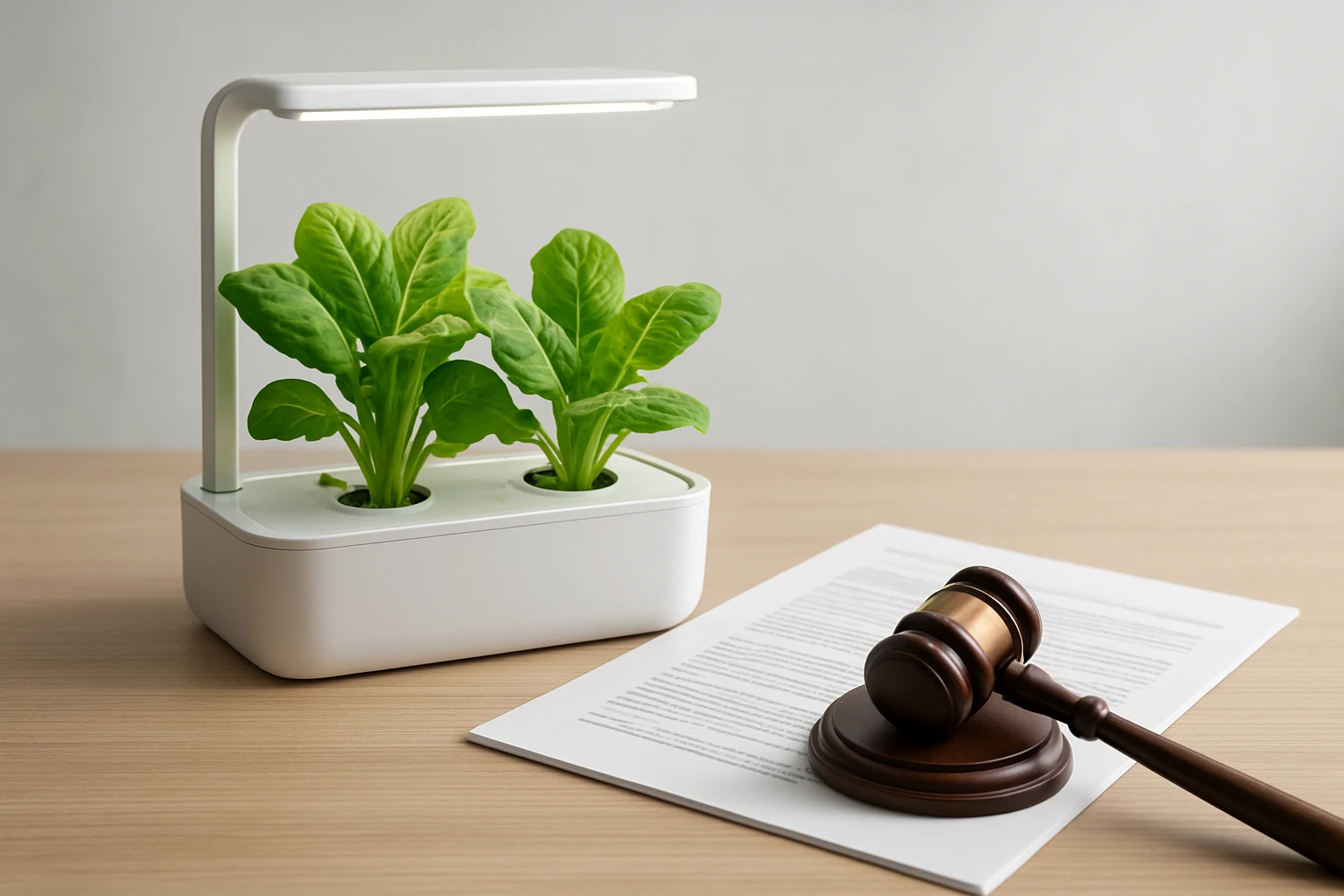
When the HOA permits a modest indoor garden, the design should minimize visual impact, noise, and utility consumption. A compact, countertop system that uses LED grow lights and a closed‑loop water reservoir is ideal. The design should also include safety features such as leak‑proof containers and surge‑protected power strips. For detailed guidance on selecting components that balance cost and performance, consult the DIY Hydroponic Gardens Book. The book offers step‑by‑step instructions, a budgeting worksheet, and troubleshooting tips, all of which are valuable for creating a compliant, efficient system.
Step 4: Prepare a Professional Presentation for the HOA
One should compile a concise packet that includes a one‑page summary, system schematics, a list of equipment, and an impact analysis. Highlight how the system respects the HOA’s rules by using low‑energy LEDs, waterproof containers, and noise‑dampening pads. Attach a copy of the relevant excerpts from the governing documents that support the request. Including a reference to the DIY Hydroponic Gardens Book demonstrates that the design is based on reputable, industry‑tested methods, which can increase the board’s confidence.
Step 5: Submit the Application and Follow Up
Deliver the application packet to the HOA management office in accordance with the submission guidelines (often via email or a physical drop‑box). Keep a copy of the submission receipt and note the date of the scheduled review meeting. After submission, follow up with a polite email confirming receipt and offering to answer any questions. Prompt communication shows respect for the board’s process and can expedite the approval timeline.
Step 6: Install the System After Approval
Once the board grants permission, one may begin installation. Follow the system layout outlined in the approved diagrams, and double‑check that all electrical connections comply with local code and HOA safety standards. Use a drip tray beneath the reservoir to prevent accidental leaks from reaching the floor or walls. The DIY Hydroponic Gardens Book provides a checklist for final inspection, ensuring that the installation meets both horticultural and community requirements.
Tips & Pro Tips
- Maintain a low profile: choose a neutral color for the grow cabinet to blend with existing décor.
- Document water usage and electricity consumption for the first month; presenting these figures can reassure the HOA that the system is sustainable.
- Consider a timer for lights and pumps to reduce noise during quiet hours.
- Invite a neighbor to view the setup before the final board meeting; peer endorsement can influence the decision positively.
Troubleshooting
If the HOA denies the request, request a written explanation and ask whether modifications to the design could make it acceptable. Common reasons for denial include perceived fire risk, excessive water use, or aesthetic concerns. Adjusting the system to use certified fire‑rated components, reducing the reservoir size, or adding a decorative cover can address these issues. Re‑submit the revised plan with a brief note outlining how the concerns have been mitigated.
Conclusion
One now possesses a clear, actionable framework for navigating HOA rules, securing approval, and installing an indoor hydroponic garden that complies with community standards. By reviewing governing documents, designing a low‑impact system, and presenting a professional application, the likelihood of acceptance increases dramatically. The process not only protects the homeowner from potential penalties but also fosters a collaborative relationship with the HOA. With the knowledge gained, one can enjoy fresh, home‑grown produce while maintaining harmony within the neighborhood.
Products Mentioned in This Guide
Frequently Asked Questions
Can I install an indoor hydroponic system in an HOA‑governed home?
Yes, if you obtain written approval from the HOA after confirming the system complies with the community’s architectural guidelines.
Which HOA documents should I review before starting my indoor garden?
Check the CC&Rs, bylaws, and any architectural or landscaping guidelines that detail restrictions on modifications and equipment.
How do I request permission from the HOA for a hydroponic setup?
Submit the HOA’s architectural modification form, include system specifications, and attach any required diagrams or photos.
What hydroponic equipment is typically allowed in HOA units?
Standard items like grow lights, a nutrient reservoir, pump, and compact growing medium are usually permissible, provided they don’t affect building safety or aesthetics.
What are common reasons an HOA might deny an indoor hydroponic request?
Denials often stem from concerns about electrical load, water leakage, visible equipment, or violations of aesthetic standards.