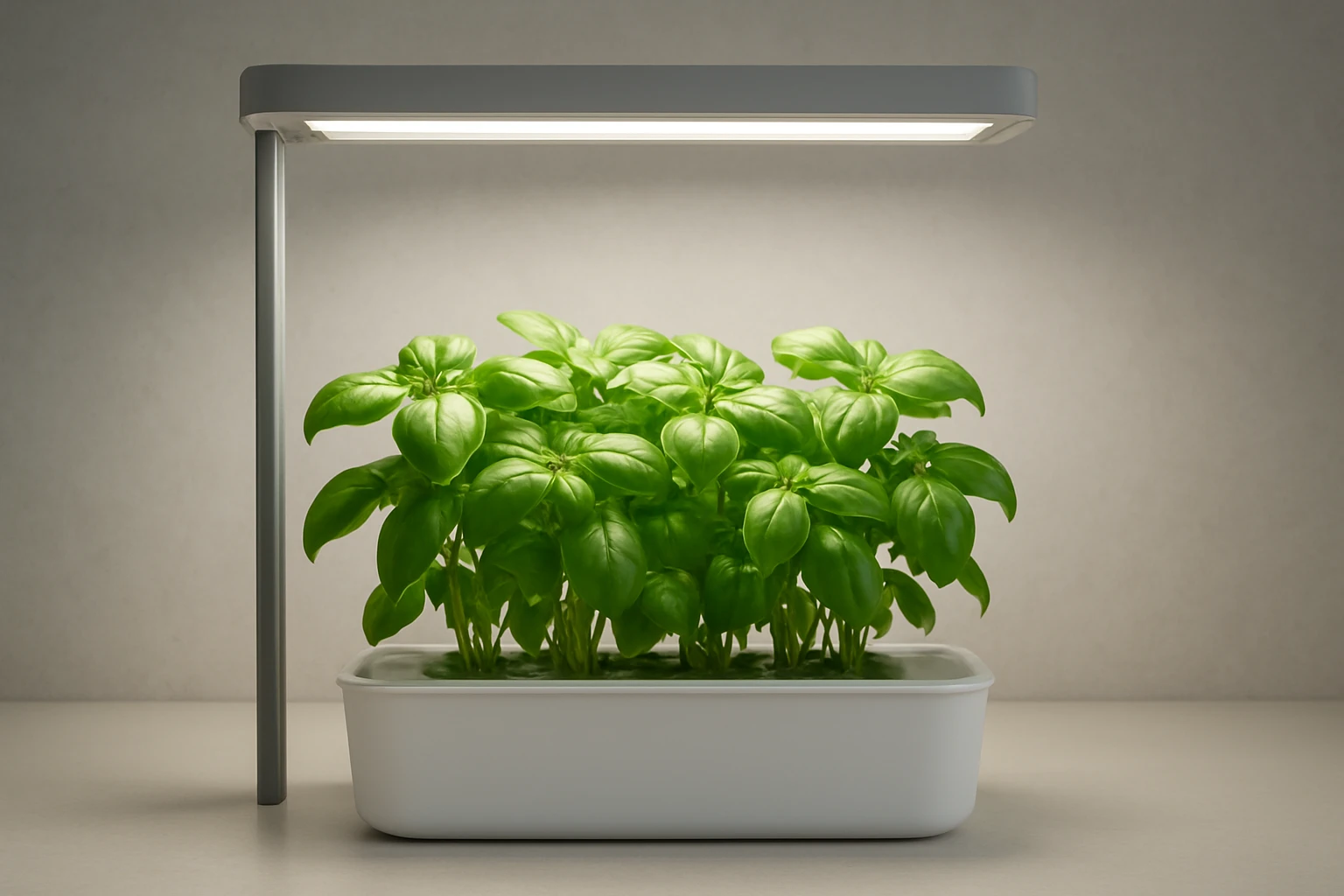
How to Set the Perfect Light Schedule for Hydroponic Basil: Optimal Hours, Light Types & Growth Tips
Introduction
Hydroponic basil thrives when it receives consistent, high‑quality light that mimics the natural sun. This guide will teach the reader how to determine the optimal photoperiod, select the appropriate light technology, and configure a reliable schedule that maximizes leaf production and essential oil content. By following the step‑by‑step instructions, one will be able to create a repeatable system that reduces guesswork and improves overall yield.
The information presented is based on scientific principles of photosynthesis, practical experience from commercial growers, and the specific features of a budget‑friendly full‑spectrum LED grow lamp. Understanding these concepts will empower the reader to troubleshoot issues before they become costly failures.
What You’ll Need
- A hydroponic grow tray or NFT channel suitable for basil
- pH and EC measuring tools
- High‑quality nutrient solution formulated for leafy herbs
- Ventilation fan to maintain air circulation
- bseah Indoor Plant Grow Light – full‑spectrum LED with timer and dimming functions
- Power strip with surge protection
Step 1: Understand Basil Light Requirements
Basil plants require a minimum of 12 to 14 hours of light per day to sustain vigorous vegetative growth. The photosynthetic photon flux density (PPFD) should fall between 200 and 400 µmol·m⁻²·s⁻¹ for optimal leaf development. Light that is too weak will result in elongated, weak stems, while excessive intensity can cause leaf burn and nutrient imbalance.
The ideal light spectrum for basil includes blue wavelengths (400‑500 nm) to promote compact growth and red wavelengths (600‑700 nm) to encourage rapid leaf expansion. Full‑spectrum LEDs combine these bands, delivering a balanced output that supports all stages of development without the need for multiple separate lamps.
Because hydroponic systems are often located indoors, the grower must replicate the natural photoperiod by using artificial lighting that can be precisely timed. Consistency is more important than occasional extensions; basil responds best to a regular schedule that does not vary by more than 15 minutes from day to day.
Step 2: Choose the Appropriate Light Type
For indoor basil cultivation, a full‑spectrum LED grow light is the most efficient and reliable choice. LEDs produce minimal heat, allowing the grower to place the lamp close to the canopy without risking thermal stress. They also consume less electricity than high‑pressure sodium or metal‑halide fixtures, which reduces operating costs.
The bseah Indoor Plant Grow Light offers a yellow‑and‑white LED array that covers the blue and red portions of the spectrum required for basil. Its ten dimmable levels enable the grower to fine‑tune the intensity as the plants mature, while the built‑in 3/9/12‑hour timer automates the photoperiod without additional hardware.
Key specifications that make this lamp suitable include a lifetime of up to 50,000 hours, a sturdy metal gooseneck for precise positioning, and a USB power input that can be paired with a standard power bank for backup power. At a price of $11.08 and a rating of 4.5 out of 5 stars from 8,562 reviews, it provides exceptional value for hobbyist growers.
Step 3: Install the Grow Light Securely
Begin by positioning the grow tray on a stable table or shelf that allows at least 12 inches of clearance between the lamp and the basil canopy. The metal gooseneck of the bseah lamp can be extended and locked into place, ensuring that the light remains steady even when the plant height increases.
Attach the lamp base to the edge of the shelf using the non‑slip mat that comes with the unit. If the shelf edge is uneven, zip‑tie the base to a nearby support rod for additional stability. Verify that the USB cable can reach the power source without creating a tripping hazard.
Once the lamp is mounted, turn it on at the lowest dimming level to confirm that the fixture operates correctly. Adjust the angle so that the light spreads evenly across the entire growing area, avoiding hot spots or shadows that could cause uneven growth.
Step 4: Configure the Timer and Dimming Settings
The bseah lamp includes a memory timer that can be set for 3, 9, or 12 hours. For basil, a 12‑hour photoperiod is recommended during the vegetative stage. Press the timer button, select the 12‑hour option, and confirm the setting. The lamp will now turn on automatically at the same time each day.
Set the dimming level to achieve a PPFD of approximately 300 µmol·m⁻²·s⁻¹ at canopy height. This can be measured with a handheld quantum sensor, but a practical approach is to start at dimming level 6 (mid‑range) and observe plant response. If the leaves appear pale or stretch toward the light, increase the intensity by one level. Conversely, if the leaves develop brown tips, reduce the intensity.
Record the chosen settings in a grow log. Consistent documentation allows the grower to replicate successful conditions in future cycles and provides a reference point for troubleshooting.
Step 5: Monitor Plant Response and Adjust Hours
After the first week of operation, inspect the basil for signs of healthy growth: dark green leaves, sturdy stems, and a pleasant aromatic profile. Measure the pH of the nutrient solution daily; basil prefers a range of 5.5 to 6.5. Adjust the nutrient concentration if leaf color becomes yellowish, which may indicate nitrogen deficiency.
If the plants reach a height that blocks lower leaves, raise the lamp by a few centimeters and reduce the dimming level to maintain the same PPFD. This adjustment prevents light burn while preserving the 12‑hour schedule.
During the flowering stage, which basil rarely enters unless allowed to bolt, the grower may reduce the photoperiod to 10 hours to discourage premature seed production. The timer on the bseah lamp can be reprogrammed to 9 hours for this purpose.
Step 6: Integrate Light Schedule with Nutrient Delivery
Synchronizing the light cycle with nutrient dosing improves uptake efficiency. Many growers deliver nutrients during the light period because photosynthesis drives active transport of minerals. Set the nutrient pump to operate for 15 minutes at the beginning of the light cycle and again midway through the photoperiod.
When the light turns off, the plant shifts to respiration mode, during which it consumes stored carbohydrates. Avoid feeding nutrients during the dark period to prevent leaching and waste.
By aligning the timer of the bseah lamp with the pump controller, the entire system can run autonomously, reducing manual intervention and the risk of human error.
Tips & Pro Tips
- Maintain a constant ambient temperature of 70‑75°F (21‑24°C) to complement the light schedule; extreme temperatures can negate the benefits of optimal lighting.
- Use reflective material (mylar or white paint) on the walls surrounding the grow area to increase light utilization efficiency by up to 20 percent.
- Rotate the basil trays every three days to ensure uniform exposure, especially when using a single lamp.
- Clean the LED surface monthly with a soft, dry cloth; dust accumulation reduces light output and can cause localized heating.
- Consider adding a low‑intensity blue light during the dark period to suppress excessive stretching without interfering with the main photoperiod.
Troubleshooting
| Problem | Possible Cause | Solution |
|---|---|---|
| Leaves turning yellow | Insufficient nitrogen or excessive light intensity | Increase nutrient concentration and lower dimming level by one step. |
| Leaf tip burn | Too close proximity to lamp or high dimming setting | Raise the lamp 5‑10 cm and reduce intensity. |
| Plants become leggy | Photoperiod shorter than 12 hours or light intensity too low | Extend timer to 12 hours and increase dimming level. |
| Stagnant growth after 3 weeks | Nutrient depletion or pH drift | Refresh nutrient solution and adjust pH to 6.0. |
Conclusion
By understanding the specific light requirements of hydroponic basil and employing a reliable full‑spectrum LED such as the bseah Indoor Plant Grow Light, one can establish a consistent 12‑hour photoperiod that promotes vigorous leaf production and aromatic quality. The steps outlined above guide the reader from selecting the appropriate lamp, through installation, timer configuration, and ongoing monitoring, to a fully integrated system that operates with minimal daily oversight. Implementing the tips and troubleshooting strategies will further refine the grow environment, ensuring that each basil harvest meets professional standards.
Readers are encouraged to apply these principles to other leafy herbs, adapting the photoperiod and intensity as needed. Consistency, observation, and incremental adjustment remain the cornerstones of successful indoor hydroponic cultivation.
Products Mentioned in This Guide
Frequently Asked Questions
What is the ideal photoperiod for hydroponic basil?
Basil grows best with 14‑16 hours of light per day and 8‑10 hours of darkness to promote healthy leaf development.
Which light type provides the best results for basil in a hydroponic system?
Full‑spectrum LED grow lights are preferred because they deliver balanced wavelengths and energy efficiency.
How does light intensity affect basil growth and essential oil production?
Higher light intensity (200‑400 µmol·m⁻²·s⁻¹) boosts leaf size and oil content, but avoid excessive heat that can stress the plants.
Can I use a timer to automate the basil light schedule?
Yes, a programmable timer ensures consistent on/off cycles, reducing guesswork and improving yield consistency.
What are common lighting problems and how can I troubleshoot them?
Symptoms like leggy growth indicate insufficient light duration, while bleaching suggests too much intensity; adjust photoperiod or distance from the LEDs accordingly.