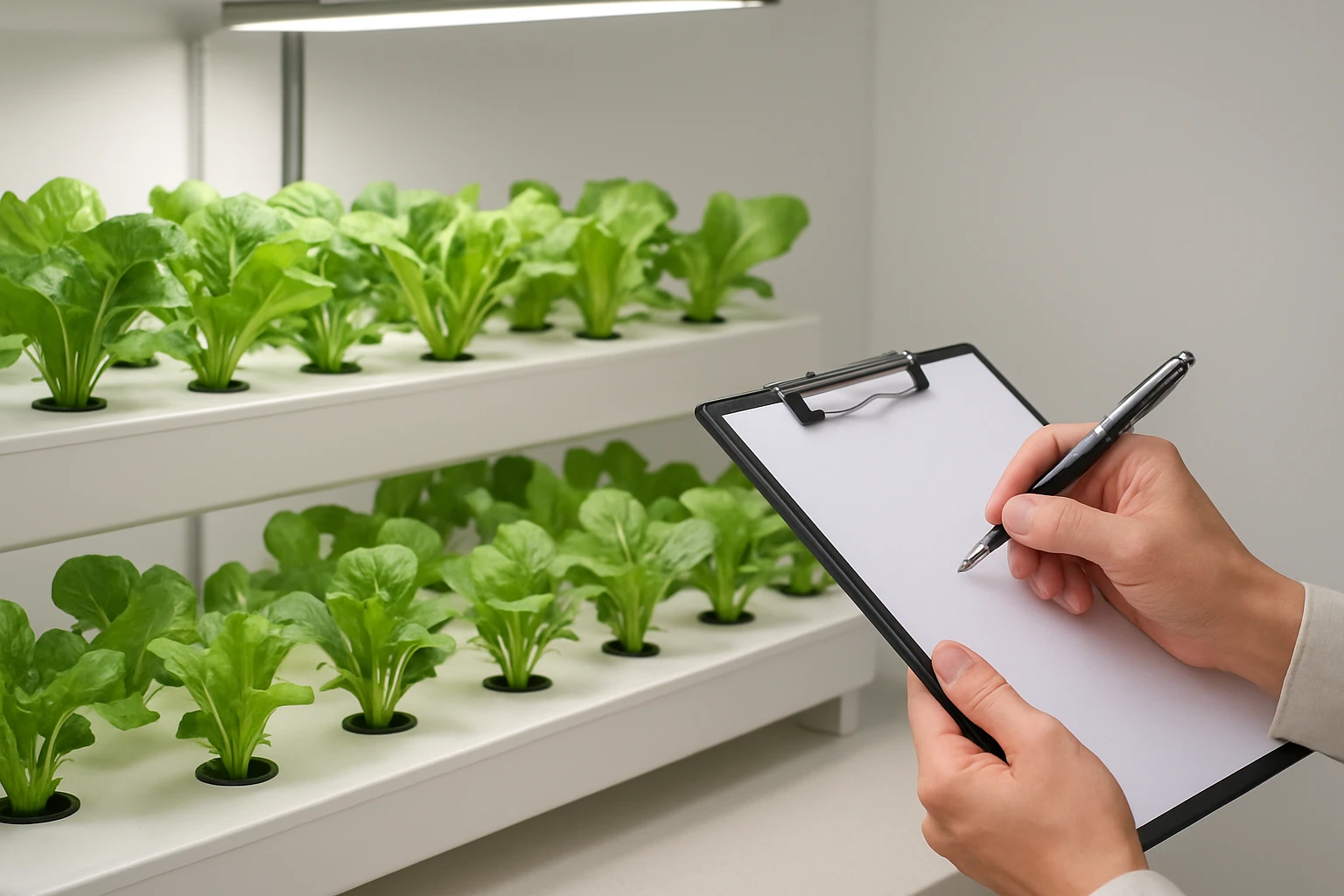
Introduction
This guide explains how to design a systematic maintenance schedule for indoor hydroponic gardens. Readers will learn which tasks must be performed each day, week, and month to keep plants healthy and productive. A well‑structured routine reduces the risk of nutrient deficiencies, disease, and equipment failure, thereby increasing harvest quality. The article also integrates practical product recommendations that simplify each maintenance phase without compromising results.
What You Will Need
- Indoor hydroponic grow system (e.g., Ahopegarden Indoor Hydroponics System)
- Compact herb garden kit for supplemental planting (e.g., URUQ Indoor Herb Garden Kit)
- Complete nutrient solution (e.g., Humboldt's Secret Base A & B Nutrients)
- Micro‑nutrient supplement for vegetative growth (e.g., General Hydroponics FloraMicro)
- pH meter, EC/TDS meter, clean water source, and basic cleaning supplies.
Step 1: Set Up Your Growing Environment
Begin by placing the hydroponic system on a stable, level surface near an electrical outlet and a source of fresh water. The Ahopegarden Indoor Hydroponics System includes a water reservoir, an adjustable LED grow light, and a circulation pump, making it a comprehensive starter unit. Its 10‑pod configuration allows simultaneous cultivation of herbs, leafy greens, and small fruiting plants. The system is priced at $56.99 and holds a rating of 4.6 out of 5 stars from over 3,000 reviewers, indicating reliable performance.
Adjust the light post to a height that matches the current plant size; the system’s light can be raised up to 14.5 inches. The built‑in timer operates on a 16‑hour on, 8‑hour off cycle, which mimics natural daylight and reduces the need for manual adjustments.
Connect the water pump and verify that the circulation loop is free of air bubbles. A clear water‑level window on the reservoir enables quick visual checks, ensuring the system never runs dry.
Step 2: Prepare the Nutrient Solution
For optimal growth, mix the two‑part formula of Humboldt's Secret Base A & B Nutrients. Measure equal volumes of Base A and Base B for each litre of water, then stir until fully dissolved. This product provides a full spectrum of macro‑ and micronutrients, including nitrogen, phosphorus, potassium, calcium, and magnesium. Priced at $39.97 with a 4.5‑star rating from more than 3,300 customers, it is regarded as both effective and economical.
After mixing, use a calibrated pH meter to adjust the solution to a pH range of 5.8–6.2, which is ideal for most leafy vegetables and herbs. Record the pH and EC (electrical conductivity) values in a maintenance log; consistent readings indicate stable nutrient availability.
If you are cultivating plants that require a higher phosphorus concentration during flowering, supplement the base mix with a small amount of bloom‑specific fertilizer, but keep the overall EC within the recommended range for your species.
Step 3: Daily Checklist
- Inspect Light Coverage: Ensure the LED panel is clean and free of dust. A dirty light reduces photosynthetic efficiency. Wipe the surface with a soft, dry cloth if necessary.
- Monitor Water Level: Verify that the reservoir water‑level window shows an adequate amount of water. Top up with fresh water if the level falls below the minimum mark.
- Check Temperature and Humidity: Maintain ambient temperature between 68°F and 78°F and relative humidity around 50‑70 %. Adjust a fan or humidifier as required.
- Observe Plant Health: Look for signs of nutrient deficiency (yellowing leaves) or disease (wilting, spots). Early detection prevents widespread issues.
These daily actions take only a few minutes but form the foundation of a thriving hydroponic garden.
Step 4: Weekly Checklist
- Refresh Nutrient Solution: Replace the entire reservoir solution every 7‑10 days to prevent nutrient lockout and microbial buildup. Use the same mixing ratio of Humboldt's Secret Base A & B.
- Trim and Prune: Remove dead or yellowing foliage to improve air circulation. For fruiting varieties, pinch back growth tips to encourage lateral branching.
- Clean Pump and Tubing: Disassemble the pump and rinse all tubing with warm water. This prevents clogging caused by algae or mineral deposits.
- Calibrate Sensors: Verify the accuracy of pH and EC meters against a known standard solution. Re‑calibrate if readings drift.
For growers who desire a secondary, smaller system for experimentation, the URUQ Indoor Herb Garden Kit offers an 8‑pod layout with a detachable 24‑watt LED light. Priced at $39.99 and rated 4.5 stars, it includes a quiet ceramic‑core water pump that operates every 30 minutes, providing oxygenated water while consuming minimal energy.
Step 5: Monthly Checklist
- Inspect Structural Components: Tighten any loose screws on the grow frame, light post, and reservoir lid. A secure structure prevents accidental spills.
- Deep Clean Reservoir: Empty the tank, scrub the interior with a mild, food‑grade detergent, and rinse thoroughly. This removes bio‑film that can harbor pathogens.
- Rotate Plants: Turn trays or pods 90 degrees to ensure uniform light exposure, especially if the light source is not perfectly centered.
- Evaluate Nutrient Regime: Review plant growth rates and adjust the concentration of Base A & B if plants exhibit rapid stretching or stunted growth.
- Supplement with Micro‑Nutrients: Add General Hydroponics FloraMicro at a rate of 2 mL per litre of water to provide trace elements that support robust root development. This product costs $17.99 and enjoys a 4.7‑star rating, making it a trusted choice for many growers.
By performing these monthly tasks, growers maintain a clean, efficient system that can support multiple harvest cycles throughout the year.
Tips & Pro Tips
- Use distilled or reverse‑osmosis water to prevent mineral buildup in the reservoir and nutrient lines.
- Label each pod with the plant variety and sowing date; this simplifies tracking growth stages.
- Implement a backup power source or battery‑operated timer for the LED light to avoid interruptions during power outages.
- Consider adding a small air stone to the reservoir; increased dissolved oxygen promotes vigorous root growth.
- When harvesting, rinse the roots briefly in fresh water to remove residual nutrient solution before re‑planting.
Troubleshooting
| Problem | Possible Cause | Solution |
|---|---|---|
| Yellowing leaves | Insufficient nitrogen or pH out of range | Increase Base A concentration; adjust pH to 5.8–6.2. |
| Root rot | Stagnant water or over‑watering | Increase pump cycle frequency; ensure proper drainage. |
| Algae growth on water surface | Excess light exposure | Cover reservoir with opaque lid; reduce ambient light. |
| Pump noise | Air bubbles in pump inlet | Prime pump by briefly submerging inlet and running until water flows steadily. |
Conclusion
Establishing a disciplined indoor hydroponic maintenance schedule ensures consistent plant health, higher yields, and reduced troubleshooting time. By following the daily, weekly, and monthly checklists outlined above, growers can enjoy fresh, pesticide‑free produce year‑round. The recommended tools—such as the Ahopegarden system, URUQ herb kit, Humboldt's Secret nutrients, and General Hydroponics FloraMicro—provide reliable performance and simplify each maintenance task, yet the schedule remains effective even without them.
Begin implementing the schedule today, record observations, and adjust as your garden evolves. A proactive approach will reward you with vigorous growth and abundant harvests.
Products Mentioned in This Guide
Frequently Asked Questions
How often should I check nutrient levels in an indoor hydroponic system?
Check the nutrient solution daily and adjust the EC/ppm at least once a week to maintain optimal concentrations.
What weekly tasks keep a hydroponic garden healthy?
Replace or top‑up the nutrient solution, clean the reservoir, inspect pumps and air stones, and prune any unhealthy foliage.
Which monthly maintenance prevents equipment failure?
Sanitize the entire system, replace worn hoses or filters, and calibrate pH and EC meters for accurate readings.
How can I simplify daily maintenance with product recommendations?
Use pre‑mixed nutrient packs and automatic pH controllers, which reduce manual measuring and ensure consistent dosing.
What signs indicate a nutrient deficiency in indoor hydroponics?
Yellowing leaves, stunted growth, or leaf curling signal deficiencies and should prompt a nutrient solution check.