Introduction
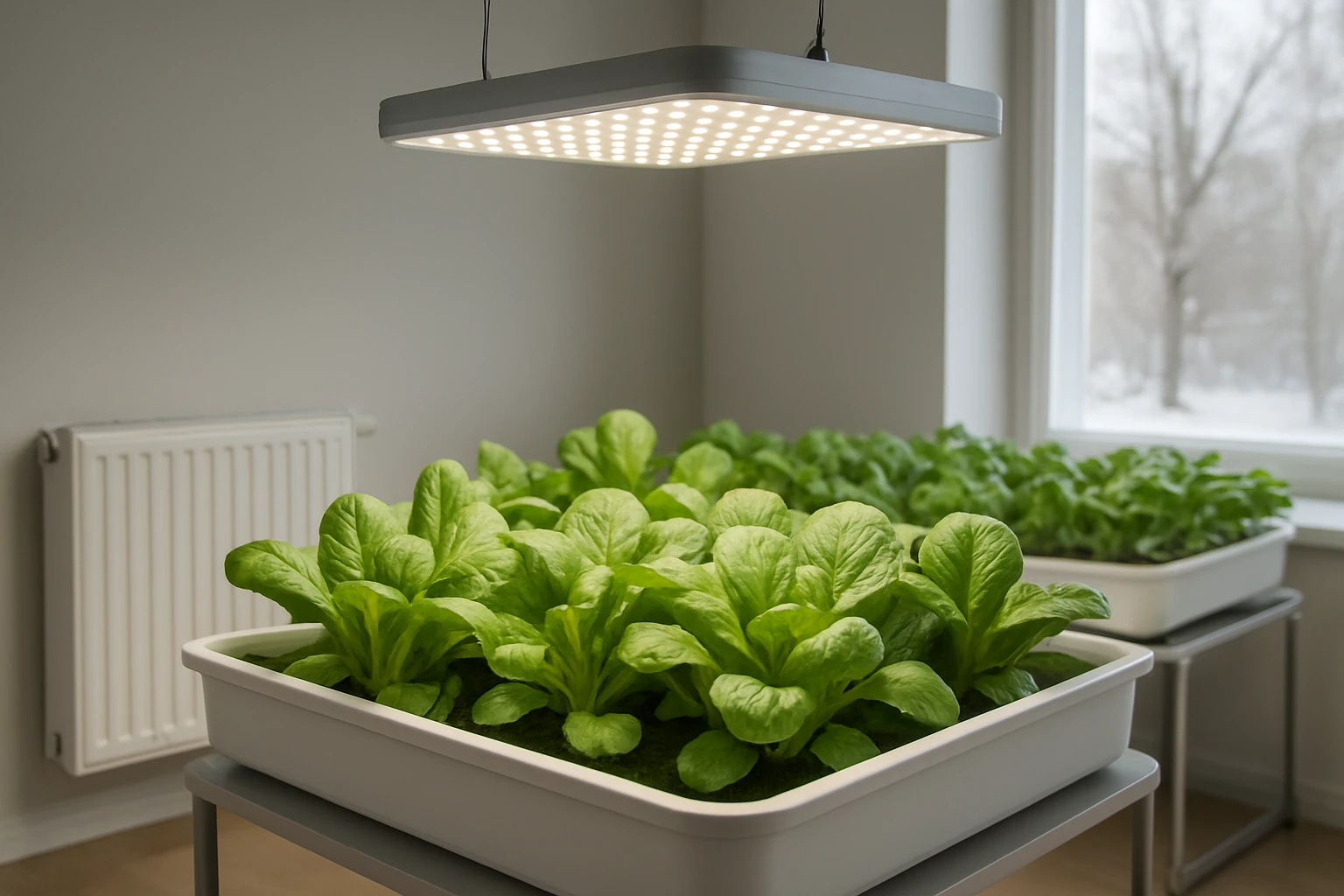
Winter presents a unique set of challenges for indoor hydroponic growers who must balance plant health with rising energy expenses. This guide explains how to lower electricity consumption while preserving or even improving yields. Readers will learn foundational concepts, practical strategies, and product recommendations that align with energy‑saving goals.
Each section provides actionable advice that can be implemented immediately, regardless of the size of the grow operation. By the end of the article, growers will possess a clear roadmap for creating an efficient, cost‑effective winter hydroponic system.
Background and Context
Hydroponics relies on water‑based nutrient delivery, artificial lighting, and climate control. During colder months, the demand for heating, lighting, and water circulation increases, leading to higher utility bills. Understanding the physics of heat loss, the photobiology of plants, and the energy profile of each component is essential for informed decision‑making.
Key variables include ambient temperature, humidity, light intensity, and pump duty cycle. When these variables are optimized, plants can grow faster while the system consumes less power. The following sections break down each variable and suggest ways to improve efficiency.
Energy‑Efficient Lighting Strategies
Lighting typically accounts for the largest portion of electricity usage in indoor hydroponics. Selecting a high‑efficiency LED fixture can reduce consumption by up to 50 % compared to traditional high‑pressure sodium lamps.
The VIPARSPECTRA P700 LED Grow Light delivers 11,000 lumens at only 70 W, providing a full spectrum that mimics natural sunlight. Its fanless aluminum heat sink ensures low operating temperature, extending lifespan and reducing cooling requirements. The four‑level dimmer allows growers to adjust output to match plant stage, further conserving energy.
When using the P700, position the fixture 16‑18 inches above seedlings for optimal photon capture. Reduce intensity during the vegetative phase and increase only for flowering, thereby avoiding unnecessary power draw.
Insulation and Temperature Management
Heat loss through walls, doors, and windows can increase heating loads dramatically. Simple insulation measures such as reflective blankets, draft excluders, and sealed containers can retain warm air around the root zone.
Pairing insulation with a modest water heater set to 68 °F maintains root temperature without over‑taxing the system. Because the water tank in the URUQ 8‑Pod Indoor Hydroponic Garden is transparent, growers can monitor temperature visually and add heated water only when necessary.
Additionally, using a programmable thermostat to regulate ambient temperature prevents the heater from running continuously, which translates into measurable cost savings.
Optimizing Water Pump Operation
Pumps circulate nutrient solution and provide oxygen to the root zone. Selecting a pump with a ceramic core, such as the one integrated into the URUQ system, reduces noise and energy consumption to less than 20 dB while delivering consistent flow.
The pump operates on a 30‑minute interval, which is sufficient for most leafy greens. Adjusting the interval to 20‑25 minutes during colder periods can improve root oxygenation without a substantial increase in power usage.
Regular maintenance, including cleaning the pump housing and checking for air bubbles, ensures the motor runs at peak efficiency throughout the winter season.
Smart Monitoring and Automation
Real‑time monitoring of temperature, humidity, and water level enables growers to respond quickly to deviations that could increase energy use. The Ahopegarden 10‑Pod Hydroponic Garden features an LCD screen that displays temperature and humidity, as well as a low‑water alarm that prevents unnecessary pump cycles.
Integrating the system with a smart plug allows remote on/off scheduling, ensuring lights and pumps run only when required. Automation also reduces the likelihood of human error, such as leaving lights on for excessive hours.
When combined with a timer that matches the photoperiod (e.g., 16 hours on, 8 hours off), growers can achieve a stable energy profile that aligns with utility rate structures.
Comparison and Selection Guide
| Feature | URUQ 8‑Pod Indoor Hydroponic Garden | Ahopegarden 10‑Pod Hydroponic Garden | VIPARSPECTRA P700 LED Grow Light |
|---|---|---|---|
| Price | $35.99 | $49.98 | $39.98 |
| Rating (reviews) | 4.5 / 5 (453) | 4.6 / 5 (153) | 4.7 / 5 (5,158) |
| LED Power | 24 W (adjustable panel) | 24 W (full‑spectrum panel) | 70 W (full spectrum) |
| Water Tank Capacity | 3 L with level window | 3 L with visual window | N/A |
| Smart Features | Quiet pump, timer, height‑adjustable light | LCD temperature/humidity, low‑water alarm, quick‑release light | 4‑level dimmer, fanless heat sink |
| Best For | Beginner growers seeking compact, quiet operation | Intermediate growers needing data feedback and larger pod count | Growers focused on high‑intensity lighting efficiency |
When selecting equipment, consider the size of the growing area, the desired crop variety, and the budget for energy‑saving upgrades. The URUQ system excels in simplicity and low noise, making it ideal for kitchen countertops. The Ahopegarden model offers more pods and real‑time monitoring, suitable for small indoor farms. The VIPARSPECTRA light provides the most powerful illumination for dense foliage or fruiting plants while maintaining low power draw.
Best Practices & Tips
- Seal all gaps around the grow chamber to prevent heat loss; use weather‑stripping tape on doors and windows.
- Schedule lighting during off‑peak utility hours whenever possible to take advantage of lower rates.
- Utilize reflective Mylar or white paint on interior surfaces to maximize light utilization and reduce the need for higher wattage.
- Maintain water temperature between 65‑70 °F; warmer water accelerates nutrient uptake but also increases heating demand.
- Periodically clean LED lenses and pump filters to sustain optimal efficiency.
- Implement a staggered planting schedule to avoid simultaneous high‑energy demand across multiple trays.
Frequently Asked Questions
- How can I reduce lighting costs without sacrificing yield?
- Choose a high‑efficiency LED fixture such as the VIPARSPECTRA P700, dim it to the minimum level required for each growth stage, and run it during off‑peak hours.
- Is it necessary to heat the water tank in winter?
- Maintaining water temperature around 68 °F is advisable for most leafy greens. Insulating the tank and using a low‑wattage immersion heater can achieve this with minimal energy use.
- Can I run the hydroponic system on a timer alone?
- While a timer controls light cycles, additional monitoring of temperature and water level—provided by the Ahopegarden 10‑Pod Hydroponic Garden—prevents conditions that could cause the pump to run excessively.
- What is the most energy‑efficient pump option?
- The ceramic‑core pump in the URUQ system operates at less than 20 dB and consumes very little power, making it one of the most efficient choices for small‑scale indoor gardens.
- Should I invest in a separate thermostat for my grow room?
- Yes, a dedicated thermostat allows precise control of ambient temperature, reducing unnecessary heater runtime and stabilizing plant growth.
- How often should I replace LED grow lights?
- High‑quality LEDs, such as those in the VIPARSPECTRA P700, typically retain full output for 50,000 hours, which translates to several years of winter operation before noticeable dimming occurs.
Conclusion
Winter indoor hydroponics does not have to be synonymous with soaring energy bills. By applying insulation techniques, selecting efficient lighting, optimizing pump cycles, and leveraging smart monitoring, growers can achieve substantial cost reductions while maintaining robust yields. The products highlighted in this guide exemplify the balance between performance and energy efficiency, empowering growers to make informed purchasing decisions.
Implement the strategies outlined above, monitor results, and adjust parameters as the season progresses. Consistent attention to detail will ensure that winter gardening remains both productive and financially sustainable.
Products Featured in This Guide
URUQ 8‑Pod Indoor Hydroponic Garden
Price: $35.99 | Rating: 4.5/5 (453 reviews)
Featured for its quiet ceramic‑core pump, adjustable 24‑W LED panel, and compact 3 L water tank that together provide a low‑energy, beginner‑friendly hydroponic solution.
Ahopegarden 10‑Pod Hydroponic Garden
Price: $49.98 | Rating: 4.6/5 (153 reviews)
Featured for its LCD environmental monitor, low‑water alarm, and quick‑release light design, which together enable precise control and energy savings for intermediate growers.
VIPARSPECTRA P700 LED Grow Light
Price: $39.98 | Rating: 4.7/5 (5,158 reviews)
Featured for delivering 11,000 lumens at only 70 W, a full spectrum that mimics sunlight, and a four‑level dimmer, making it an energy‑efficient lighting choice for high‑yield winter hydroponics.