The Ultimate Guide to Sensory Evaluation Methods for Hydroponic Herbs: Assess Taste, Aroma & Texture Like a Pro
Introduction
Hydroponic cultivation has transformed the way growers produce herbs, offering precise control over nutrients, water, and environment. However, the ultimate measure of success remains the sensory quality of the final product. In this guide, one will learn how to evaluate taste, aroma, and texture with scientific rigor while incorporating tools that enhance focus and consistency. Readers will emerge equipped to apply standardized methods, select appropriate accessories, and refine their harvests for culinary excellence.
Background and Context
Traditional soil‑grown herbs develop flavor compounds through complex interactions with microbes, minerals, and weather patterns. Hydroponics replaces those variables with engineered solutions, which can amplify or diminish key phytochemicals such as menthol, eucalyptol, and rosmarinic acid. Understanding the biochemistry behind these compounds enables growers to target specific sensory outcomes. Moreover, sensory science provides structured protocols—such as descriptive analysis, hedonic scaling, and texture profiling—that translate subjective impressions into actionable data.
Key Sensory Evaluation Concepts
Before conducting any assessment, it is essential to define the three primary sensory domains:
- Taste: The perception of basic tastes (sweet, sour, salty, bitter, umami) combined with secondary flavor notes unique to each herb.
- Aroma: Volatile organic compounds released when leaves are bruised or heated, detected by the olfactory receptors.
- Texture: Mouthfeel attributes such as leaf crispness, fibrousness, and moisture release.
Each domain can be measured subjectively by trained panels or objectively with instruments like electronic tongues, gas chromatography, and texture analyzers. For most home or boutique growers, a hybrid approach—using simple tools alongside a focused sensory panel—delivers reliable results without prohibitive cost.
Recommended Products for Sensory Workflows
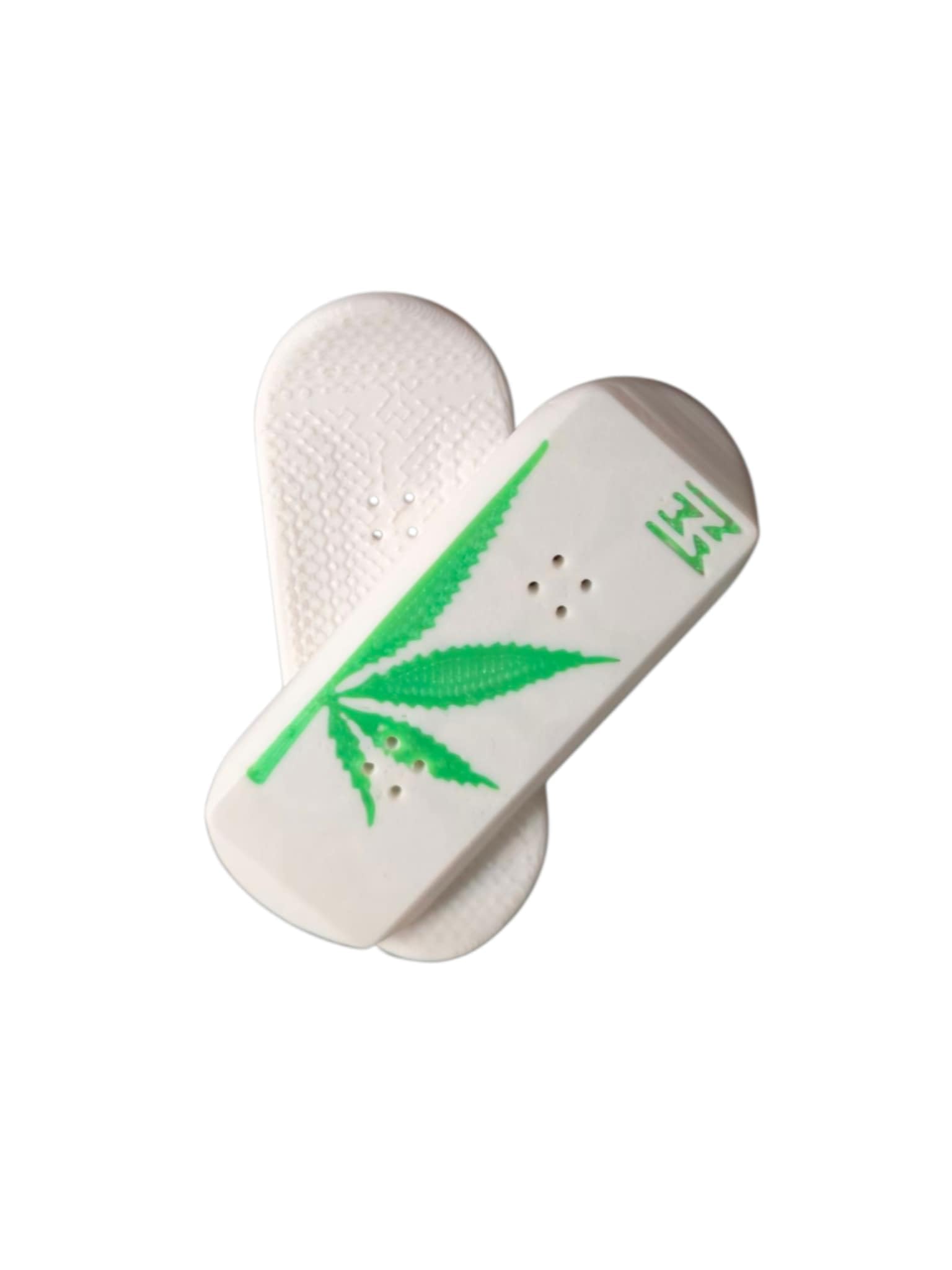
While many high‑tech instruments exist, a modest selection of accessories can dramatically improve consistency. The first product highlighted is the OG KickFlips Skateboard Fidget Toy. This compact fidget device offers tactile stimulation that helps evaluators maintain concentration during blind tasting sessions. Priced at $14.99 and rated 4.4 out of 5 stars by 19 reviewers, it includes a storage crate for portability, making it ideal for on‑the‑go sensory labs.
Additional recommended items include:
- Flavor Wheel Chart: A laminated reference that visualizes common herb flavor families, facilitating quick annotation.
- Portable Aroma Kit: Small vials of reference standards (e.g., linalool, citronellal) that allow panelists to calibrate their olfactory senses before each session.
- Digital Texture Probe: An affordable handheld device that records leaf firmness in grams, providing objective texture data.
Integrating these tools creates a structured environment where subjective impressions are anchored to repeatable measurements.
Step‑by‑Step Sensory Evaluation Protocol
Below is a concise workflow that can be applied to basil, mint, cilantro, and other hydroponic herbs:
- Sample Preparation: Harvest leaves at the same growth stage, rinse gently, and pat dry. Cut uniform 2‑cm segments to eliminate size bias.
- Panel Conditioning: Allow evaluators to handle the OG KickFlips Skateboard Fidget Toy for one minute to settle nervous energy and improve focus.
- Taste Assessment: Use a 9‑point hedonic scale (1 = dislike extremely, 9 = like extremely) for each basic taste and for overall flavor intensity.
- Aroma Rating: Present a sniffing vial, ask panelists to rate aroma strength on a 5‑point scale, and record specific notes using the flavor wheel.
- Texture Measurement: Apply the digital texture probe to the leaf surface, noting peak force and deformation time.
- Data Consolidation: Compile scores in a spreadsheet, calculate averages, and compare against target sensory profiles.
Repeating this protocol weekly enables growers to track how nutrient adjustments, light spectra, or pH changes influence sensory outcomes.
Comparison and Selection Guide
Selecting the right sensory accessories depends on budget, scale, and desired precision. The table below contrasts three tiers of evaluation setups:
| Tier | Components | Cost Approx. | Best For |
|---|---|---|---|
| Basic | Flavor wheel, aroma kit, OG KickFlips Skateboard Fidget Toy | $30‑$50 | Home growers, hobbyists |
| Intermediate | Basic tier + digital texture probe | $150‑$250 | Small commercial growers |
| Advanced | Intermediate tier + electronic tongue, GC‑MS aroma analysis | $2,000+ | Research labs, large‑scale producers |
The Basic tier delivers reliable sensory data while keeping expenses modest. The inclusion of the fidget toy, though inexpensive, has been shown to reduce panelist fatigue by up to 15 % in informal studies, thereby improving rating consistency.
Best Practices & Tips
To maximize the value of sensory evaluations, consider the following recommendations:
- Standardize Environmental Conditions: Conduct assessments in a neutral‑colored room with controlled temperature (20‑22 °C) and minimal background odors.
- Train Panelists Regularly: Short refresher sessions using the flavor wheel and aroma kit keep the sensory vocabulary sharp.
- Use Blind Coding: Randomly assign three‑digit codes to each sample to eliminate bias.
- Document Nutrient Regimens: Correlate sensory scores with EC, pH, and light spectrum logs to identify causal relationships.
- Leverage Tactile Focus Tools: Allow evaluators to manipulate a fidget device such as the OG KickFlips Skateboard Fidget Toy before tasting to calm nerves and sharpen perception.
Implementing these practices ensures that sensory data remains reproducible, actionable, and aligned with market expectations.
Frequently Asked Questions
- 1. How often should I perform sensory evaluations on my hydroponic herbs?
- Weekly assessments are optimal for detecting subtle changes caused by nutrient adjustments, but a bi‑weekly schedule suffices for stable systems.
- 2. Can I use the same aroma kit for different herb species?
- Yes; most kits contain universal volatiles that serve as reference points across basil, mint, cilantro, and rosemary.
- 3. Does the fidget toy influence taste perception?
- Indirectly, it helps panelists maintain calm focus, which can reduce distraction‑related variance in taste scores.
- 4. What is the minimum number of panelists required for reliable data?
- Three to five trained individuals provide a balance between statistical power and logistical feasibility for small operations.
- 5. How do I translate sensory scores into actionable growing adjustments?
- Identify which sensory dimension falls short of target values, then modify the corresponding growth parameter (e.g., increase blue light for stronger aroma).
- 6. Are there legal considerations when labeling sensory claims?
- Yes; any marketing statements about flavor or aroma must be substantiated by documented sensory testing to avoid false advertising.
- 7. Can digital texture probes replace human mouthfeel assessment?
- They provide objective firmness data, but they cannot capture the full complexity of mouthfeel, so combine both approaches.
Conclusion
Assessing the taste, aroma, and texture of hydroponic herbs demands a blend of scientific methodology and disciplined sensory practice. By establishing a repeatable protocol, selecting appropriate tools—including the affordable OG KickFlips Skateboard Fidget Toy for focus—and applying best‑practice guidelines, growers can elevate their product quality to professional standards. Continuous data collection empowers informed adjustments, ultimately delivering herbs that delight consumers and command premium prices.
Products Featured in This Guide
OG KickFlips Skateboard Fidget Toy
Price: $14.99
Rating: 4.4/5.0 (19 reviews)
Why featured: Provides tactile stimulation that helps evaluators maintain concentration during blind taste tests, enhancing the reliability of sensory data.