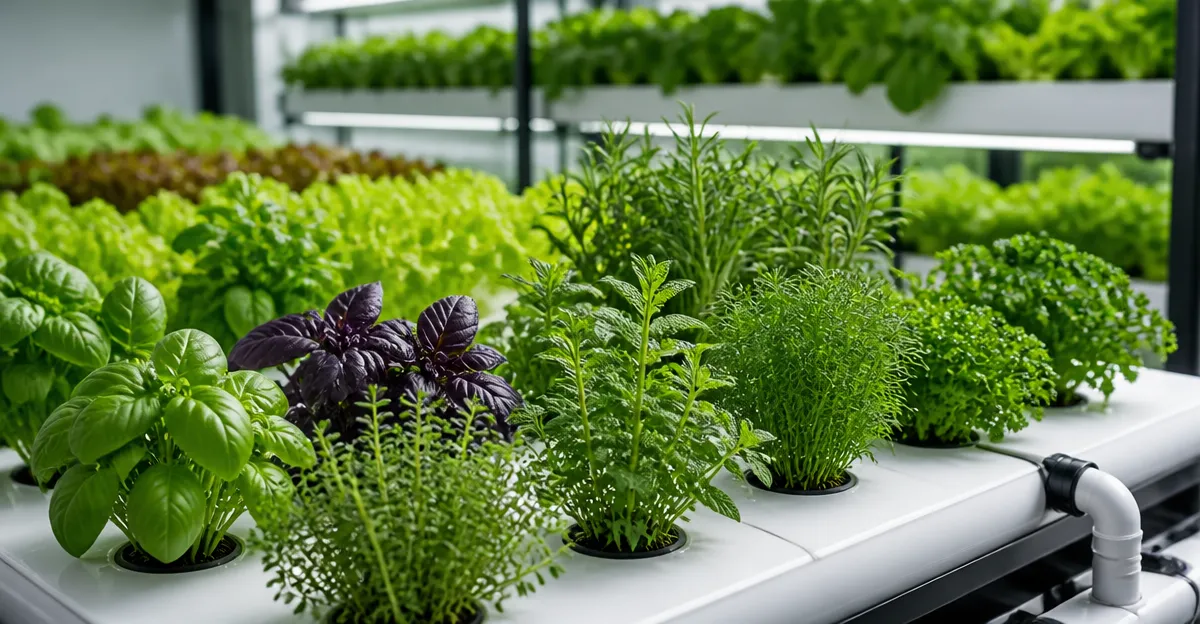
Intercropping Herbs in Hydroponics: The Ultimate Guide to Pairing, Layouts, and Maximizing Yield
Introduction
Intercropping herbs in hydroponics combines the efficiency of soil‑free cultivation with the biodiversity benefits of mixed planting. This guide explains the principles of herb intercropping, outlines practical layout designs, and recommends equipment that enhances performance. Readers will learn how to select compatible herbs, configure lighting and water delivery, and troubleshoot common issues. By the end of the article, one will be equipped to create a thriving, high‑yield hydroponic herb garden.
Background and Context
Hydroponics is a method of growing plants without soil, using a nutrient‑rich water solution that delivers essential minerals directly to the roots. The technique reduces water consumption, eliminates many soil‑borne pests, and allows precise control over environmental variables such as pH, temperature, and light intensity. Intercropping, the practice of growing two or more species together, exploits complementary growth habits and resource use, leading to higher overall productivity and reduced disease pressure.
When herbs are intercropped, fast‑growing varieties such as basil can provide shade for slower‑growing plants like cilantro, while differing root structures minimize competition for oxygen and nutrients. Successful intercropping requires an understanding of each herb's light, water, and nutrient preferences, as well as a system that can accommodate variable heights and growth rates.
Modern countertop hydroponic kits make it possible for hobbyists and small‑scale growers to implement intercropping without a dedicated greenhouse. The following sections examine key concepts, present layout strategies, and integrate specific products that simplify the process.
Key Concepts and Strategies for Herb Intercropping
1. Compatibility Matrix
Before planting, evaluate the compatibility of chosen herbs based on three criteria: light spectrum preference, water demand, and growth habit. Herbs that share a similar light requirement but differ in root depth tend to coexist harmoniously. For example, basil thrives under blue‑rich light and prefers a consistently moist root zone, whereas thyme tolerates slightly drier conditions and benefits from red‑rich light that encourages flowering.
Creating a simple matrix helps visualize pairings. Place herbs with high nutrient uptake (e.g., mint) opposite those with modest needs (e.g., chives). This balance reduces the risk of nutrient depletion and encourages steady growth across the entire system.
2. Light Management
Full‑spectrum LED grow lights simulate natural sunlight and provide the wavelengths necessary for photosynthesis. Many hydroponic kits include adjustable light posts that allow growers to raise or lower the light as plants mature. Selecting a system with a programmable timer ensures a consistent photoperiod, typically 16 hours of light followed by 8 hours of darkness.
When intercropping, position taller herbs directly beneath the light source and place lower‑growing varieties on the periphery. This arrangement prevents shading and maximizes light distribution.
3. Water Circulation and Oxygenation
Hydroponic systems rely on a circulating water pump to deliver nutrients and oxygen to the root zone. A quiet pump that cycles every 30 minutes, such as the one found in the URUQ 8-Pod Hydroponic Garden, reduces energy consumption while maintaining healthy root development. The inclusion of a water‑level window allows growers to monitor reservoir volume without interrupting the system.
Herbs with vigorous root systems, such as mint, benefit from higher oxygen levels, whereas more delicate herbs like basil can tolerate slightly lower dissolved oxygen. Adjusting pump speed or adding an air stone can fine‑tune oxygenation for mixed plantings.
4. Nutrient Formulation
All herbs require a balanced macro‑nutrient ratio (N‑P‑K) of approximately 20‑20‑20 during the vegetative stage. However, flowering herbs such as oregano may need increased phosphorus later in the cycle. Using a pre‑mixed hydroponic fertilizer simplifies dosing; many kits include a starter pack of nutrients calibrated for a 3‑liter reservoir.
When intercropping, monitor EC (electrical conductivity) levels weekly. A reading between 1.2 and 1.8 mS/cm indicates adequate nutrient concentration for most culinary herbs.
Product Recommendations Integrated with Intercropping Strategies
Ahopegarden 10‑Pod Hydroponic Garden
The Ahopegarden 10‑Pod Hydroponic Garden offers a compact reservoir, adjustable 14.5‑inch light post, and dual light modes (blue for vegetables, red for fruit). Its ten‑pod configuration provides ample space for mixed herb planting, allowing growers to assign each pod to a specific herb based on compatibility. The built‑in water‑level window simplifies monitoring, and the 4.6‑star rating from over three thousand reviews attests to reliability.
Because the system includes a timer that operates 16 hours on and 8 hours off, users can maintain a consistent photoperiod across all pods. This feature is particularly useful when intercropping herbs with differing light preferences, as the blue mode supports leafy herbs while the red mode can be switched for flowering varieties.
inbloom 7‑Pod Herb Seed Kit
The inbloom 7‑Pod Herb Seed Kit supplies over 350 organic, non‑GMO seeds, including basil, parsley, mint, cilantro, savory, thyme, and oregano. Each seed packet is paired with a reusable ABS grow basket and a peat‑based sponge that retains moisture while providing aeration. The kit’s wide compatibility with systems such as Ahopegarden, URUQ, and AeroGarden makes it a versatile choice for intercropping experiments.
Growers can allocate one pod per herb, then adjust spacing based on mature plant height. The inclusion of plant food and labels streamlines setup, allowing more time to focus on layout optimization.
URUQ 8‑Pod Hydroponic Garden
The URUQ 8‑Pod Hydroponic Garden features a 24‑watt full‑spectrum LED that can be tilted up to 180°, providing flexible light direction for mixed‑height plantings. Its quiet pump (less than 20 dB) circulates water every 30 minutes, which is ideal for herbs that demand high oxygen levels. The detachable light pole simplifies cleaning and reduces the risk of electrical faults.
With a 3‑liter water tank and a clear viewing window, growers can observe root development and adjust nutrient concentration as needed. The system’s 4.5‑star rating from six hundred forty reviews highlights its durability and user‑friendly design.
Sereniseed Organic Herb Seeds 10‑Pack
The Sereniseed Organic Herb Seeds 10‑Pack offers heirloom varieties such as Thai basil, English lavender, and broadleaf sage. Certified organic and non‑GMO, the seeds come with a germination guarantee and access to step‑by‑step video guides. This kit is well suited for growers who prefer a curated selection of premium herbs for intercropping alongside a hydroponic system.
Because the pack includes both leafy and flowering herbs, it demonstrates the principle of pairing fast‑growing and slower‑maturing species within the same reservoir.
Sweet Yards Organic Herb Seeds Pack
The Sweet Yards Organic Herb Seeds Pack provides ten individual packets, each sealed in a reusable zipper pouch. The seeds are marketed for the 2026 season, ensuring freshness and high germination rates. With a 4.4‑star rating from over one thousand reviews, the pack is a reliable source of culinary herbs for intercropping trials.
Its diverse selection, including chives, oregano, and lavender, enables growers to experiment with aromatic combinations that enhance flavor profiles in culinary applications.
Comparison and Selection Guide
| Feature | Ahopegarden 10‑Pod | inbloom Seed Kit | URUQ 8‑Pod | Sereniseed Seeds | Sweet Yards Seeds |
|---|---|---|---|---|---|
| Number of Growing Pods | 10 | 7 (seed pods) | 8 | 0 (seed only) | 0 (seed only) |
| LED Light Adjustability | Height‑adjustable, 16/8 timer | Not applicable | Tilt 180°, height‑adjustable | Not applicable | Not applicable |
| Pump Noise Level | Standard quiet pump | Not applicable | Less than 20 dB | Not applicable | Not applicable |
| Compatibility | Standalone system | Works with most hydroponic kits | Works with most hydroponic kits | Compatible with any hydroponic system | Compatible with any hydroponic system |
| Price (USD) | 59.99 | 18.99 | 34.16 | 8.09 | 8.99 |
| Average Rating | 4.6/5 | 4.2/5 | 4.5/5 | 4.4/5 | 4.4/5 |
For growers seeking an all‑in‑one solution, the Ahopegarden system provides the most pods and integrated lighting. Those who already own a hydroponic unit but need high‑quality seeds should consider the inbloom kit or the Sereniseed pack, depending on whether organic certification is a priority. The URUQ system offers superior light angle control and an ultra‑quiet pump, making it ideal for kitchen environments where noise matters.
Best Practices & Tips for Maximizing Yield
- Start with a nutrient solution calibrated to a pH of 5.8‑6.2; adjust weekly to maintain stability.
- Use the water‑level window or a transparent reservoir to refill before the pump runs dry, preventing root stress.
- Group herbs by height: place basil, mint, or oregano in the central pods, and position dwarf varieties such as thyme or chives on the outer edges.
- Rotate the light source periodically to ensure even exposure; most systems allow the LED head to be swiveled or raised.
- Implement a 16‑hour photoperiod during vegetative growth, then switch to a 12‑hour cycle for flowering herbs like oregano to encourage seed production.
- Monitor EC levels weekly; if values exceed 2.0 mS/cm, dilute the solution to avoid nutrient burn.
- Prune overly long roots that begin to entangle neighboring pods; this maintains airflow and reduces the risk of disease spread.
Frequently Asked Questions
1. Can I grow both leafy and flowering herbs in the same hydroponic system?
Yes, provided that the lighting schedule is adjusted to accommodate both growth stages. Use a blue‑rich mode for leafy herbs and switch to a red‑rich mode or a 12‑hour photoperiod for flowering varieties.
2. How often should I change the nutrient solution?
Replace the solution every two to three weeks, or sooner if EC readings rise sharply. Regular flushing prevents salt buildup and maintains optimal root health.
3. Do hydroponic systems require special herb seeds?
Seeds designed for hydroponics often have higher germination rates and may be pre‑treated for rapid sprouting. However, certified organic seeds such as those from Sereniseed or Sweet Yards perform well when placed in a moist peat sponge.
4. What is the ideal temperature range for indoor herb hydroponics?
Maintain ambient temperatures between 68°F and 78°F (20°C‑26°C). Extreme heat can accelerate nutrient uptake and cause leaf burn, while low temperatures slow growth.
5. How can I prevent algae growth in the reservoir?
pCover the reservoir with an opaque lid, limit ambient light exposure, and change the water regularly. The quiet pump in the URUQ system circulates water frequently, reducing stagnant zones where algae can develop.
6. Is it necessary to add supplemental CO₂?
In small countertop systems, ambient CO₂ levels are usually sufficient. For larger setups, a modest CO₂ supplement can increase growth rates, but it is not required for most home growers.
7. How do I harvest herbs without damaging the system?
Harvest leaves using clean scissors, cutting just above a node to encourage new growth. Avoid pulling whole stems, as this can disturb the root pods and reduce water circulation.
Conclusion
Intercropping herbs in hydroponics merges scientific precision with culinary creativity. By understanding compatibility, managing light and water, and selecting appropriate seeds and equipment, growers can achieve higher yields, richer flavors, and a more resilient garden. The products highlighted in this guide—ranging from the versatile Ahopegarden 10‑Pod system to premium organic seed packs—provide reliable tools for both beginners and seasoned horticulturists. Implement the best‑practice tips, monitor environmental parameters, and enjoy a continuous harvest of fresh herbs throughout the year.
Products Featured in This Guide
Ahopegarden 10‑Pod Hydroponic Garden
Price: $59.99 | Rating: 4.6/5 (3,265 reviews)
Featured for its ten‑pod capacity, adjustable full‑spectrum LED, and built‑in water‑level window, making it ideal for mixed‑herb intercropping.
inbloom 7‑Pod Herb Seed Kit
Price: $18.99 | Rating: 4.2/5 (100 reviews)
Featured because it supplies over 350 organic, non‑GMO seeds and includes reusable grow baskets, making it a comprehensive starter kit for intercropping.
URUQ 8‑Pod Hydroponic Garden
Price: $34.16 | Rating: 4.5/5 (640 reviews)
Featured for its ultra‑quiet pump, 24‑watt adjustable LED, and clear water‑level window, which together support diverse herb pairings.
Sereniseed Organic Herb Seeds 10‑Pack
Price: $8.09 | Rating: 4.4/5 (7,499 reviews)
Featured for its certified organic, non‑GMO heirloom varieties and germination guarantee, providing premium seed quality for intercropping experiments.
Sweet Yards Organic Herb Seeds Pack
Price: $8.99 | Rating: 4.4/5 (1,132 reviews)
Featured for its fresh 2026‑season seeds, diverse herb selection, and guarantee of germination, making it a reliable choice for new intercropping projects.