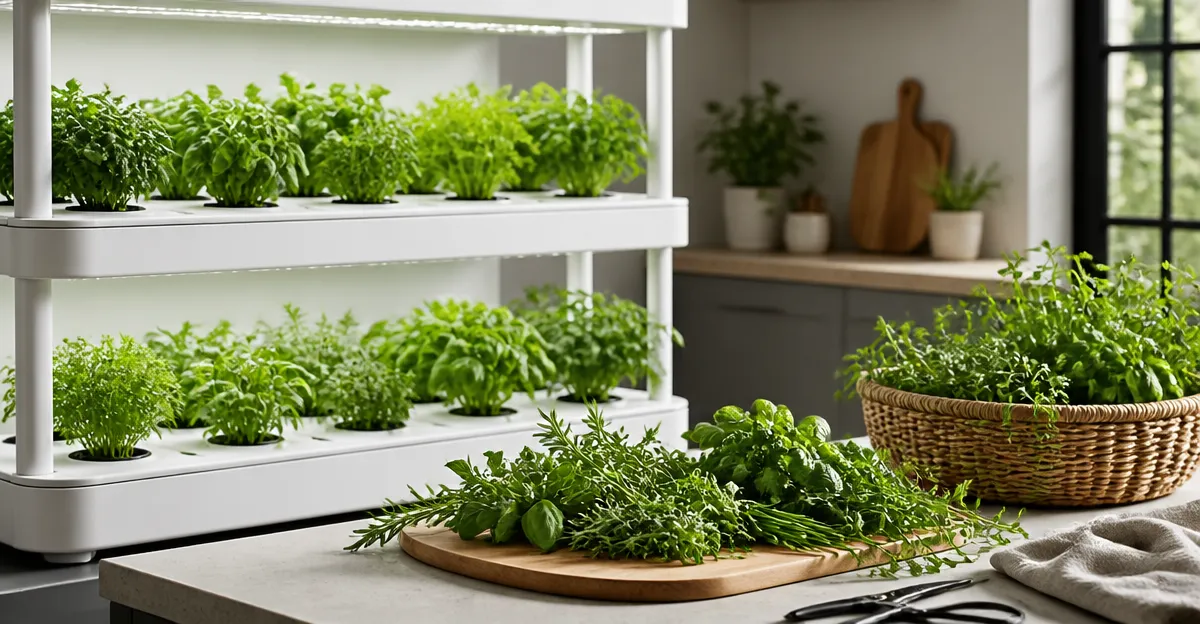
The Ultimate Guide to Hydroponic Herb Harvest Schedules for Effortless Meal Planning
Introduction
Hydroponic gardening has transformed the way individuals obtain fresh herbs throughout the year. This guide explains how to design reliable harvest schedules that align with weekly meal plans. Readers will learn the biological rhythms of common culinary herbs, how to synchronize lighting cycles with growth phases, and which indoor garden systems simplify the process. By the end of the article, one will possess a practical framework for continuous herb supply without excessive maintenance.
The information presented combines scientific principles with real‑world product performance data. It is intended for home cooks, small‑scale chefs, and anyone seeking a predictable source of flavor enhancers. The guide remains valuable even for those who prefer traditional soil methods, because the scheduling concepts are universally applicable.
Background and Context
Hydroponics relies on delivering nutrient‑rich water directly to plant roots, eliminating the need for soil. This method accelerates growth by providing optimal oxygen, moisture, and mineral balance. For herbs such as basil, cilantro, and mint, hydroponic systems can reduce the time from seed to harvest to as little as three weeks.
Key variables that influence growth rate include light spectrum, photoperiod, temperature, and nutrient concentration. Full‑spectrum LED grow lights mimic natural sunlight and can be programmed for specific growth stages. Photoperiod, the daily duration of light exposure, determines whether a plant remains in vegetative growth or initiates flowering. Understanding these variables enables precise manipulation of harvest timing.
Meal planning benefits from a steady herb supply because it reduces grocery trips, minimizes waste, and enhances nutritional consistency. By aligning harvest cycles with weekly menus, one can guarantee that each recipe receives the freshest possible ingredient.
Understanding Hydroponic Growth Cycles
The growth cycle of a hydroponic herb can be divided into four phases: germination, seedling, vegetative growth, and harvest. Germination typically occurs within three to five days when seeds are kept moist and warm. The seedling phase lasts approximately one week, during which the plant develops its first true leaves.
Vegetative growth is the most critical phase for leaf production. Under a 16‑hour light, 8‑hour dark schedule, most herbs double their leaf mass every five to seven days. This rapid expansion is why hydroponic systems can deliver up to three times the yield of soil‑based gardens.
Harvest timing depends on the intended culinary use. For delicate herbs such as basil, cutting just before the plant begins to flower preserves flavor. For heartier herbs like rosemary, later harvests are acceptable. By monitoring leaf size and plant height, one can schedule cuts at optimal flavor peaks.
Integrating a timer‑controlled LED fixture ensures consistent photoperiods. The Hopegarden 15-Pod Hydroponic Indoor Garden includes a smart dual‑mode grow light with automated timing, providing separate settings for vegetables and flowers. This feature simplifies the management of multiple herb varieties within a single unit.
Scheduling Harvests for Common Herbs
To create a weekly harvest schedule, one should stagger planting dates across multiple pods. With a fifteen‑pod system, planting a new batch every three days ensures that at any given week, several pods are ready for harvest. For example, allocate pods 1‑5 for basil, 6‑10 for cilantro, and 11‑15 for mint.
Assuming a 21‑day total growth period, the schedule might appear as follows:
- Day 0: Sow basil seeds in pods 1‑5.
- Day 3: Sow cilantro seeds in pods 6‑10.
- Day 6: Sow mint seeds in pods 11‑15.
- Day 21: Begin harvesting basil while initiating a new basil cycle.
- Day 24: Harvest cilantro and restart cilantro cycle.
- Day 27: Harvest mint and restart mint cycle.
This rotation guarantees a continuous supply of each herb every week. The MetryGrow MG-15 Hydroponic Garden features a 5.5‑liter tank that supports longer intervals between water refills, making it suitable for users who prefer less frequent maintenance.
When planning meals, align the harvest day with the recipe that requires the freshest leaves. For instance, schedule a pesto night on the day basil is harvested, and a salsa evening on the cilantro harvest day. This alignment maximizes flavor while minimizing storage loss.
Integrating Hydroponic Systems into Meal Planning
Effective meal planning begins with a weekly menu that lists herb requirements for each dish. Once the menu is established, reference the harvest schedule to determine which herbs will be available on each cooking day. This approach eliminates the need to purchase wilted herbs from grocery stores.
Digital tools such as spreadsheet calendars or dedicated meal‑planning apps can be used to visualize the overlap between menu items and harvest dates. Marking the harvest days in a distinct color helps quickly identify which recipes can be prepared with fresh produce.
For households with multiple cooks, assign specific pods to each family member. This responsibility encourages engagement and ensures that the system is regularly monitored. The visual water window on the Hopegarden unit allows anyone to verify water levels at a glance, reducing the risk of neglect.
In addition to herbs, both featured systems can accommodate small fruiting plants such as strawberries. Incorporating a fruiting cycle expands the menu possibilities and demonstrates the versatility of hydroponic indoor gardens.
Comparison and Selection Guide
| Feature | Hopegarden 15‑Pod Hydroponic Indoor Garden | MetryGrow MG‑15 Hydroponic Garden |
|---|---|---|
| Pod Capacity | 15 universal pods | 15 pods |
| Light Technology | Full‑spectrum LED with dual modes (Light Blue, Green) | 24W full‑spectrum LED with dual modes (Vegetable, Fruit & Flower) |
| Tank Volume | 3 L self‑watering tank | 5.5 L tank |
| Adjustable Light Height | Up to 13.78 inches | Up to 14 inches |
| Pump Operation | Silent pump on 30‑minute intervals | Silent pump on 30‑minute intervals |
| Price | $37.98 | $46.39 |
| Average Rating | 4.4 / 5 (113 reviews) | 4.5 / 5 (174 reviews) |
| Availability | In Stock | In Stock |
Both systems deliver reliable growth, yet the MetryGrow unit offers a larger water reservoir, which reduces refill frequency. The Hopegarden model provides a slightly lower price point and a clear water window for visual monitoring. Users who prioritize cost efficiency and visual feedback may prefer Hopegarden, while those who desire extended water capacity may select MetryGrow.
Best Practices & Tips
- Maintain a consistent photoperiod using the built‑in timer; abrupt changes can stress plants and reduce yield.
- Monitor nutrient solution concentration weekly with a calibrated EC meter; a range of 1.2‑1.8 mS/cm is optimal for most herbs.
- Prune harvested stems just above the node to encourage lateral branching and sustained leaf production.
- Sanitize the water tank and pump monthly with a mild hydrogen peroxide solution to prevent microbial buildup.
- Rotate crops seasonally; introduce less common herbs such as lemon balm in winter to diversify flavor profiles.
Implementing these practices ensures a healthy hydroponic environment and maximizes the flavor intensity of harvested herbs. Consistency in maintenance routines also reduces the likelihood of system failures.
Frequently Asked Questions
1. How often should the water level be checked?
Both systems feature a visual water window; it is advisable to inspect the level daily during the first week and thereafter every two to three days. Maintaining a minimum of one‑inch water above the pump inlet prevents dry‑run conditions.
2. Can the LED lights be replaced if they fail?
Yes, the LED modules are designed for user replacement. The manufacturer provides compatible replacement parts through the official support portal.
3. What is the ideal temperature range for herb growth?
Most culinary herbs thrive between 65 °F and 78 °F (18 °C‑26 °C). Maintaining this range supports rapid leaf development and prevents bolting.
4. Is it necessary to use the supplied plant food?
While the included plant food A/B meets the nutritional requirements for the first six weeks, users may switch to a balanced hydroponic nutrient solution thereafter for continued growth.
5. How can one prevent algae growth in the tank?
Cover the tank with an opaque lid and limit ambient light exposure. The silent pump’s intermittent operation also discourages stagnation, further reducing algae formation.
6. Can these systems be used for seed saving?
Yes, after several growth cycles, herb seeds can be harvested from mature plants. Store seeds in a cool, dry environment to maintain viability.
7. Are the systems suitable for children?
Both units are marketed as family‑friendly and include safety features such as low‑voltage adapters. Adult supervision is recommended during initial setup.
Conclusion
By understanding hydroponic growth cycles, implementing a staggered planting schedule, and selecting the appropriate indoor garden system, one can achieve a reliable weekly supply of fresh herbs. This reliability simplifies meal planning, enhances culinary creativity, and reduces dependence on external grocery sources. The strategies outlined in this guide empower readers to integrate hydroponic herb production seamlessly into everyday cooking routines.
Products Featured in This Guide
Hopegarden 15-Pod Hydroponic Indoor Garden
Price: $37.98
Rating: 4.4/5.0 (113 reviews)
Featured because it provides a cost‑effective fifteen‑pod system with a dual‑mode LED light and a visual water window, making it ideal for beginners and those who value easy monitoring.
MetryGrow MG-15 Hydroponic Garden
Price: $46.39
Rating: 4.5/5.0 (174 reviews)
Featured because it offers a larger 5.5 L water tank, patented full‑spectrum LED technology, and an adjustable stand, providing greater flexibility for users who desire longer intervals between maintenance.