Introduction
One will discover how to transform a compact indoor space into a vibrant, harvest‑ready herb bar that impresses event guests and simplifies fresh‑ingredient service. This guide explains each phase of planning, assembling, and fine‑tuning a hydroponic pop‑up station, ensuring reliable growth and aesthetic appeal. By following the instructions, one can reduce waste, eliminate soil‑related mess, and maintain consistent flavor profiles throughout the event. The knowledge gained is valuable for caterers, restaurateurs, and DIY enthusiasts seeking a modern, sustainable solution.
What You’ll Need
- LETPOT 12‑Pod Smart Hydroponic Herb Garden – LETPOT 12‑Pod Smart Hydroponic Herb Garden
- VIVOSUN 2x2 WiFi Grow Tent Kit – VIVOSUN 2x2 WiFi Grow Tent Kit
- Portable countertop or folding table
- Stainless‑steel or acrylic shelving units
- Reusable plant markers and labeling tags
- Power strip with surge protection
- Basic hand tools (screwdriver, zip ties, measuring tape)
Step 1: Select a Suitable Location and Layout
One should begin by identifying a venue area that offers easy access to power outlets, moderate ambient temperature, and sufficient clearance for a 24‑inch tall structure. Measure the floor space to ensure the 2 × 2 ft footprint of the VIVOSUN Grow Tent will fit without obstructing foot traffic. Arrange the portable table near the serving line so that staff can harvest herbs quickly while maintaining a clean presentation. Verify that the chosen spot is free from direct sunlight, which could interfere with the LED lighting schedule.
Step 2: Install the Hydroponic Herb Garden
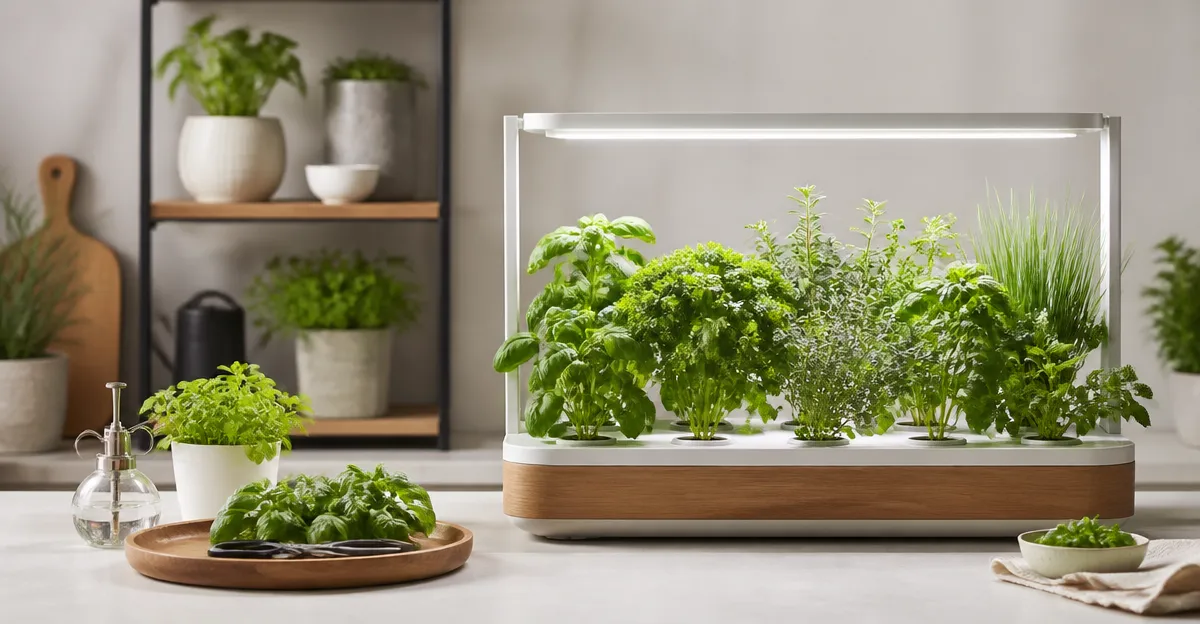
Unbox the LETPOT 12‑Pod Smart Hydroponic Herb Garden and place it on the tabletop, ensuring the 5.5‑liter water tank sits level to avoid spillage during transport. Connect the pump system and fill the reservoir with the included A&B nutrient solution, following the manufacturer’s ratio for herb cultivation. Insert the pre‑soaked sponges into the 12 planting cups, then add herb seedlings such as basil, cilantro, and mint. The patented smart system will send reminders via the LetPot app, preventing missed watering cycles.
Step 3: Configure Lighting and Power
The LETPOT unit contains a 24‑watt full‑spectrum LED that mimics natural sunlight, promoting photosynthesis and accelerating growth by up to 40 %. Use the app to set a 16‑hour light cycle during the event, adjusting the blue‑rich vegetative mode for leafy herbs. If additional illumination is required for the surrounding tent, install the LumaLight 100 W full‑spectrum LED included in the VIVOSUN 2x2 WiFi Grow Tent Kit. Connect both lighting units to a surge‑protected power strip and enable Wi‑Fi control through the GrowHub A22 for remote adjustments.
Step 4: Arrange the Pop‑Up Bar Structure
Deploy the VIVOSUN Grow Tent by unfolding the durable fabric and securing the zippers, then attach the metal frame using the supplied clips. Position the tent so that the LETPOT system sits centrally, allowing guests to view the growing herbs through the clear panels. Install the 4 inch carbon filter and ducting to maintain air quality and reduce odor, especially if the event features aromatic herbs. Use zip ties to route power cords neatly along the tent’s interior, preserving a tidy appearance.
Step 5: Populate with Herbs and Prepare for Service
Choose a selection of culinary herbs that thrive in hydroponic environments, such as thyme, rosemary, and chives, and plant them in the remaining pods. Label each pod with a reusable marker to assist staff in identifying flavors quickly. Adjust the nutrient dosage weekly, monitoring the app’s growth‑day tracker to ensure optimal health. Position small, food‑grade scissors on the bar for guests to snip fresh leaves directly into dishes, enhancing the interactive experience.
Step 6: Test and Fine‑Tune the System
Before the event begins, run the entire setup for at least two hours to confirm that water circulation, lighting schedules, and Wi‑Fi connectivity function without interruption. Observe leaf coloration; any yellowing may indicate nutrient imbalance, which can be corrected by adjusting the A&B solution concentration. Verify that the ventilation fan circulates air at 195 CFM, maintaining a stable temperature around 70 °F, which is ideal for most herbs. Document the settings in a quick‑reference sheet for staff to consult during the event.
Tips & Pro Tips
- Place a small tray beneath the LETPOT unit to catch any accidental spills during transport.
- Use a portable humidifier inside the tent if the venue is unusually dry; herbs prefer 40‑60 % relative humidity.
- Schedule a brief “harvest window” every hour to keep the bar stocked with fresh leaves and avoid over‑pruning.
- Integrate the GrowHub app with a voice‑assistant routine for hands‑free lighting adjustments.
Troubleshooting
- Problem: Leaves turning pale. Solution: Increase blue‑light intensity via the LetPot app and verify nutrient concentration.
- Problem: Pump makes unusual noises. Solution: Check for clogged pump inlet and clear any debris from the water tank.
- Problem: Wi‑Fi disconnects. Solution: Relocate the router closer to the tent or use a Wi‑Fi extender to strengthen the signal.
Conclusion
One now possesses a complete roadmap for constructing a portable, hydroponic herb bar that delivers fresh flavors and visual appeal at any event. By leveraging the LETPOT 12‑Pod Smart Hydroponic Herb Garden and the VIVOSUN 2x2 WiFi Grow Tent Kit, one can ensure consistent growth, precise environmental control, and a professional presentation. The guide equips readers with practical steps, troubleshooting tactics, and expert tips to execute the setup confidently. Embrace this modern approach to culinary service and elevate guest experiences with farm‑fresh herbs on demand.
Products Mentioned in This Guide
Frequently Asked Questions
What equipment is essential for a DIY hydroponic pop‑up herb bar?
You need a smart hydroponic garden like the LETPOT 12‑Pod, a grow tent (e.g., VIVOSUN 2x2 WiFi), a portable table, shelving, plant markers, a surge‑protected power strip, and basic hand tools.
How does a hydroponic herb bar reduce waste compared to soil gardening?
Hydroponics eliminates soil, so there’s no dirty mess or discarded pots, and nutrients are recirculated, minimizing excess fertilizer and water waste.
Can the pop‑up herb bar be set up in a small indoor venue?
Yes, the compact 2‑ft grow tent and tabletop design fit tight spaces while still providing enough light and airflow for healthy herb growth.
What is the best way to maintain consistent flavor profiles during an event?
Keep the hydroponic system’s nutrient solution and lighting on a steady schedule, and harvest herbs shortly before service to preserve peak flavor.
What common issues should I watch for when using a smart hydroponic system at an event?
Watch for power interruptions, nutrient depletion, and clogged pump lines; a surge‑protected strip and regular solution checks prevent most problems.