
How to Build a Hydroponic Setup for Allergy Sufferers: Step‑by‑Step Low‑Allergen Indoor Gardening
Introduction
Allergy sufferers often struggle to enjoy fresh herbs and vegetables because pollen, dust, and mold can trigger uncomfortable symptoms. By growing produce indoors with a hydroponic system, one can control the environment, eliminate soil‑borne allergens, and harvest clean, pesticide‑free food year‑round. This guide explains how to design and assemble a low‑allergen hydroponic garden, what materials are required, and which tools simplify each stage. Readers will finish with a fully functional indoor garden that reduces exposure to common allergens while delivering flavorful herbs.
What You'll Need
- Hydroponic growing kit (recommended: DRYADES Indoor Hydroponic Herb Garden Kit)
- Clean, filtered water source
- Hydroponic nutrient solution (preferably organic)
- pH testing kit or digital meter
- Seed packets of low‑pollen herbs (basil, mint, chives, parsley)
- LED grow light extensions if additional height is required
- Soft cloths for cleaning and a small brush for pump maintenance
Step 1: Choose a Suitable Location
Select a quiet corner of the kitchen, office, or bedroom where temperature remains between 65°F and 80°F (18°C‑27°C). The area should receive minimal drafts, as sudden air movement can disturb delicate seedlings. Ensure an electrical outlet is within reach for the LED grow light and water pump. By positioning the system away from windows, one avoids pollen influx from outdoor air, which is crucial for allergy sufferers.
Step 2: Assemble the DRYADES Indoor Hydroponic Herb Garden Kit
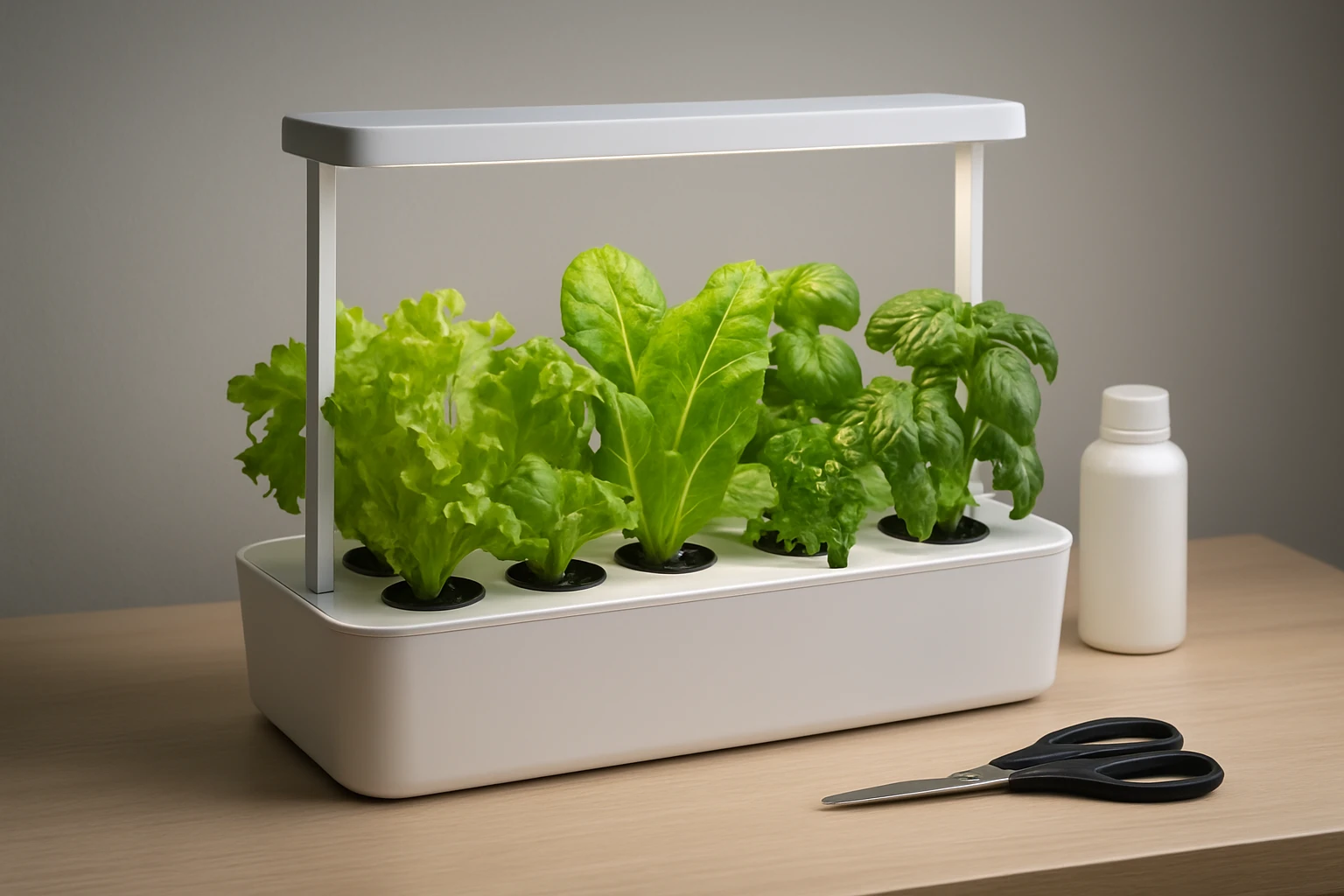
Unbox the kit and lay out the components: the water reservoir, 12 planting pods, LED grow light panel, and circulation pump. Follow the printed manual to connect the pump to the reservoir and attach the light bar above the pods. The kit includes a height‑adjustable light that can be raised up to 14.8 inches, allowing the plants to grow taller without manual relocation. This adjustability reduces the need to move the entire system, limiting dust disturbance.
The DRYADES Indoor Hydroponic Herb Garden Kit costs $41.99 and carries a rating of 4.4 out of 5 stars from 123 reviews, indicating reliable performance for beginners. Its integrated water‑level gauge eliminates guesswork, ensuring the roots remain submerged without over‑watering, a common source of mold growth that can aggravate allergies.
Step 3: Prepare the Nutrient Solution
Mix the hydroponic nutrient concentrate with filtered water according to the manufacturer’s instructions, typically one tablespoon per gallon. Use a pH meter to adjust the solution to a range of 5.5‑6.5, which promotes optimal nutrient uptake and prevents root stress. Maintaining proper pH reduces the likelihood of fungal spores developing in the reservoir, thereby protecting allergy‑prone individuals.
Step 4: Plant the Seeds
Place a small amount of seed‑starting medium (such as rockwool cubes) into each of the 12 pods. Sprinkle the selected herb seeds lightly on the surface and cover with a thin layer of the same medium to keep them moist. Add the prepared nutrient solution to the reservoir until the water level reaches the gauge marker. The system’s self‑circulating pump runs every 30 minutes, delivering oxygen to the roots and preventing stagnation, which is essential for keeping the water odor‑free.
Step 5: Configure Lighting and Timers
Set the LED panel to the “blue spectrum” mode for the vegetative stage, which encourages leaf growth. The built‑in timer should be programmed for 16 hours of light followed by 8 hours of darkness, mimicking natural daylight cycles. After the first four weeks, switch to the “red spectrum” mode to stimulate flowering if desired. The dual‑mode lighting eliminates the need for additional bulbs, reducing indoor air pollutants that can trigger allergic reactions.
Step 6: Monitor Growth and Maintain Cleanliness
Inspect the water level daily using the clear gauge; top up with filtered water as needed. Every two weeks, replace 25% of the reservoir water with fresh nutrient solution to prevent buildup of salts that could foster mold. Wipe the exterior of the reservoir with a damp cloth and use a soft brush to clean the pump inlet, ensuring quiet operation (under 20 dB) and preventing dust accumulation.
Tips & Pro Tips
- Air filtration: Place a small HEPA filter near the system to capture airborne pollen that may settle on leaves.
- Herb rotation: Harvest leaves regularly to promote new growth and reduce the chance of fungal spores forming on older foliage.
- Temperature stability: Use a small space heater or fan to keep the ambient temperature within the optimal range, especially in winter months.
- Water quality: If municipal water is hard, consider a reverse‑osmosis unit to avoid mineral deposits that can cloud the reservoir.
Troubleshooting
| Problem | Possible Cause | Solution |
|---|---|---|
| Yellowing leaves | Insufficient nutrients or pH imbalance | Check nutrient concentration and adjust pH to 5.5‑6.5. |
| Root rot | Stagnant water or over‑watering | Increase pump frequency and ensure water level does not exceed gauge marker. |
| Fuzzy white growth | Presence of mold or algae | Replace 25% of water, clean reservoir, and improve air circulation. |
Conclusion
By following these steps, one can construct a low‑allergen hydroponic garden that provides fresh herbs without exposing the household to pollen, dust, or soil‑borne irritants. The DRYADES Indoor Hydroponic Herb Garden Kit offers an all‑in‑one solution that simplifies setup, reduces maintenance, and operates quietly, making it ideal for allergy‑sensitive environments. Continued care, regular monitoring, and the pro tips outlined will ensure a thriving indoor garden for many seasons to come.
Products Mentioned in This Guide
Frequently Asked Questions
What makes hydroponic gardening low‑allergen for allergy sufferers?
Hydroponics eliminates soil, reducing mold and dust, and lets you control water and nutrients to avoid pollen‑rich plants.
Can I use regular soil nutrients in a low‑allergen hydroponic system?
No; use water‑soluble hydroponic nutrients, preferably organic, to keep the solution clean and allergen‑free.
How often should I check and adjust the pH in a low‑allergen hydroponic setup?
Test the pH at least once a week and adjust it to the optimal range (5.5‑6.5) to ensure healthy, allergen‑low growth.
Which herbs are best for a low‑allergen indoor hydroponic garden?
Low‑pollen herbs such as basil, mint, chives, and parsley thrive hydroponically and are gentle on allergies.
Do I need special lighting for a low‑allergen hydroponic garden?
Use full‑spectrum LED grow lights; they provide the necessary light without adding allergens or excessive heat.