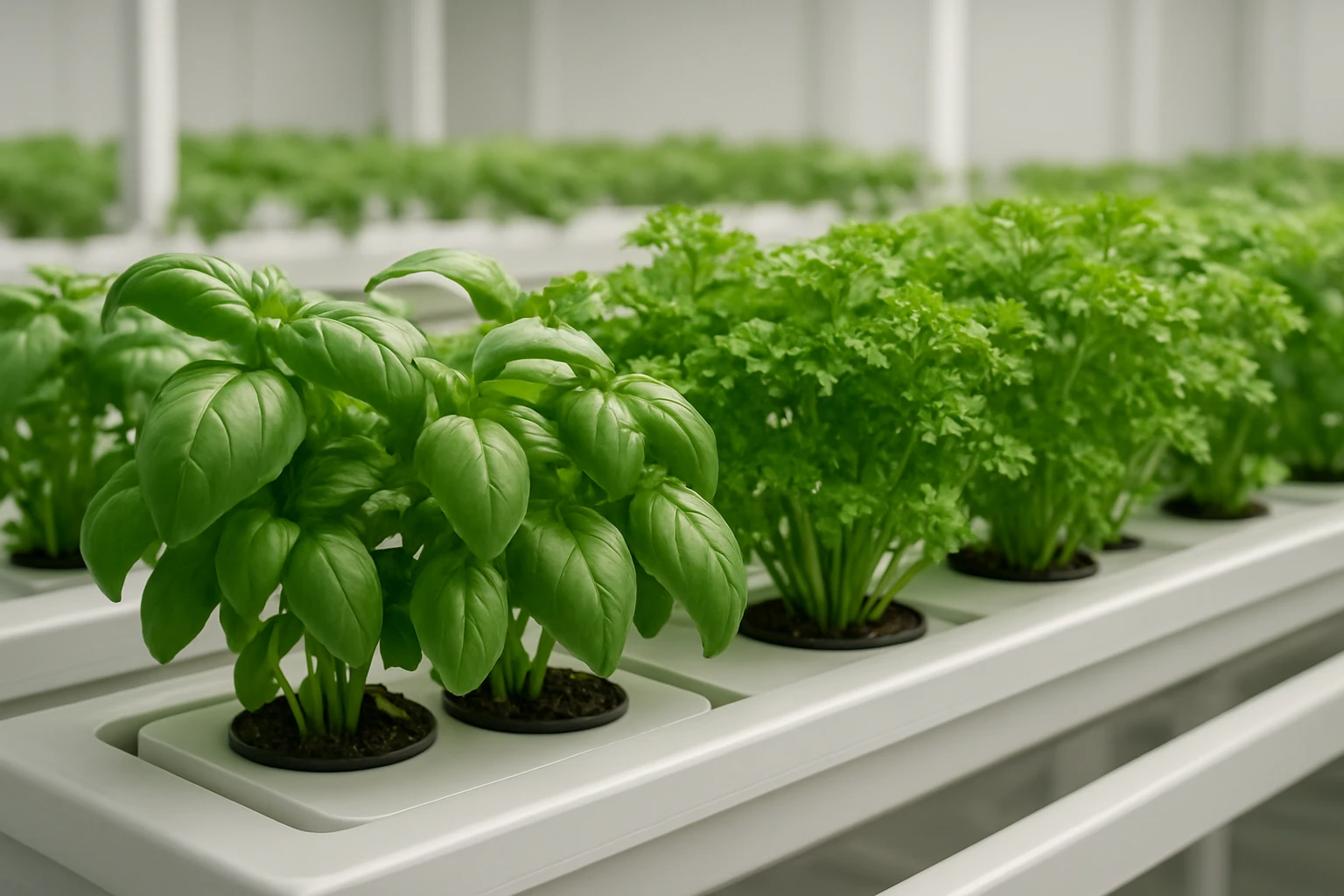
Hydroponic Herb Yield Per Square Foot: The Complete Guide to Calculating, Benchmarking & Maximizing Harvests
Introduction
Hydroponic gardening has transformed the way growers produce herbs in limited spaces. This guide explains how to calculate herb yield per square foot, benchmark results against industry standards, and apply proven techniques to maximize harvests. Readers will learn the mathematics behind yield estimation, understand the role of system design, and discover which ready‑made kits streamline the process. By the end of the article, both novice and experienced growers will be equipped to make data‑driven decisions that increase productivity.
Background & Context
Traditional soil cultivation relies on root volume, soil health, and weather, which introduces variability that is difficult to control. Hydroponics replaces soil with a nutrient‑rich water solution, allowing growers to regulate oxygen, pH, and mineral concentration with precision. Because the growing medium is often a lightweight net pot or sponge, plants can be spaced more densely, directly influencing yield per square foot. Understanding these fundamentals is essential before diving into calculations.
Key concepts include:
- Yield per square foot (YPSF): The weight of harvested herb material divided by the growing area measured in square feet.
- Plant density: Number of plants placed in a given area, affected by pot size and canopy spread.
- Growth cycle length: Days from planting to harvest, which determines how many cycles can be completed annually.
- Nutrient film technique (NFT) vs. deep‑water culture (DWC): Different hydroponic methods that impact root oxygenation and therefore growth speed.
These variables interact in predictable ways, enabling growers to model expected outputs before investing in equipment.
Calculating Herb Yield per Square Foot
To estimate YPSF, follow a three‑step process:
- Determine plant productivity. For a common herb such as basil, a healthy plant can produce 0.5 lb (8 oz) of leaves over a 30‑day cycle when grown under optimal conditions.
- Calculate planting density. Using a 4‑inch net pot, a grower can fit 9 plants per square foot (12‑inch spacing horizontally and vertically).
- Apply the formula. YPSF = (Yield per plant × Number of plants per square foot) ÷ Cycle length (in days) × 365 days.
Example: (0.5 lb × 9) ÷ 30 × 365 ≈ 54 lb per square foot per year.
Adjust the numbers for different herbs—mint, cilantro, and parsley have slightly lower per‑plant yields but may require less spacing. The formula remains identical, allowing direct comparison across species.
Benchmarking Your System
Benchmarking provides a reality check against industry averages. Published data suggests that well‑managed hydroponic basil systems achieve 45‑55 lb per square foot annually, while lettuce systems range from 30‑40 lb. Use these figures as targets; if your results fall short, examine variables such as light intensity, nutrient concentration, and pump reliability.
Tracking metrics is essential. Record the following for each cycle:
- Total harvested weight (lb)
- Growing area (sq ft)
- Cycle duration (days)
- Energy consumption (kWh) for lighting and pumping
Plotting YPSF over multiple cycles reveals trends and highlights the impact of adjustments.
Maximizing Harvests: Strategies & Product Recommendations
While theoretical calculations are useful, practical enhancements often deliver the biggest gains. The following strategies integrate seamlessly with the two featured kits.
Optimized Lighting
Full‑spectrum LED panels delivering 30‑40 watts per square foot ensure photosynthetic efficiency without excessive heat. Position lights 12‑18 inches above the canopy and maintain a 16‑hour photoperiod for most herbs.
Precise Nutrient Management
Maintain electrical conductivity (EC) between 1.2‑1.8 mS/cm and pH 5.8‑6.2 for basil, mint, and cilantro. Use a calibrated meter and adjust the reservoir weekly.
Air‑Stone Oxygenation
Adding a small air‑stone to the reservoir raises dissolved oxygen, promoting faster root growth and reducing the risk of root rot.
Product Integration
The INTBUYING 72‑Hole Hydroponic Grow Kit offers a modular, 72‑hole layout that suits high‑density herb planting. Its food‑grade PVC‑U pipes and snap‑cap design provide a leak‑free environment, while the included 110 V water pump supports a 15‑20 L reservoir—ideal for the 30‑day basil cycle described earlier.
Key features that aid yield maximization include:
- Pipe diameter of 2.5 inches, allowing ample root space.
- UV‑stable snap caps that prevent nutrient degradation.
- Easy assembly, reducing setup time and encouraging experimentation.
- Rating of 4.7/5 from four verified reviewers, indicating reliable performance.
For growers who need greater capacity, the VIVOSUN 108‑Site Hydroponic Grow Kit expands planting area to three layers, supporting up to 108 plants simultaneously. Its built‑in timer automates nutrient flow, delivering a 5‑minute pump cycle every 30 minutes—conserving energy while maintaining a steady nutrient film.
Relevant specifications include:
- Three‑layer design with 31.1‑inch PVC‑U pipes (2.8‑inch diameter).
- Integrated pump timer that reduces manual adjustments.
- Rating of 4/5 from over 1,300 reviews, reflecting broad user satisfaction.
- Price of $118.99, offering a cost‑effective upgrade for larger operations.
Environmental Control
Maintain ambient temperature between 68‑75 °F for most herbs. Use a small thermostat to trigger fans when temperature exceeds the upper threshold, preventing heat stress that can lower YPSF.
Comparison & Selection Guide
Choosing the right kit depends on space, budget, and desired scale. The table below contrasts the two featured products across critical dimensions.
| Feature | INTBUYING 72‑Hole Kit | VIVOSUN 108‑Site Kit |
|---|---|---|
| Plant Capacity | 72 sites (single layer) | 108 sites (three layers) |
| Pipe Diameter | 2.5 in (6.35 cm) | 2.8 in (7.1 cm) |
| Included Pump | 110 V pump (15‑20 L reservoir) | 12 V pump with timer (adjustable flow) |
| Assembly Complexity | Very simple, snap‑cap design | Moderate; three‑layer alignment required |
| Price | $139.99 | $118.99 |
| User Rating | 4.7/5 (4 reviews) | 4/5 (1,317 reviews) |
| Best For | Beginners seeking quick setup | Growers needing higher density and automated timing |
For a hobbyist with a small balcony, the INTBUYING kit provides a compact, low‑maintenance solution. In contrast, a commercial kitchen that requires continuous basil supply would benefit from the VIVOSUN system’s larger capacity and timer‑driven nutrient flow.
Best Practices & Tips
Beyond equipment, success hinges on disciplined horticultural practices. The following checklist helps maintain optimal YPSF.
- Conduct weekly EC and pH checks; adjust nutrient concentration before it drifts out of the optimal range.
- Prune lower leaves regularly to improve airflow and reduce disease pressure.
- Rotate crops every 4‑6 weeks to prevent nutrient depletion specific to a single herb.
- Implement a “flush” cycle every 8 weeks by running plain water for 24 hours; this removes salt buildup and restores root vigor.
- Keep the reservoir temperature below 68 °F; use a water chiller in hot climates.
When using the VIVOSUN kit, verify that the pump timer matches the tubing size (5/16 in) and that the pump is dry‑burn safe. A backup pump can prevent catastrophic loss of a cycle, a concern highlighted in several user reviews.
Frequently Asked Questions
- 1. How many herbs can I grow per square foot?
- Using 4‑inch net pots, you can typically place nine plants per square foot. Adjust spacing based on species; mint spreads more aggressively than basil.
- 2. What is the ideal nutrient solution for basil?
- A balanced formula with N‑P‑K ratio of 20‑10‑20, supplemented with micronutrients, works well. Maintain EC 1.5 mS/cm and pH 6.0.
- 3. Can I use the INTBUYING kit outdoors?
- Yes, the PVC‑U pipes are UV‑stable, but protect the reservoir from direct sunlight to prevent algae growth.
- 4. How often should I replace the water pump?
- For continuous operation, replace the pump every 12‑18 months or sooner if you notice reduced flow or unusual noise.
- 5. Is a timer necessary for hydroponic herbs?
- While not mandatory, a timer—like the one included with the VIVOSUN kit—optimizes oxygen exposure and conserves energy, leading to higher yields.
- 6. What lighting schedule maximizes basil yield?
- A 16‑hour light / 8‑hour dark cycle mimics long‑day summer conditions, encouraging rapid leaf production.
- 7. How do I prevent root clogging in NFT systems?
- Trim root tips regularly and use a coarse filter at the reservoir inlet to catch debris. The VIVOSUN kit’s timer helps by providing intermittent flow that reduces stagnation.
Conclusion
Calculating hydroponic herb yield per square foot transforms a hobby into a data‑driven operation. By mastering the yield formula, benchmarking against industry standards, and applying proven environmental controls, growers can consistently achieve 45‑55 lb per square foot of basil annually. Selecting the appropriate system—whether the beginner‑friendly INTBUYING 72‑Hole Kit or the higher‑capacity VIVOSUN 108‑Site Kit—further amplifies results. Continuous monitoring, timely adjustments, and adherence to best practices ensure that every square foot contributes maximally to the harvest.
Products Featured in This Guide
INTBUYING 72‑Hole Hydroponic Grow Kit
Price: $139.99
Rating: 4.7/5 (4 reviews)
Featured because it offers a simple, snap‑cap design that enables rapid setup for beginners and supports high‑density herb planting within a compact footprint.
VIVOSUN 108‑Site Hydroponic Grow Kit
Price: $118.99
Rating: 4/5 (1,317 reviews)
Featured because its three‑layer architecture and built‑in timer provide scalability and automation for growers seeking larger yields and reduced manual intervention.