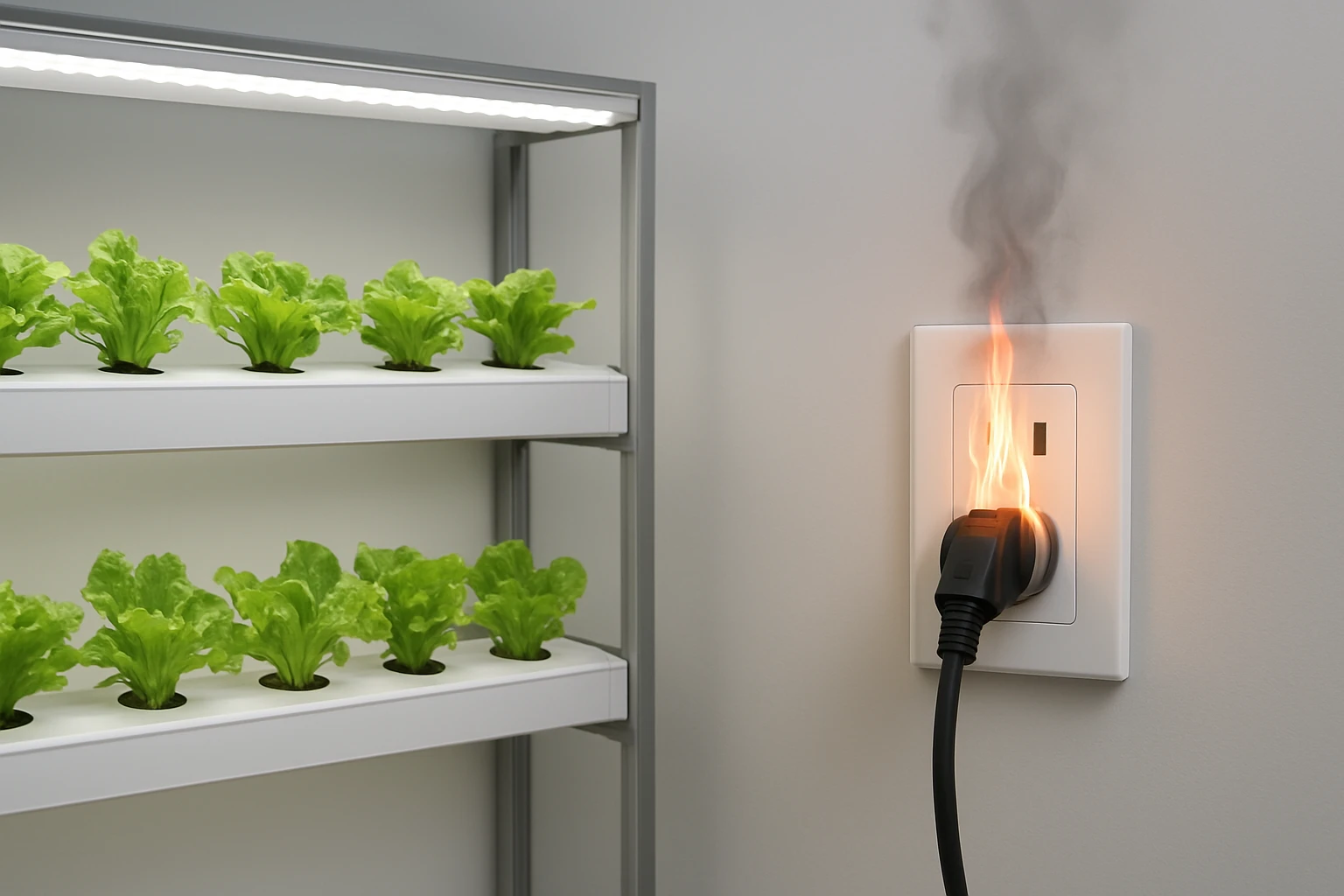
Hydroponic Electrical Fire Safety: The Ultimate Guide
Introduction
The rapid growth of indoor hydroponic gardening has introduced new electrical components into residential and commercial spaces. This guide explains the scope of electrical fire safety for hydroponic systems, outlines preventive measures, and details response protocols. Readers will learn foundational concepts, evaluate safety‑focused products, and acquire actionable best‑practice tips. By the end of the article, one will possess the knowledge required to protect both plants and property from fire hazards.
Background and Context
Hydroponic cultivation relies on artificial lighting, water pumps, sensors, and control panels that operate on household electricity. While these devices increase yield, they also create potential points of failure such as overloaded circuits, faulty wiring, and overheating components. Understanding how electricity interacts with water and nutrient solutions is essential because moisture can accelerate short‑circuit conditions. Moreover, modern LED grow lights generate significant heat, and enclosed grow cabinets can trap that heat, raising ambient temperature to levels that challenge fire‑resistant materials.
Regulatory bodies such as the National Fire Protection Association (NFPA) provide guidelines for electrical installations in wet environments. Compliance with local building codes, proper grounding, and the use of UL‑listed equipment form the baseline of a safe hydroponic setup. The following sections build upon this baseline to present a systematic approach to fire safety.
Understanding Electrical Hazards in Hydroponics
Three primary hazards dominate hydroponic environments: overload, short circuit, and thermal runaway. Overload occurs when the combined amperage of lights, pumps, and controllers exceeds the rating of a circuit breaker. Short circuits arise when water contacts exposed conductors, creating a direct path for current. Thermal runaway describes a situation where a component, such as an LED driver, continues to heat beyond its design limits, potentially igniting surrounding materials.
- Overload Prevention: Use dedicated circuits for high‑wattage LED arrays and ensure that total draw stays below 80% of breaker capacity.
- Short‑Circuit Mitigation: Seal all connections with waterproof connectors and employ drip‑proof cable glands.
- Thermal Management: Install heat‑dissipating fins and maintain adequate airflow around grow lights.
Each hazard can be addressed through design choices, regular maintenance, and the selection of safety‑enhanced products.
Product Recommendation: Safety‑Focused Hydroponic System
When selecting a hydroponic kit, it is prudent to choose a model that integrates fire‑safety features. The Ahopegarden Hydroponic Garden Kit exemplifies a system that combines modern design with safety considerations.
Key specifications include a durable ABS housing, a 5‑liter water reservoir, and an ultra‑quiet pump that cycles for 30 minutes to maintain water freshness. The kit’s LCD touchscreen allows precise control of lighting schedules, reducing the risk of accidental over‑illumination. With a 4.6‑star rating from 888 reviews, users commend its reliable performance and low noise level, both of which contribute to a safer indoor environment.
The integrated full‑spectrum LED panel operates in a 22‑hour mode that boosts flowering while incorporating thermal sensors to prevent overheating. By providing a built‑in water level indicator, the system alerts users before the pump runs dry, a condition that can cause motor burnout and spark generation.
Overall, the Ahopegarden kit offers a comprehensive package that aligns with fire‑prevention best practices, making it a suitable recommendation for both novice and experienced growers.
Comparison and Selection Guide
Choosing the right hydroponic system involves evaluating several criteria beyond price and aesthetics. The table below outlines essential factors and demonstrates how the Ahopegarden Hydroponic Garden Kit performs against each benchmark.
| Criteria | Importance | Ahopegarden Hydroponic Garden Kit |
|---|---|---|
| Electrical Load Management | High – prevents overload | Dedicated 12‑pod LED array with programmable cycles; operates within standard 120 V household circuits. |
| Water‑Resistant Connectors | Medium – reduces short‑circuit risk | All wiring sealed with drip‑proof glands; ABS housing resists moisture penetration. |
| Thermal Protection | High – avoids thermal runaway | LED panel includes temperature sensors that automatically dim when thresholds are approached. |
| Ease of Maintenance | Medium – encourages regular inspection | LCD touchscreen displays water level and pump status; pump cycles for 30 minutes to prevent stagnation. |
| User Reviews and Reliability | High – indicates real‑world performance | 4.6/5 rating from 888 verified purchasers; praised for quiet operation and durability. |
Prospective buyers should prioritize systems that incorporate built‑in monitoring, moisture‑sealed connectors, and thermal safeguards. While the Ahopegarden kit satisfies these requirements, alternative models lacking these features may increase fire risk.
Best Practices & Tips for Electrical Fire Prevention
- Conduct a Load Audit: Calculate the total wattage of all devices and verify that the circuit breaker rating exceeds the sum by at least 20%.
- Use Ground‑Fault Circuit Interrupters (GFCIs): Install GFCI outlets for all hydroponic equipment to instantly cut power when leakage occurs.
- Seal All Connections: Apply waterproof heat‑shrink tubing to cable joints and use marine‑grade connectors for any external wiring.
- Maintain Adequate Ventilation: Position fans to circulate air around LED panels, keeping component temperatures below manufacturer limits.
- Schedule Routine Inspections: Examine cords for wear, verify that water reservoirs are clean, and test the functionality of fire‑suppressing devices such as smoke detectors.
- Implement Automated Shut‑off: Program the LCD control panel to power down lights during periods of inactivity or when temperature spikes are detected.
- Keep Fire Extinguishers Nearby: Store a Class ABC extinguisher within arm’s reach of the grow area for rapid response.
Adhering to these practices creates multiple layers of protection, reducing the likelihood of an electrical fire developing unnoticed.
Frequently Asked Questions
1. Can hydroponic LED lights cause fires?
LED lights generate heat, especially when operated continuously at high intensity. If the fixture lacks proper heat sinks or if airflow is obstructed, temperature can rise to the ignition point of surrounding plastics. Selecting lights with built‑in thermal sensors, such as those found in the Ahopegarden kit, mitigates this risk.
2. How often should I replace the water pump?
Pumps typically last three to five years under normal use. However, if the pump exhibits unusual noises, reduced flow, or frequent cycling, it should be inspected immediately. Replacing a failing pump prevents motor burnout, which can create sparks.
3. Are GFCI outlets mandatory for indoor gardens?
While not always legally required in dry indoor spaces, GFCI outlets provide an additional safety layer by detecting current leakage and cutting power within milliseconds. Their use is strongly recommended for any system that combines electricity and water.
4. What is the best way to store spare cords?
Spare cords should be coiled loosely, kept away from direct sunlight, and stored in a dry, fire‑resistant container. Avoid stacking heavy objects on cords, as compression can damage insulation.
5. How can I detect a hidden electrical fault?
Regularly monitor the temperature of power strips and connectors with an infrared thermometer. A rise of more than 10 °C above ambient may indicate a developing fault. Early detection allows corrective action before a fire ignites.
6. Is it safe to use extension cords?
Extension cords should be used only as a temporary solution. They must be rated for the full load of the hydroponic equipment, have a three‑prong grounding plug, and be positioned to avoid water exposure.
7. What should I do if a fire starts?
Immediately activate the nearest fire alarm, evacuate the area, and use a Class ABC extinguisher if the fire is small and the individual feels safe. Contact emergency services and do not attempt to retrieve plants until the fire is fully extinguished.
Conclusion
Electrical fire safety in hydroponic gardening demands a blend of technical understanding, diligent maintenance, and the selection of equipment that incorporates protective features. By performing load audits, installing GFCI protection, and choosing systems such as the Ahopegarden Hydroponic Garden Kit, growers can substantially lower fire risk while enjoying high yields. Consistent monitoring, proper ventilation, and readiness with fire‑suppression tools complete a comprehensive safety strategy. Implementing these measures ensures that indoor agriculture remains both productive and secure.
Products Featured in This Guide
Ahopegarden Hydroponic Garden Kit
Price: $59.99
Rating: 4.6/5 (888 reviews)
Featured because it integrates a full‑spectrum LED panel with temperature sensors, a sealed ABS housing, and an intuitive LCD control panel that collectively address the primary electrical fire hazards discussed in this guide.