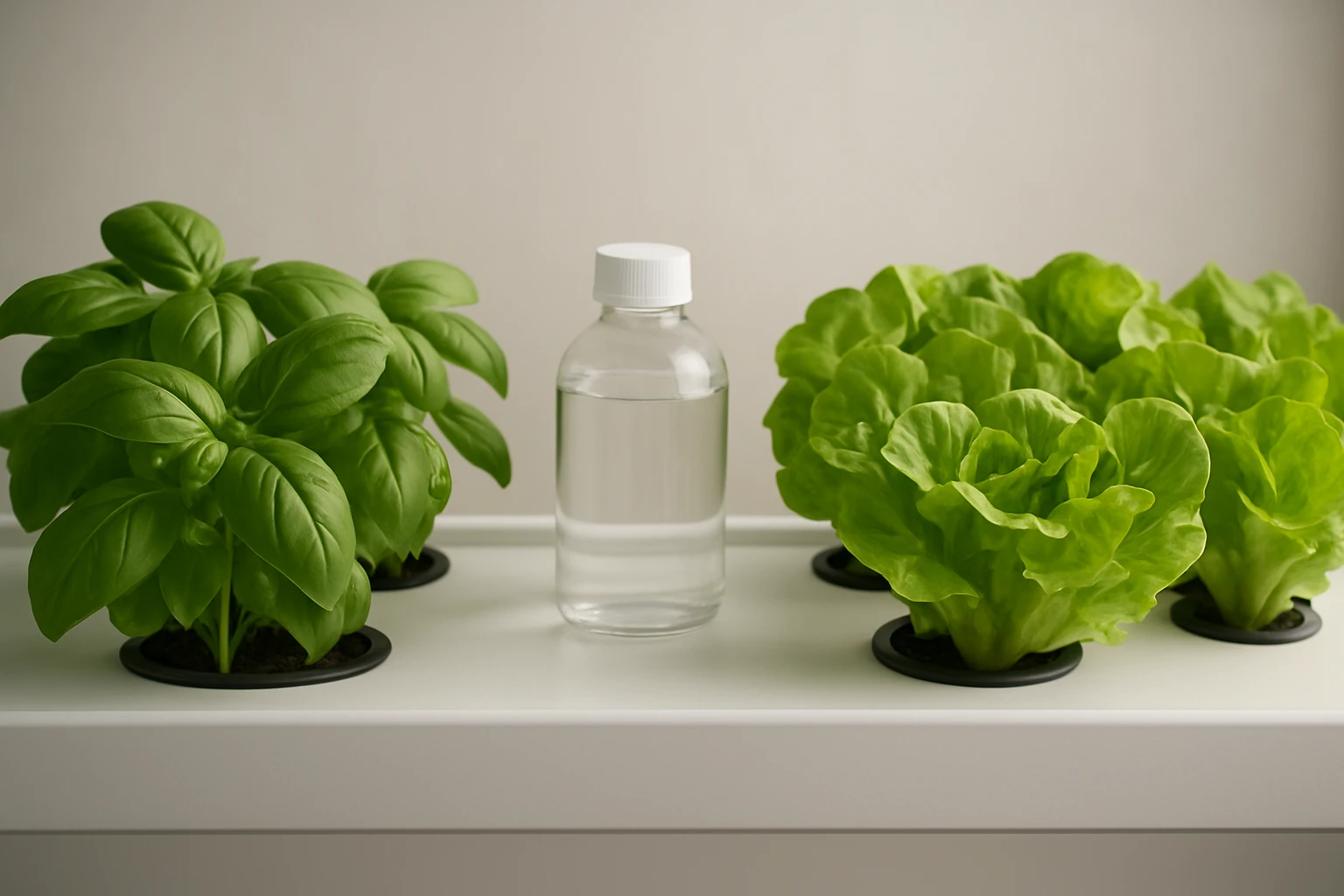
How to Tailor Nutrient Solutions for Hydroponic Herbs vs Leafy Greens
In this guide the reader will learn how to formulate nutrient solutions that meet the distinct physiological demands of hydroponic herbs and leafy greens. Understanding the differences between these plant groups enables the cultivator to maximize flavor, yield, and overall plant health. The article presents a systematic approach, integrates real‑world product recommendations, and provides troubleshooting advice for common challenges. By following the instructions one can achieve consistent, high‑quality harvests while minimizing waste and environmental impact.
What You Will Need
- Clean water source with a measured pH of 5.5–6.5.
- Reservoir container with capacity appropriate for the grow system.
- Stirring implement such as a magnetic stir bar.
- Measuring tools: digital scale, graduated cylinders, and dropper.
- Flora Series Trio – base nutrient system.
- Liquid Kool Bloom – flowering enhancer.
- SUPERthrive – vitamin supplement for stress reduction.
- pH and EC meters for solution monitoring.
- Protective gloves and eye protection.
Step 1: Prepare a Clean Reservoir
The first step is to ensure that the reservoir is free of contaminants that could alter nutrient balance. Rinse the container with a mild, non‑ionic detergent, then rinse thoroughly with deionized water to remove any residue. Fill the reservoir with the desired volume of water, then measure the initial pH and electrical conductivity (EC). Adjust the pH to the target range of 5.5–6.5 using a calibrated pH‑up or pH‑down solution. A stable baseline creates a predictable environment for subsequent nutrient additions.
Step 2: Establish a Base Nutrient Profile with the Flora Series Trio
The Flora Series Trio provides a complete macro‑ and micronutrient matrix suitable for the vegetative stage of most hydroponic crops. Begin by adding the concentrated FloraMicro component, which supplies nitrogen, calcium, and trace minerals essential for leaf development. Stir the solution thoroughly to ensure complete dissolution. Next, introduce FloraGrow to supply additional nitrogen and potassium for structural growth, followed by FloraBloom if the crop will transition to a reproductive phase. For herbs that are typically harvested before flowering, the grow component is emphasized, whereas leafy greens benefit from a balanced ratio of grow and micro nutrients.
According to the product information, the Flora Series Trio is priced at $25.59, carries a rating of 4.7 out of 5 stars based on 2,158 reviews, and is stocked by General Hydroponics Store. Its comprehensive formulation reduces the need for multiple separate supplements, thereby simplifying the mixing process.
Step 3: Adjust Macronutrient Ratios for Herbs
Herbs such as basil, cilantro, and mint allocate a larger proportion of photosynthate to essential oil production rather than rapid leaf expansion. To encourage aromatic compound synthesis, increase the potassium (K) concentration slightly while maintaining nitrogen (N) at moderate levels. A typical adjustment is to raise the EC by 0.2–0.3 mS cm beyond the base level established in Step 2. This modest increase promotes the development of flavorful foliage without inducing excessive vegetative growth.
If a grower wishes to enhance the aromatic profile further, a targeted addition of the Liquid Kool Bloom can be beneficial during the late vegetative stage. Although marketed for flowering, the product contains compounds that stimulate the synthesis of secondary metabolites, including essential oils. Add 5 ml of Liquid Kool Bloom per 10 gallon of solution, stir well, and monitor EC to avoid over‑concentration.
The Liquid Kool Bloom is priced at $25.59, holds a 4.7‑star rating from 2,158 reviewers, and is currently in stock. Its formulation encourages abundant flowering and boosts production of essential oils, making it an appropriate tool for herb cultivators seeking heightened aroma.
Step 4: Optimize Nutrient Balance for Leafy Greens
Leafy greens such as lettuce, spinach, and kale prioritize rapid leaf expansion and chlorophyll synthesis. Consequently, a higher nitrogen concentration relative to potassium is desirable. Adjust the EC upward by 0.3–0.5 mS cm from the base level, emphasizing the nitrogen component of the FloraGrow additive. Maintain the pH within the 5.8–6.2 window to maximize nitrogen uptake.
Because leafy greens are harvested repeatedly, it is advantageous to incorporate a low‑dose vitamin supplement that supports root vigor and reduces transplant shock. The SUPERthrive solution provides vitamin B1 and plant hormones that strengthen root systems. Add one drop per 4 oz of water, or 1/4 teaspoon per gallon, and mix thoroughly. This dosage supplies the necessary micronutrients without overwhelming the plant’s metabolic pathways.
The SUPERthrive costs $27.99, enjoys a 4.8‑star rating from 2,371 reviews, and is readily available. Users report rapid recovery from transplant stress and visibly greener foliage, which aligns with the goals of leafy‑green production.
Step 5: Incorporate Growth Enhancers at the Appropriate Stage
Both herbs and leafy greens benefit from periodic supplementation with growth enhancers, but timing differs. For herbs, introduce the Liquid Kool Bloom during the final week before harvest to intensify essential oil concentration. For leafy greens, apply the SUPERthrive solution every two weeks to sustain root health and mitigate nutrient fatigue.
When adding any supplement, always record the exact volume added, re‑measure EC, and adjust if necessary. Maintaining a log helps identify trends and prevents accidental over‑dosing, which can lead to nutrient lockout or leaf burn.
Tips & Pro Tips
- Use a calibrated digital scale for all nutrient measurements; small errors compound over large volumes.
- Conduct a weekly flush of the system with plain water to prevent salt buildup, especially when using concentrated additives.
- Monitor leaf color and growth rate; a yellowing tip often indicates a potassium deficiency, while pale overall foliage suggests nitrogen shortage.
- Maintain water temperature between 65°F and 75°F to optimize nutrient uptake and reduce the risk of root disease.
- When working with herbs that are sensitive to excess nitrogen, consider a brief dip in a diluted Liquid Kool Bloom solution to boost aromatic compounds without promoting excessive leaf growth.
Troubleshooting
| Problem | Possible Cause | Solution |
|---|---|---|
| Leaf tip burn | Excess EC or high potassium | Flush system with fresh water, reduce potassium‑rich additives, and re‑check EC. |
| Pale foliage | Insufficient nitrogen | Increase FloraGrow concentration by 10 %, then monitor response. |
| Stunted growth | pH out of optimal range | Adjust pH to 5.8–6.2 using calibrated pH‑up or pH‑down solutions. |
| Transplant shock symptoms | Lack of root hormones | Apply SUPERthrive at recommended dosage for one week. |
Conclusion
By following the systematic approach outlined in this guide one can tailor nutrient solutions that address the unique requirements of hydroponic herbs and leafy greens. The integration of a balanced base nutrient system, targeted macronutrient adjustments, and selective use of growth enhancers ensures optimal flavor, yield, and plant vigor. Continuous monitoring of pH, EC, and plant response completes the feedback loop, allowing the cultivator to refine the formula over time. Implementing these practices will empower growers to produce high‑quality, market‑ready crops with confidence.
Products Mentioned in This Guide
Frequently Asked Questions
What pH range is optimal for nutrient solutions when growing hydroponic herbs and leafy greens?
Maintain a pH between 5.5 and 6.5 to ensure nutrient availability for both herbs and leafy greens.
How do nutrient concentration (EC) levels differ between herbs and leafy greens?
Herbs generally thrive at EC 1.2‑1.6 mS/cm, while leafy greens prefer a slightly higher EC of 1.5‑2.0 mS/cm.
Which macro‑nutrient ratios should be adjusted for herbs versus leafy greens?
Increase potassium and calcium for leafy greens to promote leaf growth, and keep nitrogen moderate for herbs to preserve flavor without excessive vegetative growth.
Can the same base nutrient (e.g., Flora Series Trio) be used for both plant types?
Yes, the Flora Series Trio works for both; just adjust the dilution rates and supplemental calcium‑magnesium as needed for each crop.
What are common troubleshooting signs of nutrient imbalance in hydroponic herbs versus leafy greens?
Herbs show wilting and loss of aroma when nitrogen is low, while leafy greens exhibit yellowing edges and stunted growth when potassium is deficient.