
How to Sell Hydroponic Herbs Legally: State Health Codes, Permits & Food Safety Guide
Introduction
The market for fresh, locally grown herbs has expanded dramatically as consumers seek healthier, sustainable food options. Selling hydroponic herbs can be profitable, but it requires strict compliance with state health regulations, proper permitting, and rigorous food‑safety protocols. This guide explains the regulatory landscape, outlines the steps to obtain necessary licenses, and provides actionable best‑practice tips. Readers will also discover which starter kits simplify compliance and improve crop quality.
By the end of this article, entrepreneurs will understand how to navigate legal requirements, select the right equipment, and maintain safety standards that protect both customers and the business.
Background & Context
Hydroponic cultivation uses nutrient‑rich water solutions instead of soil, allowing growers to produce herbs year‑round in compact spaces. Because the system eliminates soil‑borne pathogens, many jurisdictions treat hydroponic produce similarly to greenhouse‑grown vegetables, but specific health‑code provisions still apply. State departments of agriculture or health often require a food‑establishment license, a separate hydroponic operation permit, and compliance with Good Agricultural Practices (GAP). Failure to meet these standards can result in fines, product recalls, or loss of market access.
Understanding the underlying science helps growers explain compliance to inspectors. Hydroponic systems deliver nutrients directly to plant roots, which means water quality, pH balance, and dissolved oxygen levels are critical control points. These parameters are monitored through sensors, timers, and regular testing, all of which become part of a documented food‑safety plan.
Understanding State Health Codes for Hydroponic Herbs
Each state maintains its own set of health regulations, but common elements include:
- Definition of a "food‑producing establishment" that encompasses indoor farms.
- Requirements for potable water sources and periodic microbial testing.
- Mandates for traceability, including batch records and labeling.
- Sanitation standards for equipment, surfaces, and employee hygiene.
For example, California’s "California Retail Food Code" classifies hydroponic farms as "manufacturing facilities" and obliges owners to submit a Hazard Analysis Critical Control Points (HACCP) plan. New York’s "Food Retail Food Code" requires a separate "Indoor Farm Permit" that verifies the grow‑light spectrum and ventilation meet safety standards.
Compliance officers typically inspect the following during a routine visit:
- Water source documentation and test results for coliform bacteria.
- Sanitation logs for cleaning of grow trays, pumps, and lighting fixtures.
- Temperature and humidity records that demonstrate environmental control.
- Packaging and labeling that include the farm’s license number and harvest date.
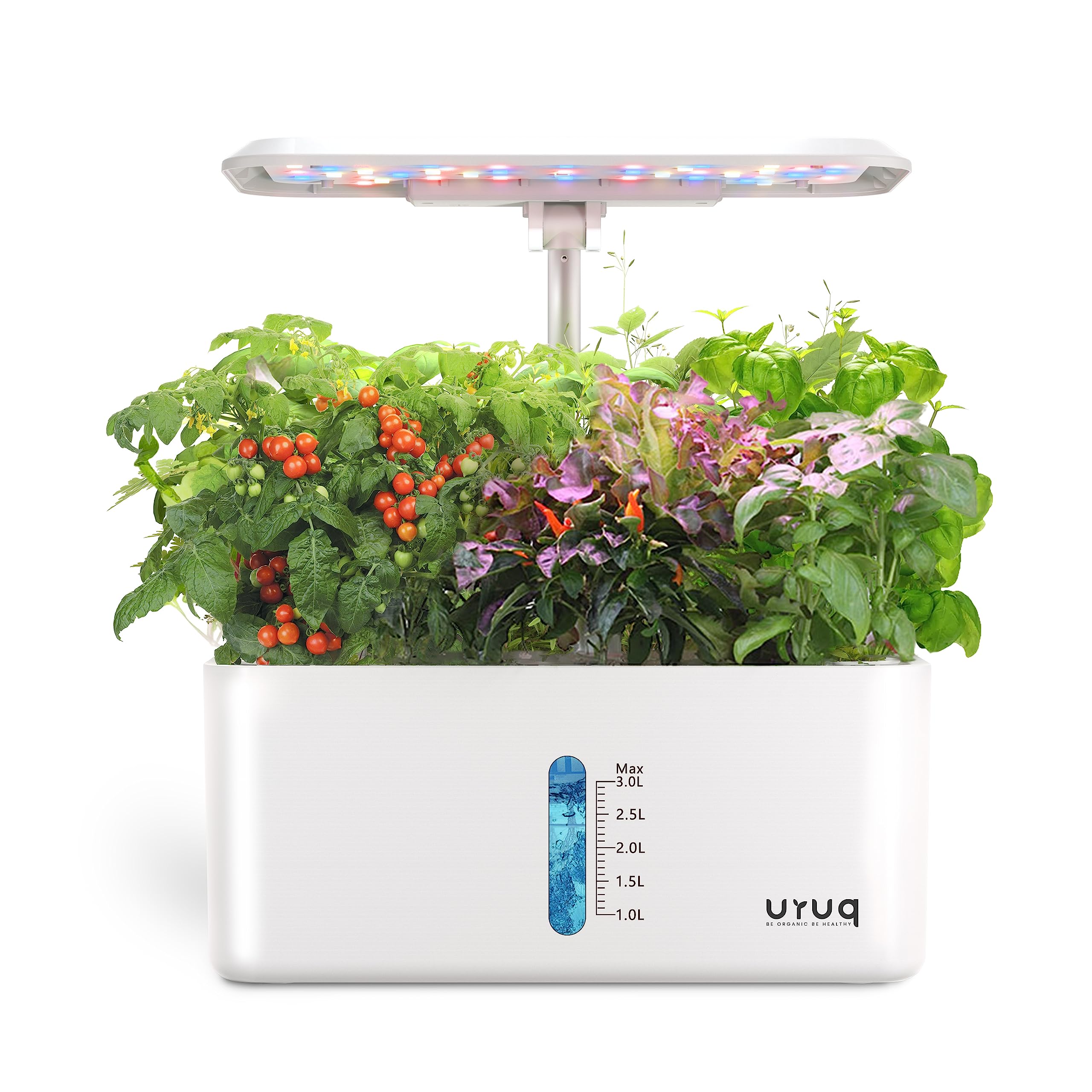
Growers who invest in reliable equipment can streamline these inspections. The URUQ Hydroponics Indoor Garden System offers a quiet smart water pump, an adjustable LED panel, and a clear water‑level window, all of which simplify record‑keeping and reduce the risk of water‑borne contamination.
Permits and Licensing Requirements
Obtaining the correct permits begins with determining the jurisdiction in which the operation will be located. Most states require a general business license, a food‑establishment license, and a specialized hydroponic or indoor‑farming permit. The process typically follows these steps:
- Register the business entity: Form an LLC or corporation and obtain an EIN from the IRS.
- Apply for a food‑establishment license: Submit an application to the state department of agriculture, including floor plans and a description of the hydroponic system.
- Secure a hydroponic permit: Provide details on water recirculation, nutrient formulations, and waste‑disposal methods.
- Complete a food‑safety training: Many states require at least one employee to hold a certified food‑handler card.
- Schedule an inspection: An inspector will verify that the facility meets sanitation, water‑quality, and structural standards.
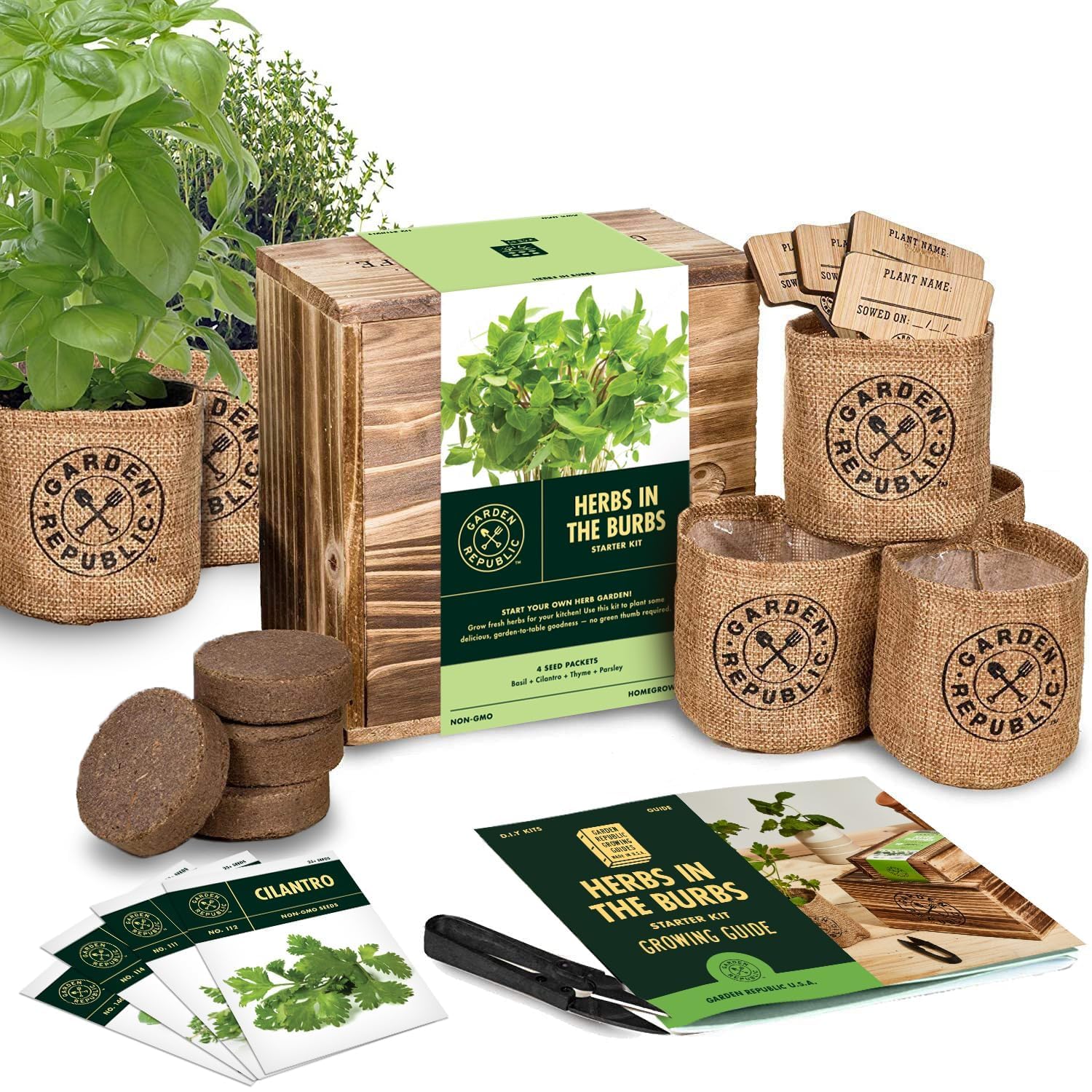
While the paperwork can be daunting, using a modular kit reduces the number of components that must be documented. The Garden Republic Herb Garden Starter Kit includes pre‑measured soil‑free grow bags, a wood box planter, and clear labeling tags, making it easier to produce consistent batch records.
For larger commercial operations, the Click & Grow Indoor Smart Garden provides automated watering cycles and LED lighting that can be programmed to meet specific state‑mandated photoperiods, thereby satisfying lighting‑spectrum documentation requirements.
Food Safety Practices for Hydroponic Production
Even though hydroponic systems eliminate soil, they are not immune to microbial contamination. Implementing a robust food‑safety plan involves several key practices:
- Water quality monitoring: Test water weekly for pH (target 5.5‑6.5) and electrical conductivity (EC) to ensure nutrient balance. Use a certified laboratory for coliform testing at least monthly.
- Sanitation protocols: Clean and sanitize all reusable components—such as grow bags, pumps, and trays—using a food‑grade sanitizer (e.g., 200 ppm chlorine solution) after each harvest cycle.
- Employee hygiene: Require hand‑washing stations, disposable gloves, and hairnets. Document compliance with a daily log.
- Traceability records: Assign a unique batch number to each harvest, record the seed source, nutrient mix, and water test results, and retain records for at least two years.
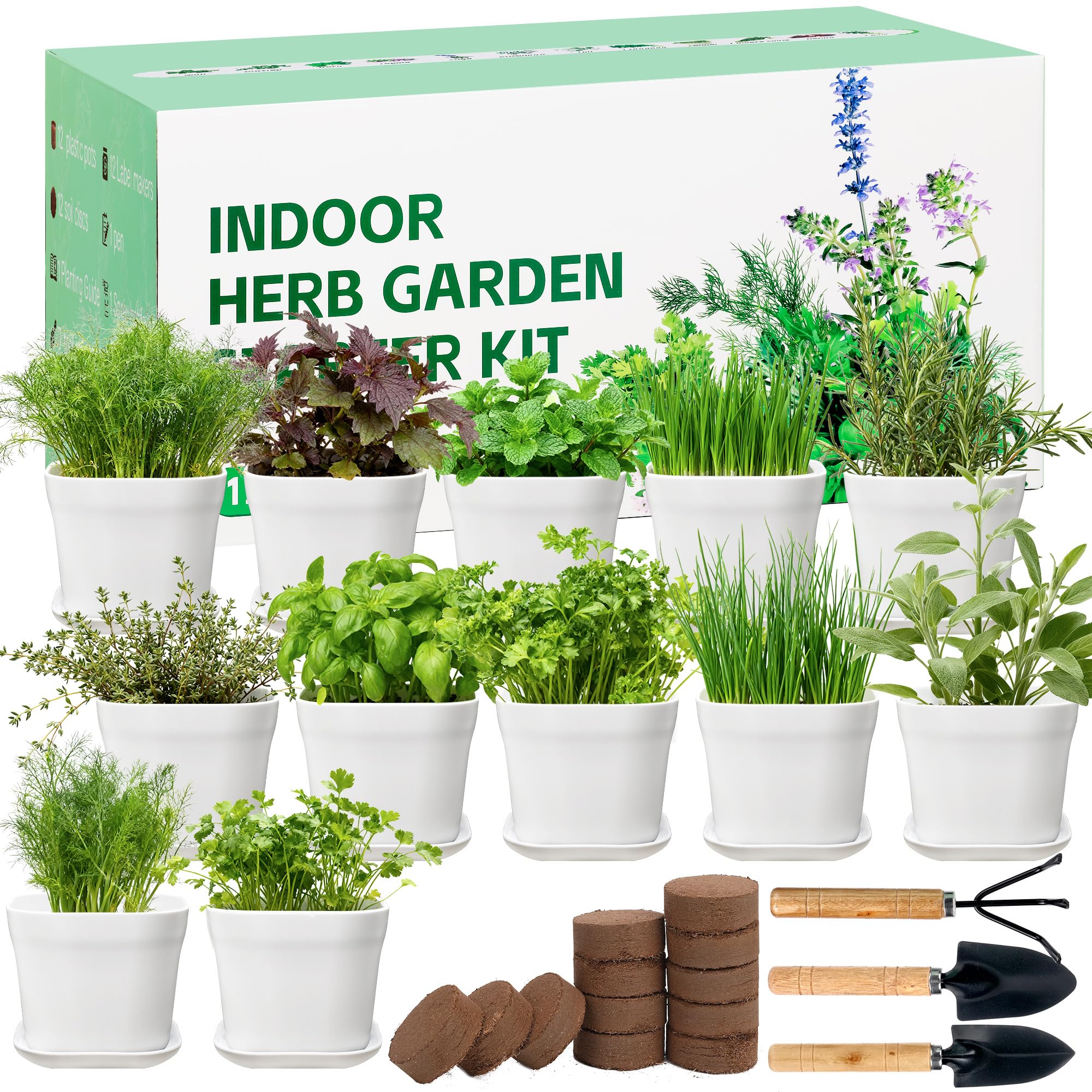
The BuggyBeds 12 Herb Garden Kit includes a built‑in soil tester and a sprayer, enabling growers to monitor moisture levels and apply sanitizing solutions without purchasing separate equipment.
By integrating these practices into daily operations, growers can demonstrate compliance during inspections and build consumer confidence in the safety of their herbs.
Comparison & Selection Guide
| Product | Key Features | Ideal For | Price & Rating |
|---|---|---|---|
| Garden Republic Herb Garden Starter Kit | Four heirloom, non‑GMO seed packets; burlap grow bags; wood box planter; expert support community. | Beginner growers who need a complete, low‑tech package. | Price not listed; highly rated for support and ease of use. |
| BuggyBeds 12 Herb Garden Kit | 12 reusable plastic pots, nutrient discs, soil tester, sprayer, step‑by‑step guide. | Small‑scale commercial growers who want quantitative testing tools. | $17.99, 3.5/5 rating (27 reviews). |
| URUQ Hydroponics Indoor Garden System | 8‑pod hydroponic tower, 24‑W adjustable LED, <20 dB water pump, 3 L transparent tank. | Mid‑size operations that need precise environmental control. | Price not listed; praised for quiet operation and fast growth. |
| Click & Grow Indoor Smart Garden | Self‑watering planter, LED light, over 50 pre‑seeded pods, app‑controlled cycles. | Tech‑savvy growers seeking automation and scalability. | $124.95, 4.6/5 rating (2,362 reviews). |
When selecting a system, consider the scale of production, required documentation, and budget. For strict regulatory compliance, a hydroponic system with automated monitoring (e.g., URUQ) reduces manual record‑keeping, while a simpler soil‑free kit (e.g., Garden Republic) is sufficient for cottage‑industry sales.
Best Practices & Tips
- Maintain a dedicated water source that is separate from household plumbing to avoid cross‑contamination.
- Implement a digital logbook that timestamps pH, EC, and temperature readings; many growers use spreadsheet templates approved by state agencies.
- Schedule quarterly third‑party audits to verify that internal SOPs align with state health codes.
- Label every batch with a QR code that links to an online traceability page; this satisfies emerging consumer‑privacy expectations.
- Rotate crops seasonally to prevent nutrient depletion and to demonstrate proactive pest‑management practices.
Frequently Asked Questions
1. Do I need a separate license to sell hydroponic herbs?
Yes. Most states require a general food‑establishment license plus a specific indoor‑farm or hydroponic permit. The exact names vary, but both are mandatory for commercial sales.
2. Can I sell herbs directly to restaurants without a retail license?
Often, a wholesale exemption exists if the buyer is a licensed food‑service establishment. However, you must still meet state health‑code requirements and provide a certificate of analysis for each batch.
3. How often must I test water for pathogens?
At minimum, monthly coliform testing is required in most jurisdictions. Some states mandate weekly testing during peak production periods.
4. Is a hydroponic system considered a "food‑processing" operation?
Yes, because the system manipulates nutrients and water to produce a food product. Consequently, HACCP or GAP plans are applicable.
5. What documentation is needed for traceability?
Batch numbers, seed source, nutrient recipe, water‑test results, harvest date, and distribution records must be retained for at least two years.
6. Can I use non‑GMO seeds to satisfy organic certification?
Non‑GMO seeds are a prerequisite, but organic certification also requires that all inputs (nutrients, pest controls) meet organic standards. Verify with your certifying agency.
7. Does the size of the LED light affect compliance?
Some states require documentation of light spectrum and intensity to ensure plants receive appropriate growth conditions. Adjustable LED units, such as those in the URUQ system, simplify this documentation.
Conclusion
Selling hydroponic herbs legally demands a clear understanding of state health codes, diligent permitting, and rigorous food‑safety practices. By selecting equipment that supports documentation—such as the URUQ Hydroponics Indoor Garden System—growers can streamline compliance and focus on delivering high‑quality, fresh herbs to consumers.
Adhering to the best practices outlined in this guide will not only protect the business from regulatory penalties but also build consumer trust, a critical factor for long‑term success in the competitive herb market.
Products Featured in This Guide
Garden Republic Herb Garden Starter Kit
Price: Not listed | Rating: Not listed
Featured because it provides a complete, low‑tech starter package with heirloom, non‑GMO seeds, grow bags, and a supportive online community—ideal for beginners establishing compliant record‑keeping.
BuggyBeds 12 Herb Garden Kit
Price: $17.99 | Rating: 3.5/5 (27 reviews)
Featured for its built‑in soil tester, sprayer, and reusable pots, which help small growers monitor water quality and maintain sanitation logs required by state health codes.
URUQ Hydroponics Indoor Garden System
Price: Not listed | Rating: Not listed
Featured for its quiet smart pump, adjustable LED panel, and transparent water tank, which simplify compliance with water‑quality testing and documentation.
Click & Grow Indoor Smart Garden
Price: $124.95 | Rating: 4.6/5 (2,362 reviews)
Featured because its automated watering and lighting cycles support consistent batch records, making it suitable for growers seeking scalable, tech‑driven compliance solutions.