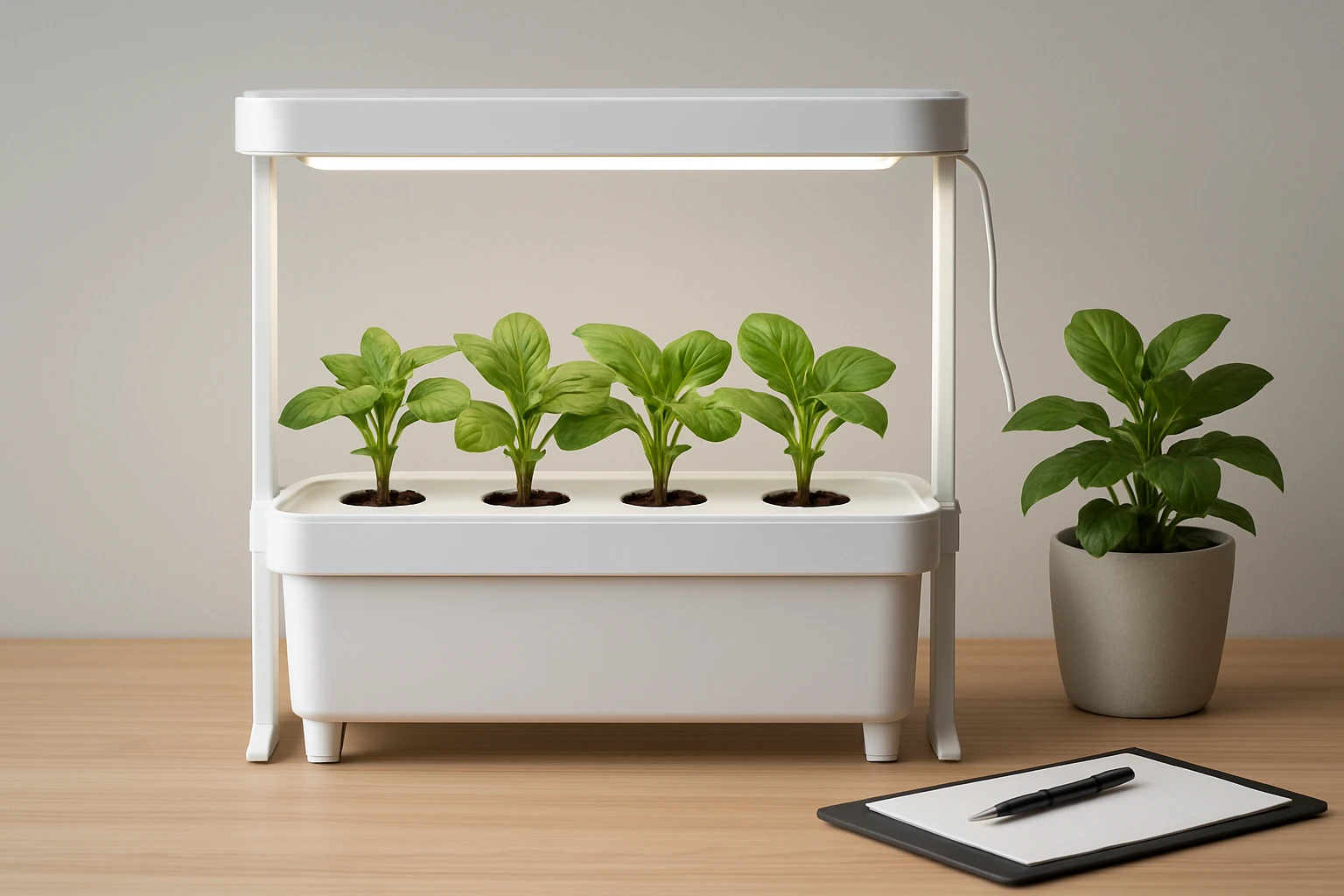

How to Sell a Used Hydroponic System: The Complete Marketplace Guide to Pricing, Prep & Top Platforms
Introduction
In recent years, indoor gardening has moved from a niche hobby to a mainstream lifestyle choice. Many enthusiasts upgrade their equipment, leaving functional but used hydroponic systems on the shelf. This guide explains how to evaluate the market value of a used system, prepare it for resale, and select the most effective selling platform. Readers will gain actionable knowledge that reduces time on market while maximizing profit.
The article also integrates two highly rated products that illustrate the standards of quality buyers expect. By understanding both the theoretical and practical aspects, sellers can approach the process with confidence and authority.
Background and Context
Hydroponics is a method of growing plants without soil, using nutrient‑rich water solutions delivered directly to the roots. The technology relies on controlled lighting, water circulation, and precise nutrient dosing. Because these systems combine electronics, plumbing, and horticultural science, they retain value after initial use.
Key components that influence resale value include the type of grow light (full‑spectrum LED versus fluorescent), the capacity of the water reservoir, and the modularity of planting pods. Buyers often look for systems that are easy to assemble, energy efficient, and capable of supporting a variety of crops.
Understanding these fundamentals enables sellers to highlight the most compelling features in their listings, thereby attracting serious buyers rather than casual browsers.
Pricing Your Used Hydroponic System
Accurate pricing begins with market research. Sellers should browse recent listings on eBay, Facebook Marketplace, and specialized gardening forums to gauge the average asking price for comparable models. Consider the original retail price, the condition of the unit, and any accessories that remain.
For a system originally priced at $66.49 with a 4.6‑star rating from over three thousand reviews, such as the Ahopegarden Indoor Hydroponics System, a reasonable depreciation range is 30‑45 percent, depending on wear and completeness of parts.
Conversely, the VIVOSUN Hydroponics System 108 Plant Sites commands a higher baseline because of its larger capacity and professional‑grade PVC construction. Although the exact price is not listed, comparable kits sell for $180‑$220 new; a fair used price would fall between $110 and $140.
When setting a price, include a brief justification in the description, referencing the system’s rating, features, and any recent maintenance performed.
Preparing the System for Sale
First, clean all components thoroughly. Remove any plant residue, algae, or mineral buildup from the reservoir, tubes, and grow lights. Use a mild detergent and a soft brush, followed by a rinse with distilled water to avoid leaving soap films.
Second, verify that the electrical components operate correctly. Plug the LED grow light into a power source and confirm that the timer cycles as advertised (16‑hours‑on, 8‑hours‑off for the Ahopegarden model). For the VIVOSUN system, test the pump and timer settings to ensure the nutrient film circulates at the intended interval.
Third, gather all original accessories, manuals, and packaging if still available. Providing the original user guide adds perceived value and reduces buyer uncertainty.
Finally, take high‑quality photographs in natural light. Capture the system from multiple angles, focusing on the LED panel, water level window, and adjustable light post for the Ahopegarden unit, and the three‑layer pipe arrangement for the VIVOSUN kit.
Choosing the Right Marketplace
Each selling platform offers distinct advantages. The table below summarizes key considerations for five popular venues.
| Platform | Audience Reach | Fees | Ideal For | Typical Sale Time |
|---|---|---|---|---|
| eBay | Global | 10% final value fee | Buyers seeking detailed listings and buyer protection | 5‑10 days |
| Facebook Marketplace | Local | None | Quick local transactions, cash or digital payment | 1‑3 days |
| Craigslist | Local | None | Low‑tech audience, straightforward listings | 2‑7 days |
| Amazon Marketplace (Used) | Global | 15% referral fee | Buyers accustomed to Amazon’s trust signals | 7‑14 days |
| Specialized Gardening Forums | Niche | Usually none | Enthusiasts who understand technical specifications | Variable |
For sellers who prioritize speed and low fees, Facebook Marketplace and Craigslist are optimal. For those who can afford a modest fee in exchange for broader exposure and buyer protection, eBay and Amazon Marketplace are preferable.
Comparison and Selection Guide
The following comparison helps a seller decide which system to list first based on target buyer profile.
- Space‑Constrained Urban Growers: The Ahopegarden Indoor Hydroponics System offers a compact countertop footprint, ten individual pods, and an adjustable light post that fits kitchen counters.
- Commercial‑Scale or Hobbyist Expansion: The VIVOSUN Hydroponics System 108 Plant Sites provides three layers of PVC‑U pipes, supporting over one hundred plants simultaneously, making it ideal for larger indoor farms or educational settings.
- Budget‑Sensitive Buyers: The Ahopegarden system’s lower entry price and high rating (4.6/5) make it attractive for first‑time indoor gardeners.
- Technical Enthusiasts: The VIVOSUN kit’s timer, pump, and modular pipe design appeal to users who enjoy customizing nutrient flow and plant spacing.
Best Practices & Tips for a Successful Sale
1. Write a Detailed Title: Include brand, model, condition, and key features (e.g., "Ahopegarden Indoor Hydroponics System – 10‑Pod, LED Light, Excellent Condition").
2. Provide Transparent Condition Notes: Mention any scratches, missing parts, or repairs performed. Honesty reduces the likelihood of disputes.
3. Use High‑Resolution Images: Include close‑ups of the LED panel, water level window, and timer settings. Images should be at least 1200 × 800 pixels.
4. Offer a Quick Response Window: Answer buyer inquiries within a few hours to maintain momentum and demonstrate professionalism.
5. Include Shipping Options: For larger items like the VIVOSUN system, consider local pickup only. For the Ahopegarden unit, offer flat‑rate shipping with insurance.
6. Leverage Social Proof: Quote the product’s rating and number of reviews (e.g., "4.6‑star rating from 3,199 verified buyers"). This reassures potential purchasers of the system’s reliability.
7. Bundle Accessories: If you have extra nutrient solutions, pH kits, or spare LED panels, list them as add‑ons to increase the overall sale value.
Frequently Asked Questions
- What is a reasonable depreciation rate for a used hydroponic system? Typically, 30‑45 % of the original retail price is appropriate, depending on condition and completeness of accessories.
- Do I need to include the original packaging? While not mandatory, original packaging enhances perceived value and can simplify shipping.
- Can I sell a used system on Amazon? Yes, Amazon allows used equipment listings in the "Garden & Outdoor" category, but sellers must pay a referral fee and comply with Amazon’s condition guidelines.
- How can I verify that the LED light still functions? Plug the unit into a power source and observe the light output for the advertised 16‑hour cycle; replace the bulb only if flickering or dimming occurs.
- Is it safe to ship a hydroponic system with water inside? No, always drain the reservoir completely to prevent leaks and reduce weight.
- What documentation should I provide? Include the original user manual, warranty information (if still valid), and a brief maintenance log.
- How do I handle returns? State a clear return policy in the listing; for local sales, a "no‑return" clause is common, whereas online platforms often require a limited return window.
Conclusion
Selling a used hydroponic system requires a blend of market awareness, meticulous preparation, and strategic platform selection. By pricing competitively, presenting the system with high‑quality visuals, and choosing the marketplace that aligns with the target audience, sellers can achieve swift transactions and optimal returns. The featured products illustrate the standards of performance and durability that buyers seek, reinforcing the importance of thorough cleaning and accurate description.
Applying the best‑practice checklist and FAQ insights will further streamline the process, allowing sellers to focus on the rewarding aspect of facilitating another grower’s success.
Products Featured in This Guide

Ahopegarden Indoor Hydroponics System
Price: $66.49
Rating: 4.6/5.0 (3,199 reviews)
Why featured: This compact, ten‑pod system combines a full‑spectrum LED grow light, adjustable light post, and water‑level window, making it an ideal example of a high‑value, small‑space hydroponic kit for urban gardeners.

VIVOSUN Hydroponics System 108 Plant Sites
Rating: 4/5.0 (1,332 reviews)
Why featured: With three layers of food‑grade PVC‑U pipes supporting 108 planting sites, a built‑in timer, and a durable pump, this system exemplifies a scalable solution for hobbyists and small‑scale commercial growers.
