
Introduction
One will discover how indoor hydroponics can become a low‑carbon, energy‑efficient method for producing fresh food at home. This guide explains the environmental advantages of soilless cultivation, the science behind carbon savings, and practical steps for implementation. Readers will learn how to select equipment that minimizes electricity use, conserves water, and reduces waste while maintaining high yields. By the end of the article one will be equipped to make informed decisions that align personal nutrition goals with climate‑friendly practices.
Background and Context
Traditional agriculture consumes large quantities of water, fertilizer, and diesel‑powered machinery, resulting in significant greenhouse‑gas emissions. Hydroponic systems replace soil with nutrient‑rich water, allowing plants to grow faster and with up to 90% less water than field farming. When the system operates indoors, it eliminates the need for pesticide applications and reduces transportation emissions because the produce is harvested at the point of consumption. Understanding these fundamentals provides the basis for evaluating carbon‑reduction strategies in an indoor setting.
Understanding Indoor Hydroponics and Carbon Reduction
Indoor hydroponics relies on a closed‑loop environment where light, temperature, and nutrients are precisely controlled. By optimizing these variables, plants can achieve a higher photosynthetic efficiency, which translates into faster growth cycles and fewer resources per kilogram of produce. The carbon impact of an indoor system is largely determined by the energy source for lighting and the efficiency of the water‑circulation pump. Selecting components with high luminous efficacy and low power draw is therefore essential for a low‑carbon footprint.
One should also consider the embodied carbon of the equipment itself. Modular designs that use recyclable materials and durable construction extend the product lifespan, spreading the manufacturing emissions over many years of use. When the system is powered by renewable electricity, the operational carbon intensity can approach zero, making indoor hydroponics a compelling option for climate‑conscious households.
Energy‑Efficient Lighting Strategies
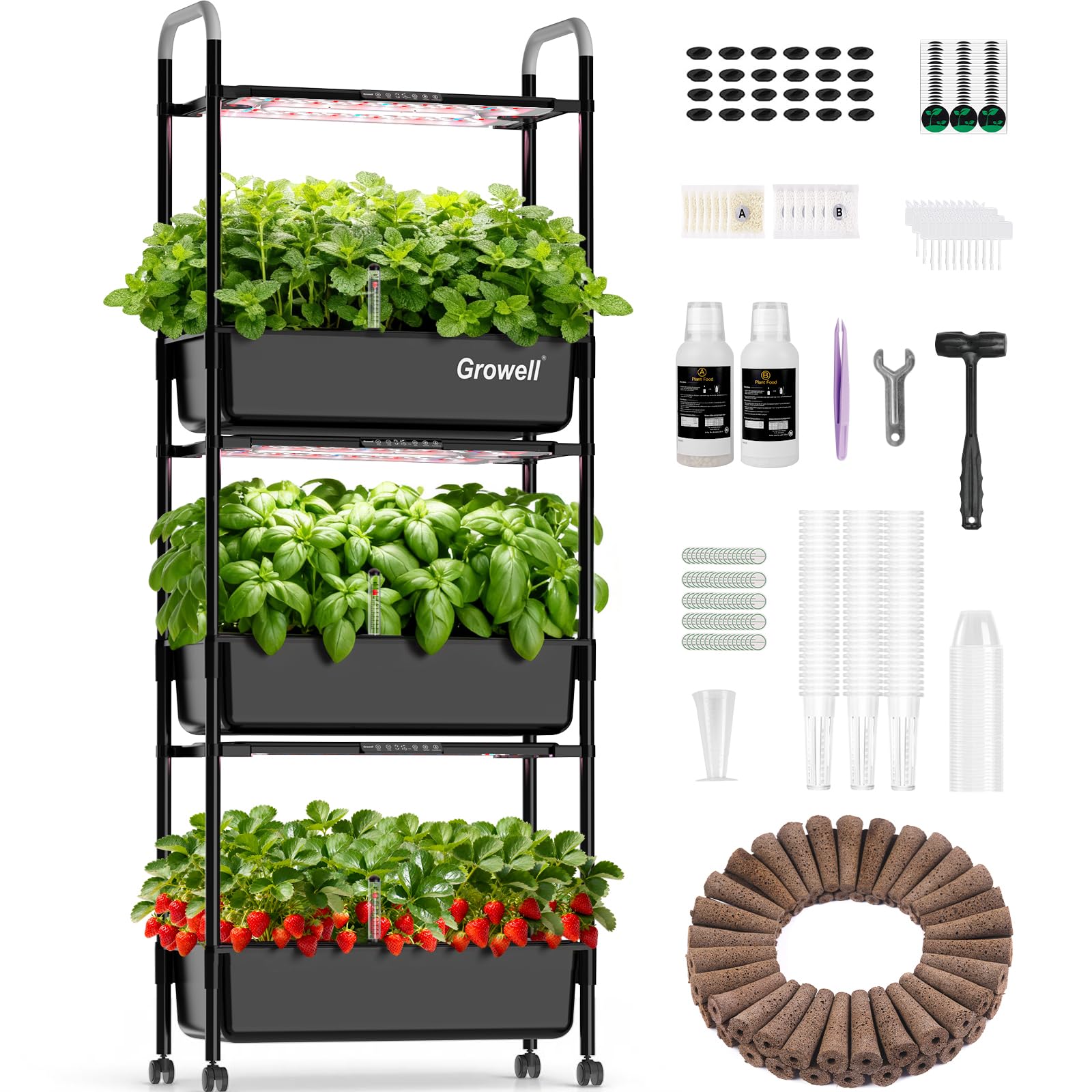
Lighting accounts for the majority of electricity consumption in indoor hydroponics. Full‑spectrum LED panels deliver the specific wavelengths required for photosynthesis while consuming far less power than traditional high‑pressure sodium or fluorescent lamps. The Growell Vertical Hydroponics Kit incorporates 26‑watt full‑spectrum LEDs on each of its three tiers, providing adequate illumination for germination, vegetative growth, and fruiting stages. The adjustable panel height allows users to position the light optimally, reducing wasted photons and further lowering energy demand.
For smaller spaces, the Ahopegarden 10‑Pod Hydroponic Garden offers a 16‑hour on/8‑hour off timer that automates the photoperiod, ensuring lights are only active when needed. Its full‑spectrum lamp mimics natural sunlight, supporting rapid growth while maintaining a modest power draw. Users can also employ a dimming schedule that aligns with peak renewable generation periods, thereby reducing reliance on fossil‑based grid electricity.
Water Management and Waste Reduction
Closed‑loop hydroponic systems recycle water through a continuous circulation pump, dramatically decreasing overall consumption. The Growell Vertical Hydroponics Kit features three independent 14‑liter water tanks equipped with silent pumps that recirculate water every thirty minutes, increasing dissolved oxygen and nutrient distribution while cutting water waste by up to eighty percent.
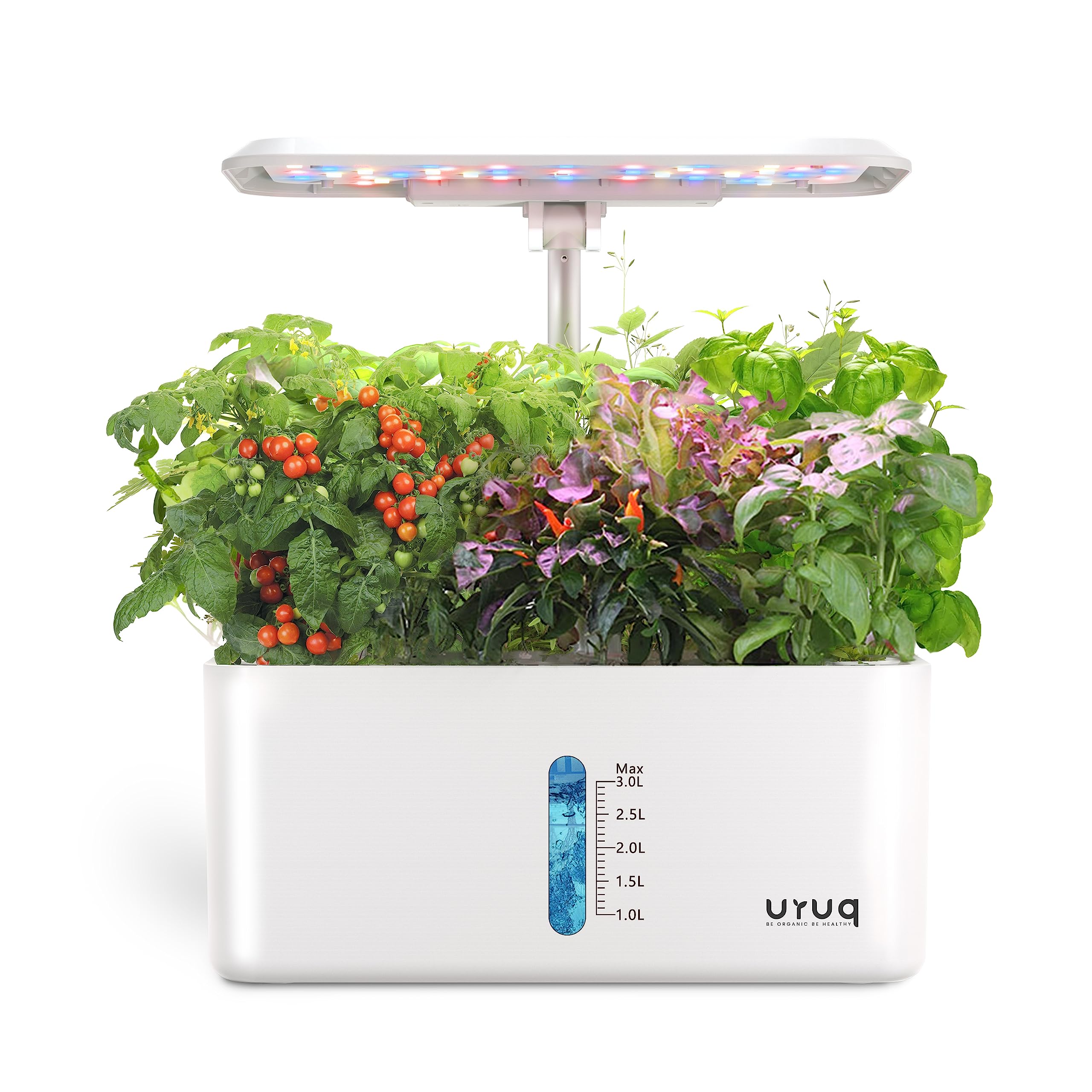
The URUQ 8‑Pod Indoor Hydroponic Garden includes a 3‑liter transparent water reservoir with a built‑in level indicator, allowing users to monitor water volume at a glance and avoid over‑filling. Its ceramic‑core pump operates at less than twenty decibels, delivering efficient aeration without unnecessary energy expenditure. By maintaining optimal water quality, growers reduce the need for chemical additives, thereby lowering the carbon footprint associated with fertilizer production.
Product Recommendations for Low‑Carbon Growing
When selecting a system, one should match the scale of cultivation with the energy and water efficiency of the equipment. For households that wish to grow a wide variety of herbs, vegetables, and small fruits, the Growell Vertical Hydroponics Kit provides an 81‑pod, three‑tier configuration that maximizes vertical space while delivering independent lighting and water circulation for each tier. It is priced at $349.99, holds a rating of 4.4 out of 5 stars from forty‑seven reviews, and includes lockable casters for easy relocation, which can improve light exposure and reduce the need for supplemental heating.
For users with limited countertop space, the Ahopegarden 10‑Pod Hydroponic Garden offers a compact footprint, a water‑level window, and two light modes (vegetable and flower/fruit). Priced at $53.99 with a 4.6‑star rating from three‑thousand‑one‑hundred‑fifty‑seven reviews, it delivers rapid growth while consuming minimal electricity. Its adjustable light post accommodates plants up to fourteen‑point‑five inches, ensuring efficient light utilization throughout the growth cycle.
The Ahopegarden 12‑Pod Hydroponic Garden adds a modern LCD touchscreen for one‑touch control, an adjustable height of up to seventeen inches, and a five‑liter water tank. At $59.99 and a 4.6‑star rating from eight‑hundred‑ninety‑three reviews, it balances advanced technology with user‑friendly operation, making it suitable for tech‑savvy gardeners who value precise environmental monitoring.
The most budget‑friendly option is the URUQ 8‑Pod Indoor Hydroponic Garden. Priced at $34.16 with a 4.6‑star rating from five‑hundred reviews, it provides a 24‑watt LED light, a quiet ceramic pump, and a detachable light pole for easy cleaning. Its simplicity and low cost make it an excellent entry point for families seeking to introduce children to sustainable food production.
Comparison and Selection Guide
| Feature | Growell 81‑Pod | Ahopegarden 10‑Pod | Ahopegarden 12‑Pod | URUQ 8‑Pod |
|---|---|---|---|---|
| Pods | 81 | 10 | 12 | 8 |
| LED Power (W) | 26 per tier (78 total) | Not specified (low) | Full‑spectrum, adjustable | 24 |
| Water Tank Capacity | 3 × 14 L | Integrated reservoir with level window | 5 L | 3 L |
| Price (USD) | $349.99 | $53.99 | $59.99 | $34.16 |
| Average Rating | 4.4/5 (47 reviews) | 4.6/5 (3,157 reviews) | 4.6/5 (893 reviews) | 4.6/5 (500 reviews) |
One should evaluate the table against personal space, budget, and desired crop variety. Larger systems such as the Growell kit excel in high‑volume production and tiered lighting control, while the URUQ model offers a low‑cost, straightforward entry point. The Ahopegarden models strike a balance between price and technological features, making them suitable for medium‑scale indoor gardens.
Best Practices & Tips for Low‑Carbon Hydroponics
- Schedule lighting to coincide with periods of renewable grid supply or use a timer to limit unnecessary operation.
- Maintain water temperature between 18‑22 °C to reduce the need for additional heating or cooling.
- Use organic nutrient solutions that require lower production energy than synthetic fertilizers.
- Recycle plant waste as compost for outdoor gardens, thereby closing the nutrient loop.
- Regularly clean pump components to ensure efficient water circulation and prevent energy loss.
- Consider insulating the water reservoir to minimize heat loss in colder climates.
- Monitor plant health with a simple pH kit; optimal pH (5.5‑6.5) improves nutrient uptake and reduces waste.
Frequently Asked Questions
Can indoor hydroponics truly reduce household carbon emissions?
Yes, because it eliminates the need for transportation of produce, reduces water usage, and, when powered by renewable electricity, can approach a carbon‑neutral operation.
How much electricity does a typical LED grow light consume?
A full‑spectrum LED panel designed for indoor hydroponics generally consumes between twenty and thirty watts per square foot, which is substantially lower than traditional lighting technologies.
Is the water used in hydroponics recycled?
In a closed‑loop system the water is recirculated continuously, with only occasional top‑ups to replace evaporation losses, resulting in up to ninety percent water savings compared with soil gardening.
Do I need to replace the nutrient solution frequently?
Most growers replace the solution every two to three weeks to maintain optimal nutrient balance and prevent microbial buildup, a practice that supports plant vigor and reduces waste.
Can these systems be used in apartments without natural light?
Yes, the integrated full‑spectrum LEDs provide all the wavelengths required for photosynthesis, allowing successful cultivation in windowless environments.
Conclusion
Indoor hydroponics offers a practical pathway for individuals to lower their carbon footprint while enjoying fresh, nutritious produce year‑round. By selecting energy‑efficient lighting, optimizing water recirculation, and choosing systems that match personal scale, one can achieve significant reductions in greenhouse‑gas emissions. The products highlighted in this guide illustrate how modern technology can be leveraged to create sustainable, low‑carbon food production at home. Implementing the best‑practice recommendations will further enhance environmental benefits and ensure long‑term success.
Products Featured in This Guide
Growell Vertical Hydroponics Kit
Price: $349.99
Rating: 4.4/5 (47 reviews)
Featured because it provides a high‑capacity 81‑pod vertical system with independent LED panels and large water tanks, enabling large‑scale low‑carbon indoor gardening.
Ahopegarden 10‑Pod Hydroponic Garden
Price: $53.99
Rating: 4.6/5 (3,157 reviews)
Featured for its compact footprint, adjustable full‑spectrum light, and water‑level window, making it ideal for beginners seeking energy‑efficient cultivation.
Ahopegarden 12‑Pod Hydroponic Garden
Price: $59.99
Rating: 4.6/5 (893 reviews)
Featured because it adds an LCD touchscreen for precise control, a larger water capacity, and adjustable height, supporting tech‑savvy users who value efficiency.
URUQ 8‑Pod Indoor Hydroponic Garden
Price: $34.16
Rating: 4.6/5 (500 reviews)
Featured as an affordable entry point that delivers quiet water pumping, detachable lighting, and a transparent reservoir for easy monitoring.