
How to Manage Hard Water in Hydroponic Systems: Treating Water, Preventing Scale & Maintaining Nutrient Balance
Introduction
Hard water contains elevated concentrations of calcium and magnesium ions, which can precipitate as scale on hydroponic components and interfere with nutrient uptake. This guide will teach the reader how to identify hard‑water issues, treat water effectively, prevent scale formation, and maintain optimal nutrient balance for healthy plant growth. By following the recommended steps, one can extend the lifespan of pumps, tubing, and reservoirs while preserving the integrity of the nutrient solution. The information is valuable for hobbyists and commercial growers alike because it reduces equipment downtime and improves crop yields.
What You’ll Need
- Water testing kit (pH, EC, hardness)
- Professional‑grade descaling solution (Durgol Multi-Purpose Descaler)
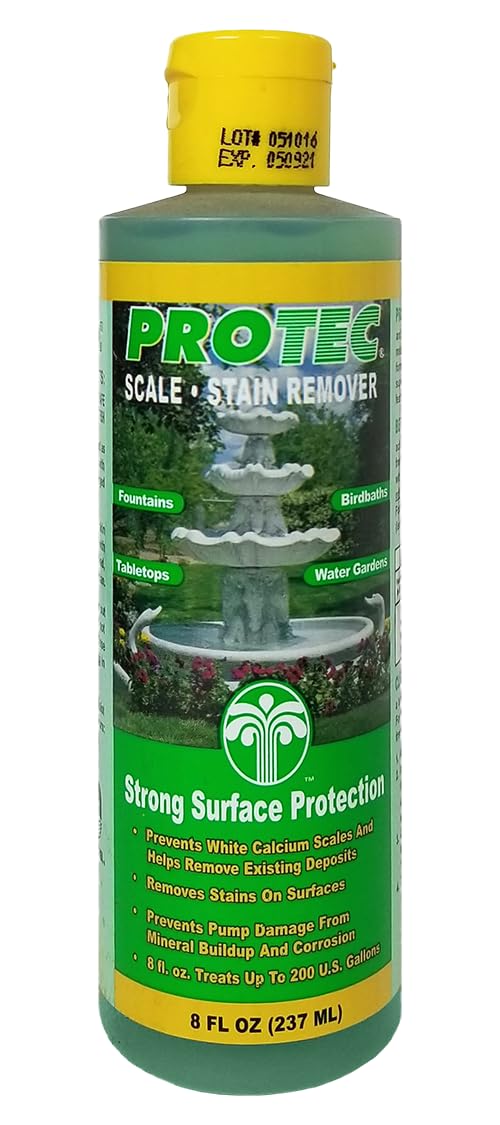
- Scale‑inhibitor concentrate (EASYCARE Scale‑Stain Remover 8 oz) for smaller systems
- Large‑volume scale‑inhibitor (EASYCARE Scale‑Stain Remover 64 oz) for commercial setups
- Reverse‑osmosis (RO) or deionization unit (optional but highly effective)
- Stirring rods, clean containers, and protective gloves
Step 1: Test Your Water Source
The first actionable step is to determine the hardness level of the incoming water. Use a calibrated water testing kit to measure calcium (Ca²⁺) and magnesium (Mg²⁺) concentrations, expressed in ppm or °dH. Record the pH and electrical conductivity (EC) as well, because these parameters influence nutrient solubility. If the hardness exceeds 120 ppm CaCO₃, scale formation is likely and treatment is required before the water enters the hydroponic loop.
Step 2: Choose an Appropriate Water Treatment Method
There are three primary methods to reduce hardness: ion exchange softening, reverse‑osmosis filtration, and chemical descaling. Ion‑exchange units replace calcium and magnesium ions with sodium, but they add sodium to the solution, which may affect certain crops. Reverse‑osmosis removes virtually all dissolved solids, producing near‑pure water; however, it can be costly for large volumes. Chemical descaling, using a product such as Durgol Multi-Purpose Descaler, offers a practical compromise for growers who need to treat water periodically rather than continuously.
Why Durgol? Durgol is a professional‑grade descaler formulated with sulfamic acid, which dissolves calcium carbonate deposits without leaving residue, odor, or aftertaste. It is priced at $13.95, holds a 4.6‑star rating from over 4,000 reviews, and is made in Switzerland, ensuring high quality. The product is versatile and can be used on reservoirs, tubing, and even on the exterior of pumps to remove existing scale before a new batch of water is introduced.
Step 3: Prepare the Descaling Solution
Follow the manufacturer’s instructions on the Durgol label, typically mixing a measured amount of concentrate with a specific volume of water. For a 10‑liter reservoir, one capful (approximately 15 ml) of Durgol diluted in the full volume is sufficient to break down existing calcium deposits. Wear protective gloves, stir the solution thoroughly, and allow it to sit for 10‑15 minutes to ensure full chemical activity.
After the dwell time, flush the system with clean water until the pH stabilizes between 5.5 and 6.5. This step removes any residual acid and prepares the system for the nutrient solution. Regular descaling every 4‑6 weeks prevents scale buildup that could otherwise reduce flow rates and increase pump wear.
Step 4: Apply a Scale‑Inhibitor for Ongoing Protection
While periodic descaling removes existing deposits, a scale‑inhibitor maintains a protective barrier that prevents new scale from forming. For small‑scale hobby systems, the 8‑oz bottle of EASYCARE Scale‑Stain Remover 8 oz is convenient. It contains a non‑acidic, environmentally safe formula that chelates calcium and magnesium, keeping them in solution.
Dosage guidelines recommend adding 1 ml of the 8‑oz concentrate per 100 liters of water, mixed directly into the nutrient reservoir. The product costs $20.83, enjoys a 4.4‑star rating from 1,557 reviewers, and is marketed as safe for fountains, birdbaths, and hydroponic systems alike. Its non‑acidic nature means it will not harm delicate plant roots, making it ideal for continuous use.
Step 5: Use a Larger‑Volume Inhibitor for Commercial Operations
For growers managing hundreds of liters, the 64‑oz bottle of EASYCARE Scale‑Stain Remover 64 oz offers cost‑effective coverage. Priced at $58.00 with the same 4.4‑star rating, it provides the same chelating action at a larger scale. The recommended dosage is 5 ml per 500 liters of water, ensuring that the entire system benefits from the protective layer.
Because the formula is non‑acidic and environmentally safe, it can be applied directly to recirculating systems without the need for a separate flushing step. This reduces labor and minimizes the risk of accidental root burn. Applying the inhibitor after each nutrient change maintains a stable environment for the plants.
Step 6: Monitor Nutrient Balance After Treatment
Hard water can interfere with nutrient availability by precipitating phosphates and micronutrients. After descaling and inhibitor application, re‑measure EC and pH to confirm that the nutrient solution remains within target ranges (EC 1.2‑2.0 mS/cm, pH 5.8‑6.2 for most leafy greens). Adjust the nutrient formula if necessary, adding chelated micronutrients such as iron‑EDTA to compensate for any loss during treatment.
Document each measurement in a logbook, noting the date of descaling, inhibitor dosage, and any adjustments made. Over time, this data will reveal trends and help fine‑tune the maintenance schedule, ensuring that scale never reaches a level that threatens system performance.
Tips & Pro Tips
- Schedule descaling during a system downtime or after a crop harvest to avoid stressing plants.
- Combine Durgol treatment with a short run of the pump at high speed to dislodge stubborn scale from internal surfaces.
- Use a UV‑sterilizer in conjunction with scale inhibitors to prevent bio‑film formation, which can trap minerals.
- Store all chemicals in a cool, dry place away from direct sunlight to preserve efficacy.
- When using reverse‑osmosis, periodically check the membrane for fouling caused by residual hardness; a brief Durgol flush can restore performance.
Troubleshooting
Problem: Persistent white deposits on tubing despite regular descaling.
Solution: Increase the frequency of Durgol treatments to every three weeks and verify that the inhibitor dosage matches the water volume. Consider installing a small inline cartridge filter to capture micro‑particles that act as nucleation sites for scale.
Problem: Nutrient solution EC drops unexpectedly after inhibitor addition.
Solution: The chelating agents may bind certain nutrients, reducing their conductivity contribution. Re‑calibrate the nutrient mix by adding a small amount of concentrated macro‑nutrient solution and retest EC.
Conclusion
Managing hard water in hydroponic systems requires a systematic approach: test water hardness, select an appropriate treatment method, apply a professional descaler such as Durgol Multi-Purpose Descaler, and maintain a protective barrier with EASYCARE Scale‑Stain Remover 8 oz or its larger counterpart. By following the step‑by‑step instructions and monitoring nutrient balance, growers can prevent scale, extend equipment lifespan, and achieve consistent, high‑quality yields. Implement these practices today to protect your investment and ensure thriving hydroponic crops.
Products Mentioned in This Guide
Frequently Asked Questions
How can I determine if my hydroponic water is hard?
Use a water testing kit to measure hardness (calcium/magnesium levels) along with pH and EC readings.
What symptoms indicate hard‑water scale buildup in a hydroponic system?
White crust on pumps, tubing, or reservoir walls and reduced flow rates are common signs.
What are the most effective ways to treat hard water for hydroponics?
Apply a professional‑grade descaling solution or a scale‑inhibitor concentrate, and consider reverse osmosis or ion exchange if hardness is extreme.
How do scale‑inhibitor concentrates prevent equipment damage?
They bind calcium and magnesium ions, keeping them dissolved and stopping them from precipitating as scale on surfaces.
How can I keep nutrient balance stable after softening or treating hard water?
Re‑test EC and pH after treatment and adjust nutrient concentrations to match the plant’s growth stage.