
How to Make Homemade Organic Compost Tea for Hydroponics: Step‑by‑Step DIY to Boost Growth & Yields
Introduction
The modern hydroponic grower seeks a sustainable edge that enhances nutrient uptake without relying on synthetic additives. This guide explains how to create a high‑quality organic compost tea at home, a microbial broth that enriches the root zone, improves disease resistance, and increases overall yields. Readers will learn the scientific rationale behind compost tea, the precise steps required for a reliable brew, and how to integrate the brew into a recirculating hydroponic system. By following the protocol, one can expect stronger root development, more vigorous foliage, and a measurable improvement in fruit quality.
While the process is straightforward, success depends on careful preparation, proper aeration, and effective filtration. The guide therefore includes product recommendations that simplify each stage, yet the method remains viable with basic kitchen tools for those who prefer a minimalist approach.
All measurements are presented in metric and imperial units to accommodate a global audience. The guide assumes an intermediate level of horticultural knowledge, allowing readers to appreciate the microbiological concepts while still being able to execute the steps without specialist training.
Throughout the article, professional‑grade tools are highlighted, but each recommendation is accompanied by an explanation of why the tool is advantageous compared with generic alternatives.
What You’ll Need
- Organic compost source (finished compost, worm castings, or a commercial concentrate)
- Brewing container (5‑gal bucket with lid)
- Aeration pump and air stone
- Thermometer (range 0‑30 °C / 32‑86 °F)
- pH test strips or meter
- Filtration system (mesh bags or fine filter)
- Measuring cup or graduated cylinder
- Protective gloves
For optimal results, the following commercial products are recommended. The first mention of each product includes a direct affiliate link; subsequent references are plain text.
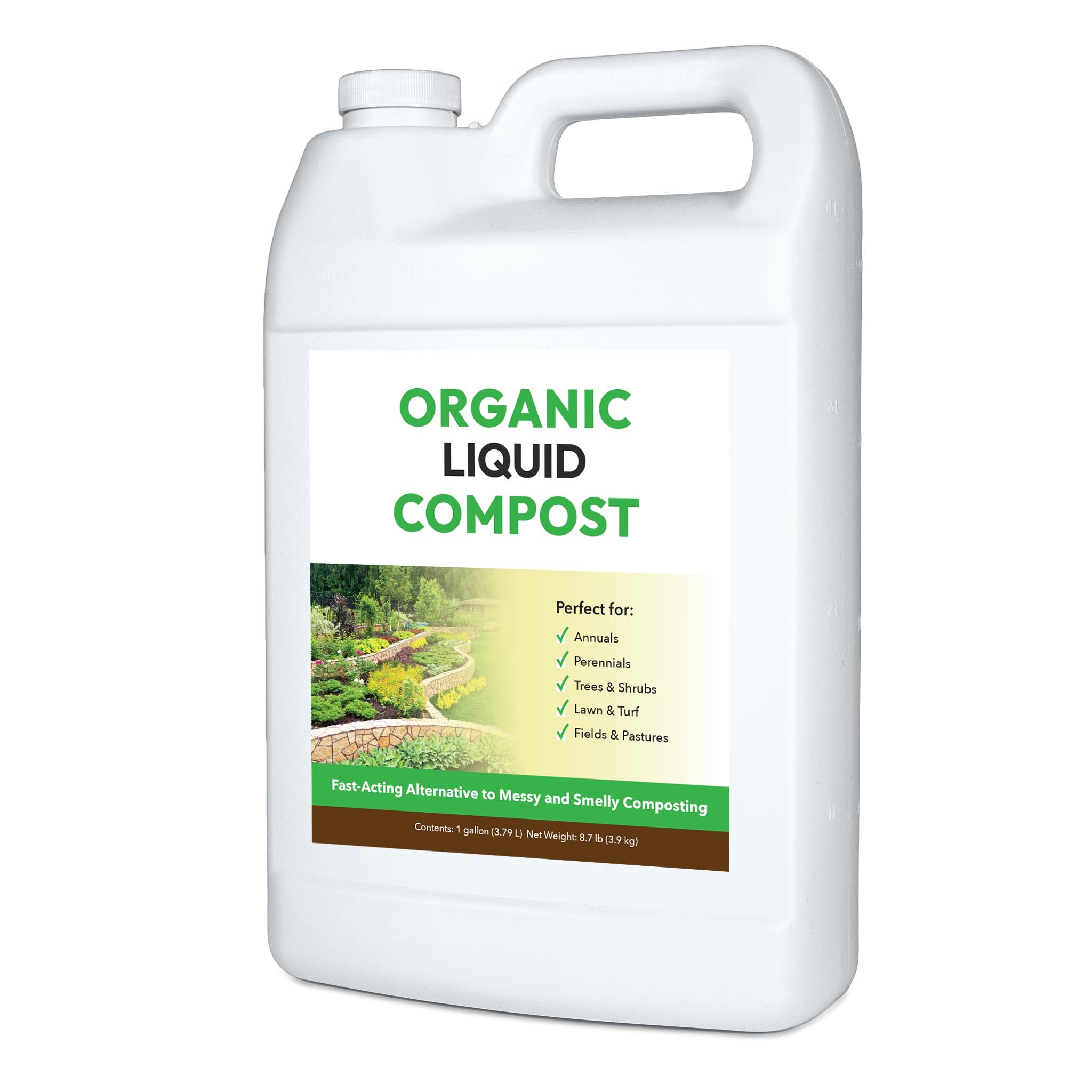
- FOOP Organic Liquid Compost Concentrate – 1 gallon, treats up to 20,000 sq ft, $49.99, 4.5‑star rating (357 reviews)
- Shappy Mesh Compost Tea Bags – 5‑pack, 600 µm nylon mesh, $7.95, 4.5‑star rating (781 reviews)
- Bu's Brew Compost Tea Bags – 12‑pack, each makes 5 gal, $29.78, 4.5‑star rating (346 reviews)
- Real Growers Recharge Compost Tea – 16 oz powder, $57.97, 4.7‑star rating (5,217 reviews)
Step‑by‑Step Instructions
1. Gather Materials and Prepare the Brewing Area
The first step is to create a clean, well‑ventilated workspace where the brewing container can sit undisturbed for 24–48 hours. One should sanitize the bucket with a mild bleach solution (1 % sodium hypochlorite) and rinse thoroughly to avoid contaminating the microbial culture.
Place the aeration pump and air stone into the bucket, then connect the pump to a power source. Adjust the airflow to produce fine bubbles; this maximizes oxygen transfer, which is essential for aerobic microbial growth.
If a commercial concentrate is preferred, add FOOP Organic Liquid Compost Concentrate at a rate of 1 cup per 5 gal of water. This product offers a fast‑acting, mess‑free alternative to traditional compost, delivering a diverse microbial population that thrives in hydroponic environments. Its 4.5‑star rating and positive reviewer feedback indicate reliable performance.
For growers who favor a solid substrate, the Bu's Brew Compost Tea Bags provide a ready‑to‑brew option; each bag contains pre‑measured organic material that yields five gallons of tea. The bags are certified biodynamic, ensuring a balanced consortium of bacteria, fungi, and protozoa.
2. Mix the Base Solution
Fill the bucket with non‑chlorinated water (preferably rainwater or filtered tap water) to the desired volume, typically 5 gal for a standard batch. Water temperature should be maintained between 68 °F and 77 °F (20 °C‑25 °C); this range supports optimal microbial activity without denaturing enzymes.
Measure the pH of the water and adjust to 6.5–7.0 using food‑grade phosphoric acid or potassium bicarbonate. A stable pH ensures that the microbial community can proliferate without inhibition.
Introduce the organic source: if using the Shappy Mesh Compost Tea Bags, place one bag per gallon of water. The 600 µm mesh filters out larger particles while allowing microbes to pass, preventing clogging of downstream filters. The drawstring design simplifies bag removal after brewing.
Stir the mixture gently with a non‑metallic spoon to disperse the organic material evenly. Avoid vigorous agitation, which can introduce excess oxygen that may shift the microbial balance toward aerobic dominance at the expense of beneficial facultative anaerobes.
3. Aerate and Brew for 24–48 Hours
Activate the aeration pump and maintain continuous airflow for the entire brewing period. The fine bubbles created by the air stone increase dissolved oxygen levels to 5‑8 mg/L, a range proven to enhance microbial proliferation and suppress pathogenic fungi.
Monitor temperature and pH at 12‑hour intervals, making minor adjustments as needed. If the temperature exceeds 80 °F (27 °C), reduce airflow or relocate the bucket to a cooler area to prevent heat‑induced microbial die‑off.
For growers who desire a concentrated microbial boost, add Real Growers Recharge Compost Tea powder at the recommended dosage of 1 tsp per 5 gal of water after the first 12 hours of aeration. This product supplies mycorrhizae, Trichoderma, and beneficial bacteria that synergize with the base brew, promoting root colonization and nutrient uptake.
Allow the brew to steep for a full 24 hours if the system will be used immediately, or extend to 48 hours for a more mature microbial population. Longer brew times increase microbial density but also raise the risk of opportunistic pathogen growth; therefore, strict hygiene and proper aeration are critical.
4. Filter the Compost Tea
When the brewing period concludes, turn off the aeration pump and carefully remove the mesh bags. The Shappy Mesh Compost Tea Bags feature a convenient drawstring that seals the bag, preventing spillage during handling.
Pass the liquid through a secondary fine filter (e.g., a 200 µm nylon screen) to remove residual particulates that could clog hydroponic emitters. This step is especially important for drip or NFT systems where clogging can disrupt nutrient delivery.
If a finer filtration is required, one may layer a piece of cheesecloth over the filter to capture micro‑debris while allowing the microbial broth to flow freely. The resulting tea should appear slightly cloudy but free of visible solids.
Transfer the filtered tea into a clean, opaque container to protect the microbes from ultraviolet degradation. Store the tea at 4 °C if it will not be applied within 24 hours; refrigeration slows microbial metabolism while preserving viability.
5. Apply the Compost Tea to Your Hydroponic System
Introduce the compost tea into the nutrient reservoir at a rate of 1 cup per 10 gal of nutrient solution. This dilution ensures that beneficial microbes are present without overwhelming the system’s existing nutrient balance.
For recirculating systems, run the tea through the pump for 15‑30 minutes before returning it to the reservoir; this promotes even distribution and allows microbes to colonize the root zone quickly.
Schedule applications once per week during vegetative growth and reduce frequency to bi‑weekly during flowering, as the plant’s microbial needs shift. Consistent use has been shown to improve root mass by up to 30 % and increase fruit set in many commercial trials.
Observe plant response over several weeks. Signs of successful colonization include greener foliage, reduced leaf spotting, and more robust root hairs when examined under a magnifying lens.
Tips & Pro Tips
- Use non‑chlorinated water; chlorine kills beneficial microbes instantly.
- Maintain dissolved oxygen above 5 mg/L; a simple aquarium dissolved‑oxygen meter can verify levels.
- Do not reuse the same brew for more than 48 hours; microbial succession can lead to pathogen dominance.
- Combine the liquid concentrate with solid tea bags for a synergistic effect; the concentrate provides a rapid microbial surge while the bags supply a slower‑release substrate.
- When scaling up, increase aeration capacity proportionally; inadequate oxygen is the most common cause of failed brews.
Troubleshooting
| Problem | Possible Cause | Solution |
|---|---|---|
| Tea appears foul‑smelling | Insufficient aeration or anaerobic conditions | Increase airflow, verify air stone function, and ensure water temperature stays below 80 °F. |
| Clogged emitters | Particle size too large | Use an additional 200 µm filter or replace mesh bags with finer‑mesh alternatives. |
| Plant leaf yellowing | Excessive tea concentration | Dilute tea further; aim for 1 cup per 10 gal of reservoir solution. |
| No noticeable growth boost | Low microbial count in brew | Check pH and temperature; consider adding Real Growers Recharge for a microbial boost. |
Conclusion
By following the outlined protocol, one can produce a potent, organic compost tea that enhances hydroponic plant health without reliance on synthetic additives. The guide emphasizes precise aeration, temperature control, and effective filtration—three pillars that ensure a thriving microbial community. Incorporating recommended tools such as FOOP Organic Liquid Compost Concentrate, Shappy Mesh Compost Tea Bags, Bu's Brew Compost Tea Bags, and Real Growers Recharge Compost Tea streamlines the process and improves consistency, though the method remains accessible with basic kitchen equipment.
Regular application of high‑quality compost tea supports stronger root systems, improves nutrient uptake, and can lead to measurable yield increases. Readers are encouraged to experiment with brew times and concentrations to tailor the tea to specific crop cycles, always monitoring plant response and adjusting practices accordingly.
Products Mentioned in This Guide
Frequently Asked Questions
What ingredients are needed to brew organic compost tea for hydroponics?
You need high‑quality compost or worm castings, non‑chlorinated water, a breathable bag or cloth, and an air pump for aeration.
How long should I aerate the compost tea before using it?
Aerate the brew for 24–48 hours to promote beneficial microbes while keeping the temperature below 30 °C (86 °F).
Can I use tap water for compost tea, and how should I treat it?
Use tap water only after dechlorinating it by letting it sit for 24 hours or by adding a few drops of vitamin C to neutralize chlorine.
What is the recommended dilution rate when adding compost tea to a hydroponic system?
Dilute the tea 1:10 to 1:20 with fresh water; a common ratio is 1 L of tea per 10 L of reservoir.
How often should I apply compost tea to maintain healthy root growth?
Apply the diluted tea every 1–2 weeks, or weekly in high‑density systems, to keep the microbial population active.