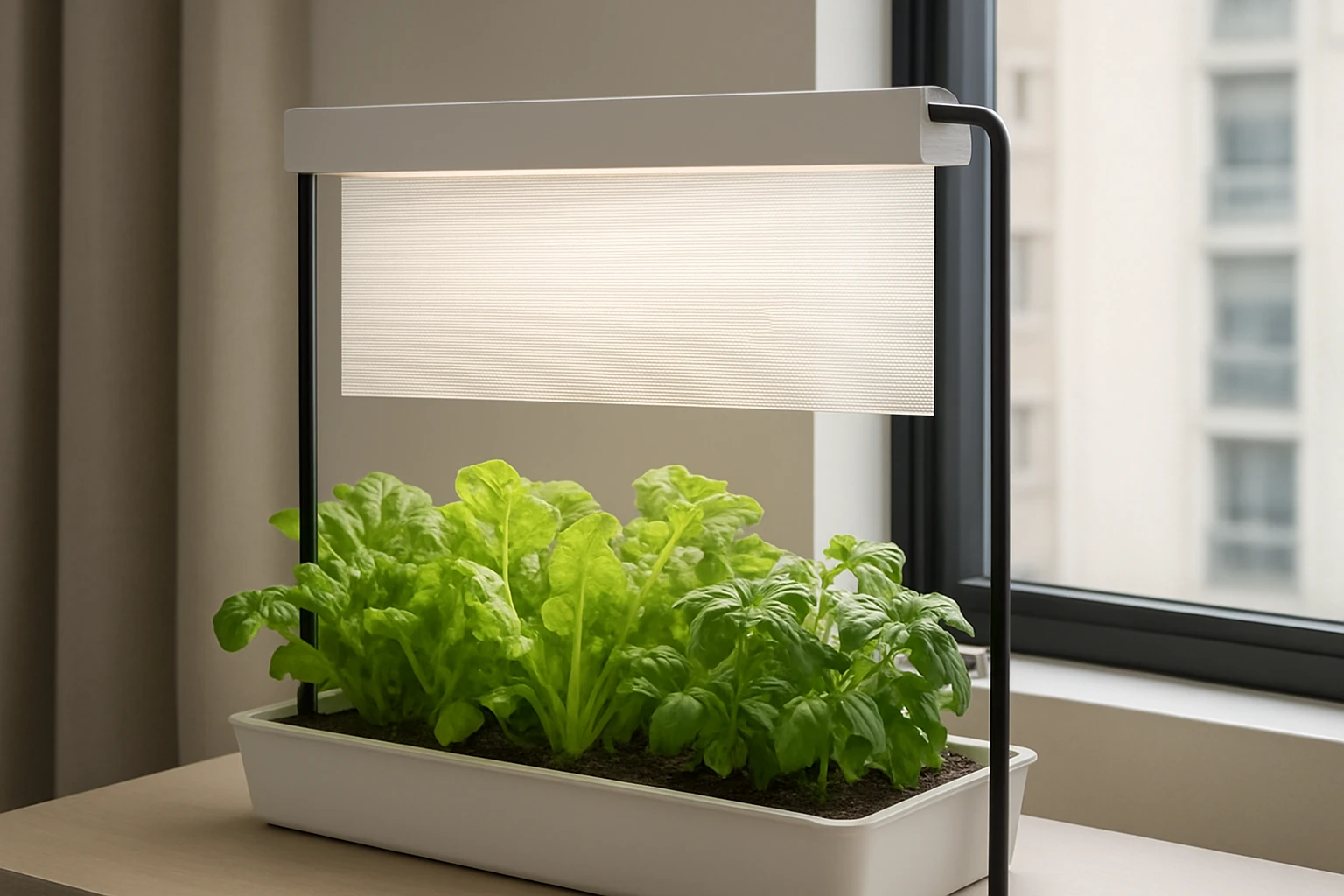
How to Make Grow Light Privacy Filters for Apartment Hydroponics: Step‑by‑Step DIY Guide to Block Light, Cut Heat & Stay Stealthy
Introduction
Urban gardeners often face the challenge of operating grow lights in small apartments without disturbing neighbours or drawing unwanted attention. This guide teaches readers how to construct effective privacy filters that dim harsh glare, lower heat output and conceal the visual signature of a hydroponic setup. By the end of the article, one will possess a practical, reusable solution that blends seamlessly with interior décor while preserving optimal plant growth conditions.
The instructions are designed for intermediate hobbyists who understand basic plant lighting requirements but need a clear, actionable plan for stealth. All steps are explained in detail, and a recommended product is integrated where it adds genuine value.
What You’ll Need
- Measuring tape or ruler
- Sharp utility scissors or a rotary cutter
- Marker or chalk for layout
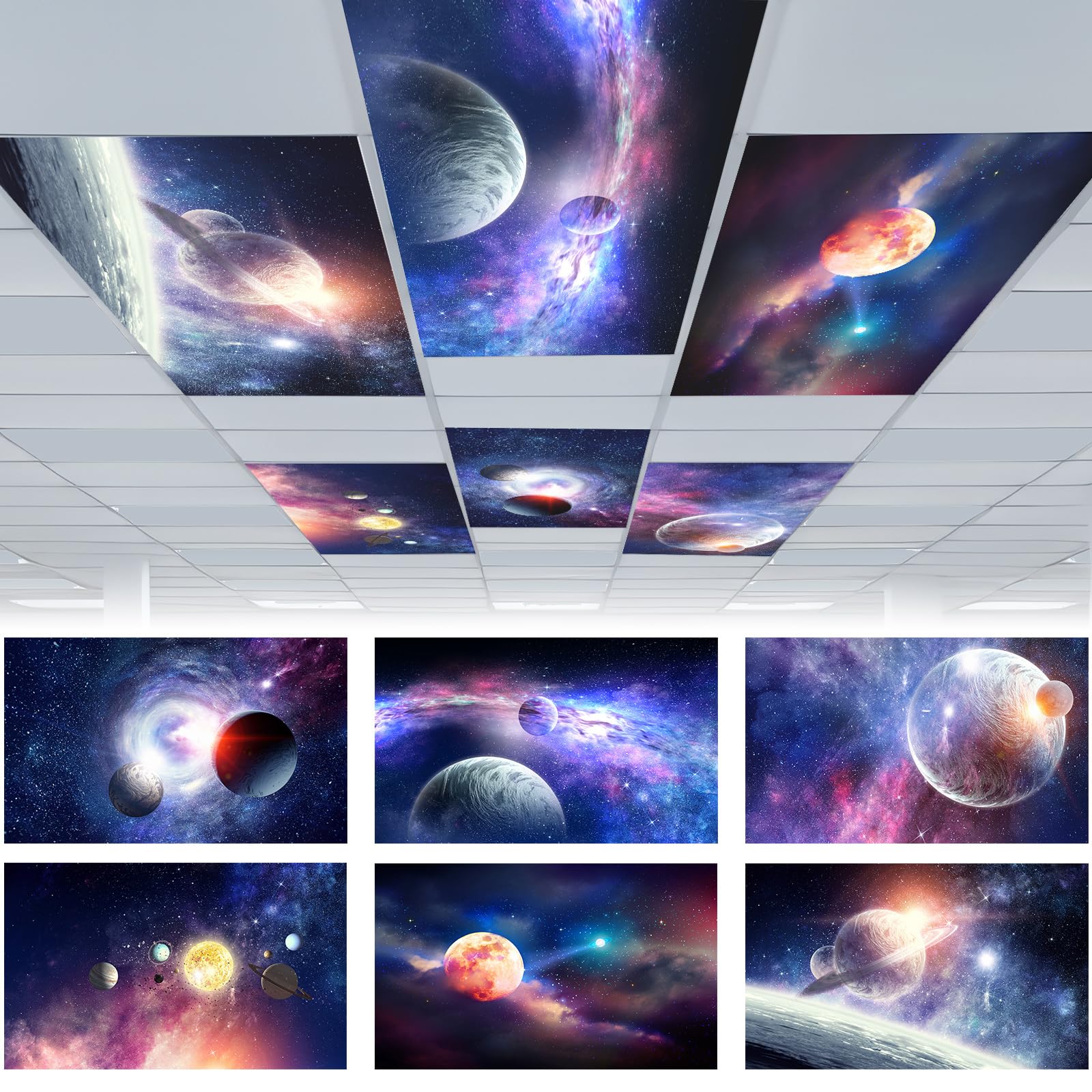
- Adhesive‑backed magnetic light covers – VIHOSE Galaxy Light Covers
- Optional: lightweight blackout fabric for extra diffusion
- Safety gloves and goggles
The VIHOSE Galaxy Light Covers are a six‑pack of magnetic, backlit film panels designed for standard 4 × 2 ft fluorescent fixtures. Each cover measures 47.24 × 23.62 inches, costs $29.99, and holds a 4.6‑star rating from 156 reviewers. Their magnetic edges allow tool‑free installation and removal, making them ideal for temporary apartment setups.
Step‑by‑Step Instructions
1. Measure Your Grow Light Fixture
Accurate dimensions are essential for a snug filter. Use a measuring tape to record the width and height of the light housing. Most apartment grow lights are either 2 ft × 4 ft or smaller modular panels. Write the measurements on a piece of paper; these numbers will guide the cutting process.
Why this matters: A filter that is too small will leave gaps for light leakage, while an oversized panel can sag and create uneven diffusion, potentially stressing plants.
2. Select the Appropriate Filter Material
The magnetic covers from VIHOSE provide a ready‑made, aesthetically pleasing surface that reduces glare and adds a subtle planetary pattern. If additional heat reduction is required, consider layering a thin sheet of blackout fabric between the cover and the light source. The fabric should be fire‑retardant and breathable to avoid overheating.
Why the VIHOSE covers are advantageous: Their backlit film diffuses light uniformly, decreasing hotspots, and the magnetic design eliminates the need for screws or adhesives that could damage ceiling tiles.
3. Cut the Covers to Match Your Fixture
Lay a cover on a clean, flat surface. Using the measurements from step 1, mark the outline with a marker. Employ sharp scissors or a rotary cutter to follow the line precisely. If you are working with a smaller light, you may cut the cover into sections and join them with magnetic strips.
Tip: Cut slightly larger than the exact dimensions (about ½ inch) to ensure the magnets can fully engage the metal frame of the fixture.
4. Attach the Magnetic Light Covers
Position the cut panel over the grow light and align the built‑in magnets with the metal housing. The VIHOSE Galaxy Light Covers contain ten magnets per panel, providing a strong, even hold. Press gently until the magnets snap into place; no additional tools are required.
Product details: The VIHOSE pack includes six covers priced at $29.99, each rated 4.6 / 5 stars based on 156 reviews. Users praise the ease of installation and the reduction of eye fatigue caused by harsh lighting.
Why these covers excel in this step: Their magnetic system enables quick removal for cleaning or seasonal adjustments, a crucial feature for renters who cannot make permanent modifications.
5. Secure Edges and Seal Gaps
Inspect the perimeter for any exposed light. If small gaps remain, apply a thin strip of painter’s tape or a magnetic sealing strip to block stray photons. This extra sealing step helps maintain a consistent light intensity across the plant canopy.
Safety note: Ensure any tape used is heat‑resistant and does not interfere with the magnetic attachment.
6. Test Light Distribution and Adjust
Turn on the grow light and observe the illumination pattern. Use a light meter, if available, to verify that the photosynthetic photon flux density (PPFD) remains within the optimal range for your crop. If the filter reduces intensity too much, consider removing one layer of fabric or repositioning the cover slightly away from the lamp.
Adjustments are simple because the magnetic covers can be repositioned in seconds, allowing fine‑tuning without disassembling the entire fixture.
Tips & Pro Tips
- Install the filters during a low‑light period to avoid disturbing plant photoperiods.
- For multi‑panel setups, stagger the magnetic covers to create a seamless visual barrier.
- Periodically wipe the cover surface with a soft, dry cloth to prevent dust buildup that could diminish light diffusion.
- If the cover arrives with minor wrinkles, gently iron on low heat while protecting the film with a cloth; avoid prolonged contact with the magnets.
Troubleshooting
Problem: Light intensity drops dramatically after installing the filter.
Solution: Verify that the cover is not pressed directly against the bulb; create a small air gap of 1‑2 cm to allow heat dissipation and maintain photon flow.
Problem: Magnets do not adhere to the fixture.
Solution: Ensure the fixture housing is metal. If it is plastic, attach a thin metal strip to the interior edge using removable adhesive, then re‑apply the magnetic cover.
Conclusion
By following this guide, one can construct an effective privacy filter that reduces glare, cuts excess heat and keeps a hydroponic grow operation discreet in an apartment setting. The VIHOSE Galaxy Light Covers provide a convenient, reusable solution that integrates seamlessly with existing lighting infrastructure. With careful measurement, precise cutting and proper magnetic attachment, the filter will serve both aesthetic and functional purposes, allowing the indoor gardener to thrive without compromising neighborly harmony.
Products Mentioned in This Guide
Frequently Asked Questions
What materials are best for DIY grow light privacy filters?
Light‑weight, opaque fabrics like blackout blackout cloth, blackout window film, or magnetic light‑cover panels work well and are easy to cut and attach.
Will a privacy filter reduce the effectiveness of my grow lights?
A properly designed filter dims glare and cuts heat while still transmitting 70‑80% of usable PAR, so plant growth remains healthy.
How do I attach a privacy filter without damaging my grow light fixture?
Use adhesive‑backed magnetic covers or Velcro strips that snap onto the light housing, allowing quick removal for maintenance.
Can I reuse the same filter for different light setups?
Yes, if you cut the filter to a standard size and use magnetic or Velcro mounting, it can be repositioned for various fixtures.
What safety precautions should I take when installing a privacy filter?
Turn off and unplug the light, ensure the filter material is fire‑rated, and leave enough clearance to prevent overheating.