How to Identify and Fix Nutrient Burn in Hydroponics: Symptoms, Causes & Fast Remedies
Introduction
Hydroponic growers frequently encounter nutrient burn, a condition that manifests as scorched leaf margins and reduced vigor. Understanding the physiological signals of burn enables timely intervention and protects yield potential. This guide explains how to recognize symptoms, determine underlying causes, and apply rapid remedies using reliable tools. Readers will acquire a systematic approach that reduces loss and improves long‑term system stability.
What You’ll Need
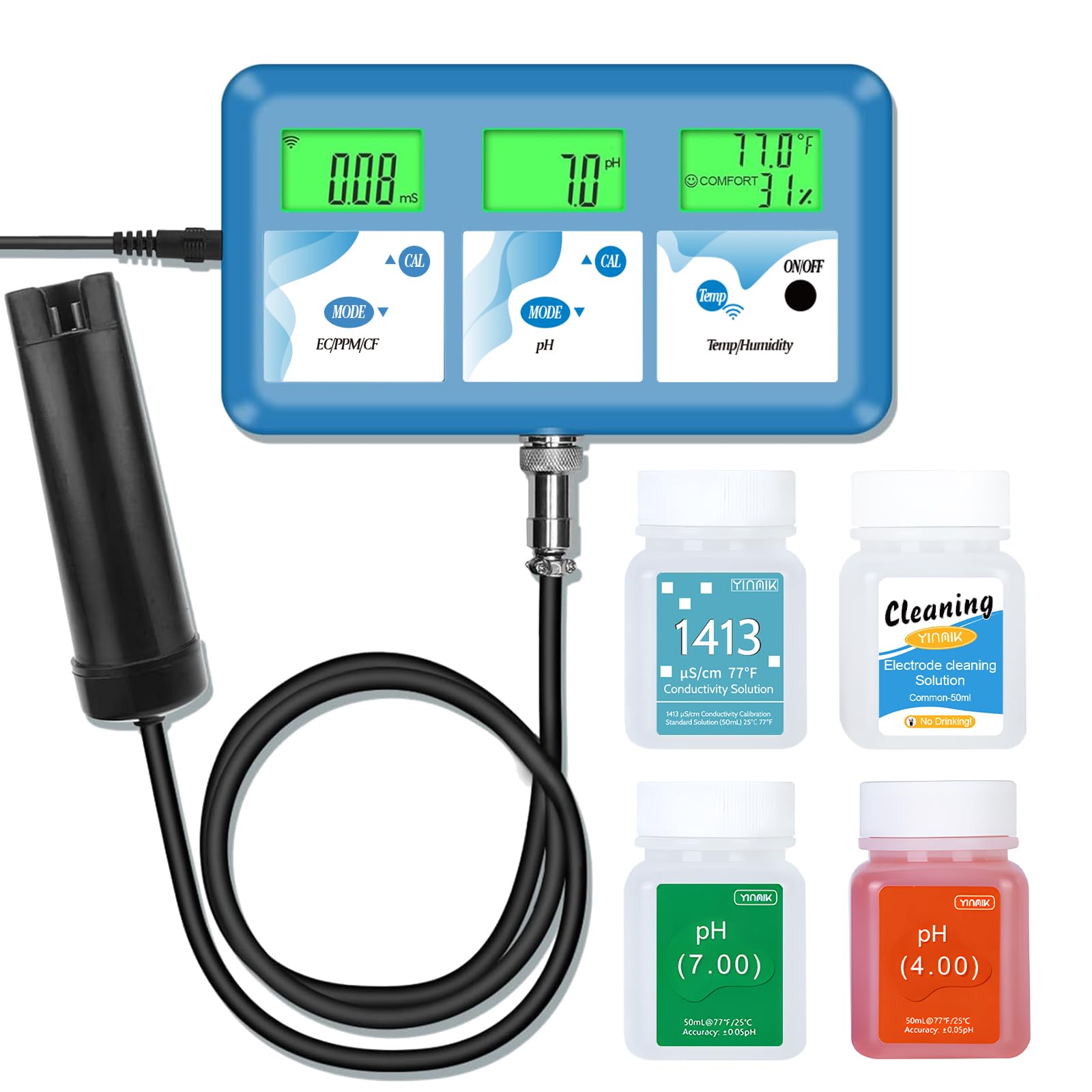
- Digital pH and EC monitoring device – YINMIK 6‑in‑1 Hydroponic pH EC Monitor
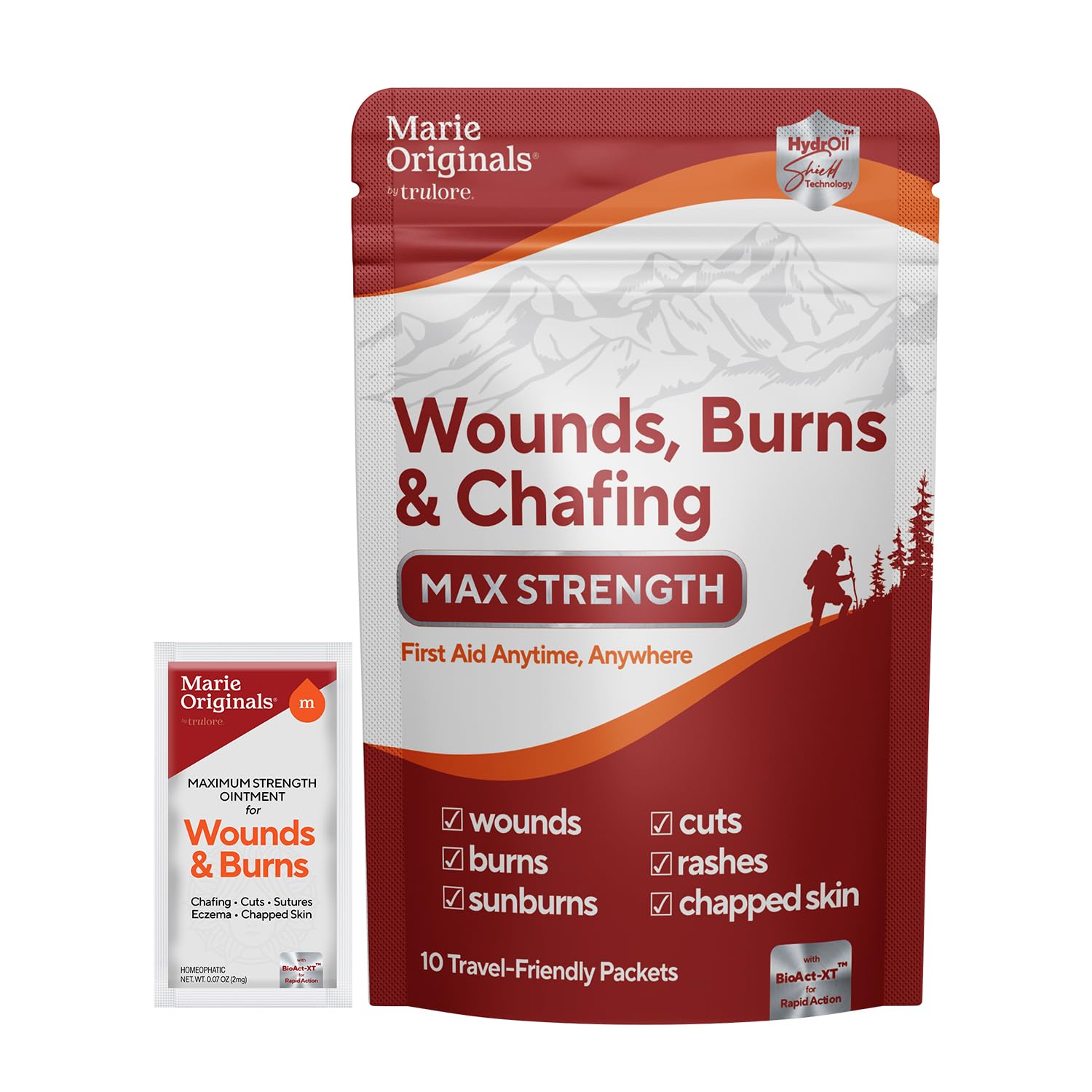
- On‑the‑go skin protectant for handling hot equipment – Marie Originals First Aid Chafing Cream
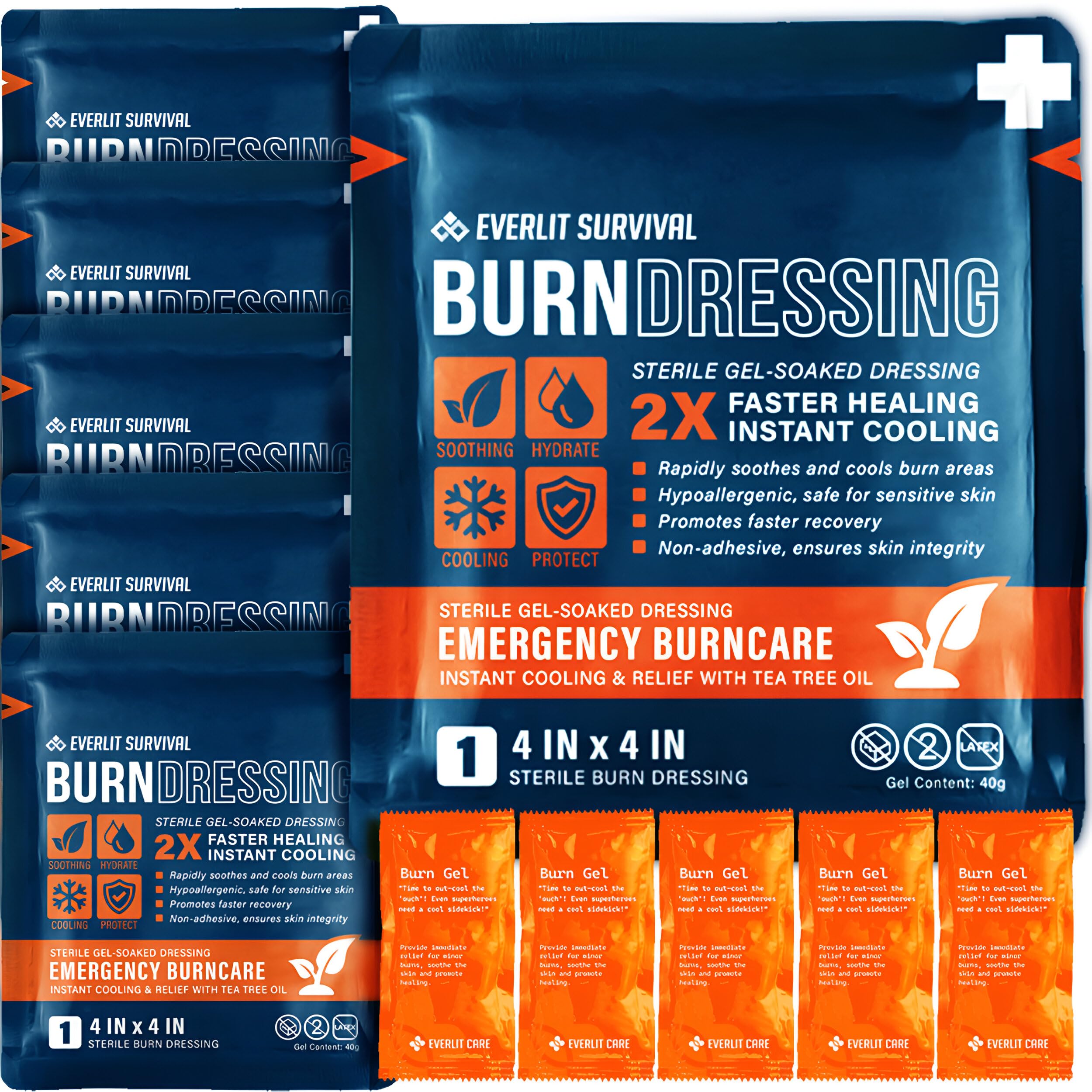
- Burn dressing kit for accidental thermal injuries – Everlit Burn Dressing Kit
- Clean containers, measuring spoons, and distilled water
- Protective gloves and eye protection
Step 1: Diagnose Nutrient Burn
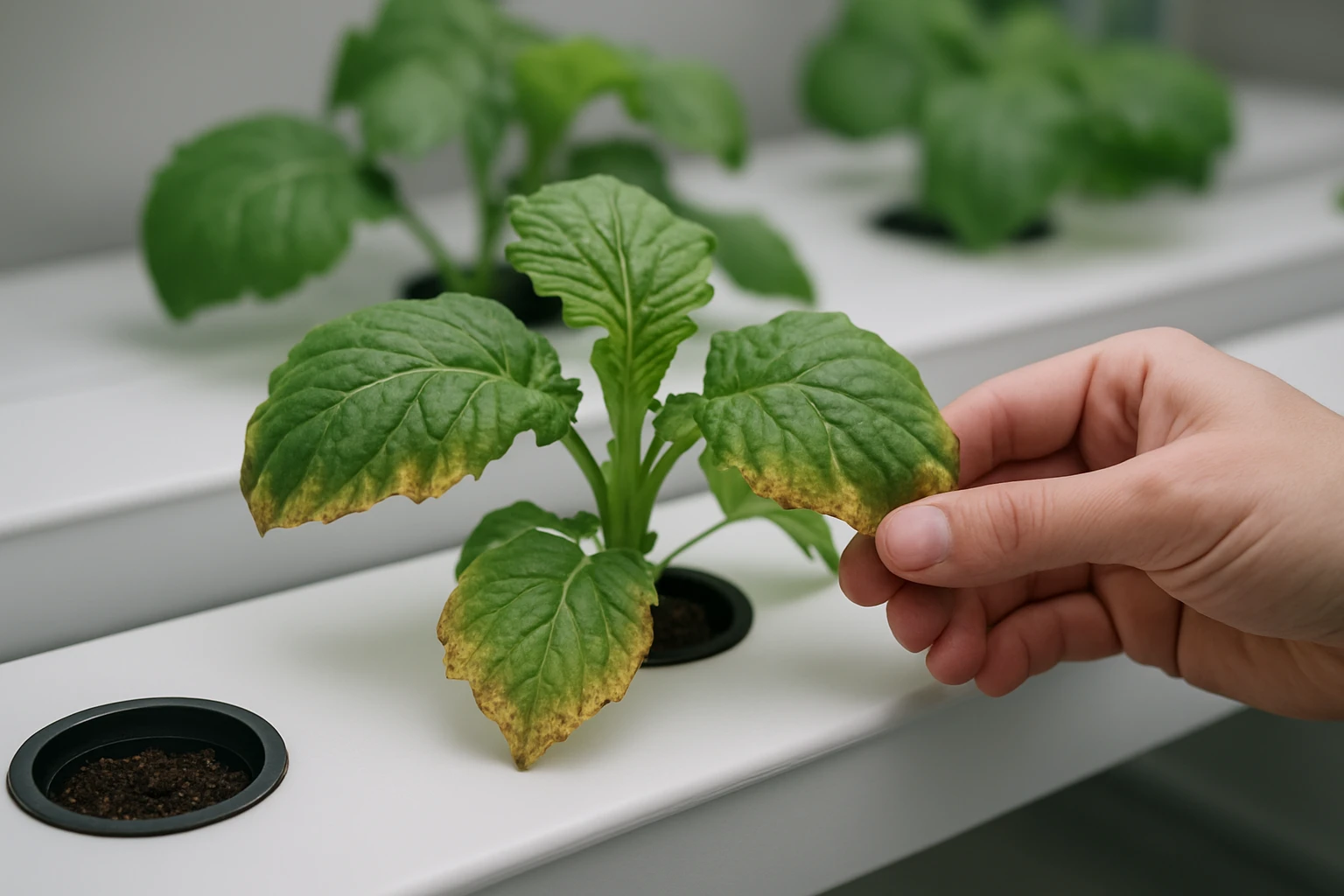
Begin by inspecting the foliage for tip necrosis, brown margins, and a leathery texture that differs from normal aging. Document the affected zones with photographs, noting the age of the leaves and the position within the grow chamber. Use the YINMIK 6‑in‑1 Hydroponic pH EC Monitor to record the current pH, electrical conductivity (EC), and temperature of the nutrient reservoir. This device provides real‑time data via Wi‑Fi, allowing the grower to compare measured values against the crop’s optimal range and identify excess nutrient concentrations that often trigger burn.
Step 2: Adjust Nutrient Solution
After confirming elevated EC, prepare a diluted nutrient batch by adding distilled water until the EC falls within the manufacturer’s recommended window for the growth stage. The YINMIK monitor’s dual‑probe system measures EC and pH simultaneously, ensuring that dilution does not inadvertently shift pH outside the optimal 5.8‑6.2 range for most leafy greens. Calibrate the monitor using the included calibration liquids before each adjustment to maintain accuracy; the package includes pH and EC calibration solutions, eliminating the need for separate purchases. Record the new readings in the app, set alarm thresholds for future deviations, and observe the plant response over the next 48‑72 hours.
Step 3: Treat Affected Tissue on the Grower
Handling nutrient‑rich solutions and hot water baths can cause skin irritation or minor burns for the operator. Apply a thin layer of Marie Originals First Aid Chafing Cream to any areas of dry, cracked skin before returning to the system. This max‑strength cream contains aloe vera, shea butter, and lanolin, creating a protective barrier that soothes irritation and accelerates skin recovery. Each packet is TSA‑friendly, allowing the grower to keep the remedy in a travel bag for field demonstrations or conferences.
Step 4: Apply Burn Care If Accidental Thermal Injury Occurs
Should a hot water spill or equipment malfunction cause a thermal injury, the Everlit Burn Dressing Kit provides immediate cooling and protection. The sterile hydrogel pads release a soothing moisture that reduces swelling and prevents infection, while the tea tree oil infusion offers natural anti‑inflammatory benefits. Place a single‑use pad over the burn, secure it with the non‑adhesive dressing, and monitor the area for signs of improvement. The kit’s extended wear time minimizes the need for frequent changes, allowing the grower to focus on system adjustments without distraction.
Step 5: Prevent Future Nutrient Burn
Implement a routine monitoring schedule using the YINMIK device, logging pH and EC at least twice daily during rapid growth phases. Adjust nutrient formulations gradually, avoiding sudden spikes that the plant cannot assimilate. Incorporate buffer solutions or organic additives to stabilize pH, and use the monitor’s alarm feature to receive notifications when values exceed safe thresholds. Maintain a clean reservoir, replace nutrient stock regularly, and ensure that all tubing is free of clogs that could cause localized concentration pockets.
Tips & Pro Tips
- Rotate reservoir water weekly to prevent salt buildup, which can mimic burn symptoms.
- When diluting, add water first, then nutrients, to avoid precipitation of salts that could damage roots.
- Store the YINMIK monitor in a dry environment; moisture intrusion can affect sensor accuracy.
- Keep the Everlit Burn Dressing Kit in a readily accessible first‑aid drawer, especially near hot‑water tanks.
- Apply Marie Originals First Aid Chafing Cream after each long session to maintain skin integrity.
Troubleshooting
Problem: Leaves continue to yellow despite EC reduction.
Solution: Verify pH stability; an acidic shift can still cause nutrient lockout. Re‑calibrate the YINMIK probe and adjust pH with a mild base if necessary.
Problem: Burn dressing adheres to the wound.
Solution: Ensure the hydrogel pad is fully saturated before application; replace with a fresh pad if adhesion persists.
Conclusion
The grower now possesses a clear methodology for detecting nutrient burn, correcting solution imbalances, and protecting personal safety. By integrating the YINMIK 6‑in‑1 monitor, Marie Originals First Aid Chafing Cream, and Everlit Burn Dressing Kit, the response time shortens and overall system resilience improves. Consistent monitoring, gradual adjustments, and proper first‑aid supplies form the cornerstone of a thriving hydroponic operation. One should apply these practices regularly to sustain healthy growth and maximize harvest quality.
Products Mentioned in This Guide
Frequently Asked Questions
What are the visible signs of nutrient burn in hydroponic plants?
Typical signs include scorched leaf edges, brown tips, and overall reduced vigor or stunted growth.
How does excessive EC (electrical conductivity) cause nutrient burn?
High EC indicates overly concentrated nutrient solutions, which can overload roots and scorch foliage.
What pH range helps prevent nutrient burn in most hydroponic systems?
Maintaining a pH between 5.5 and 6.5 keeps nutrients available without causing toxicity.
Which quick remedy can lower nutrient concentration after a burn episode?
Dilute the reservoir with fresh water to reduce EC by 20‑30% and re‑check levels before feeding again.
What tools should I use to monitor and correct nutrient burn promptly?
A digital pH/EC monitor, clean measuring containers, and a calibrated nutrient calculator are essential for fast adjustments.