How to Get Landlord Approval for Home Hydroponic Systems: Free Template + Sample Permission Letter for Renters
Introduction
Renters who wish to grow fresh herbs, vegetables, or microgreens often face the question of whether their landlord will allow a hydroponic system. This guide explains how to present a compelling case, what documentation to provide, and which tools can make the installation safe and unobtrusive. By following the steps below, one can demonstrate responsibility, protect the property, and enjoy a year‑round indoor garden without jeopardising the lease.
The reader will learn how to research lease clauses, draft a persuasive proposal, highlight health and financial benefits, and use a ready‑made permission‑letter template. The guide also recommends three reliable hydroponic kits that minimize risk and maintenance effort, making the landlord’s decision easier.
What You’ll Need
- Copy of your lease agreement
- Local housing regulations (if any)
- Sample permission letter (provided in this guide)
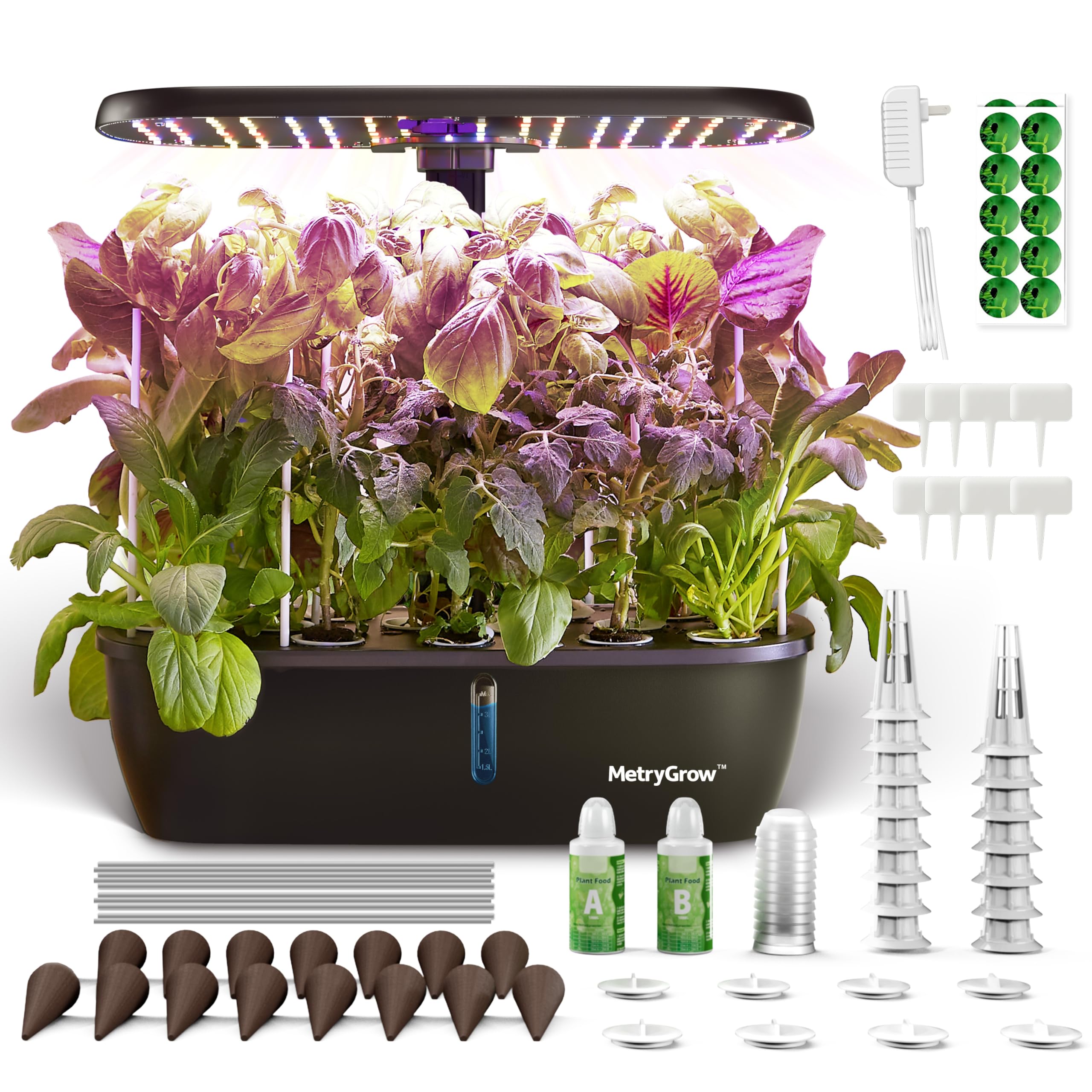
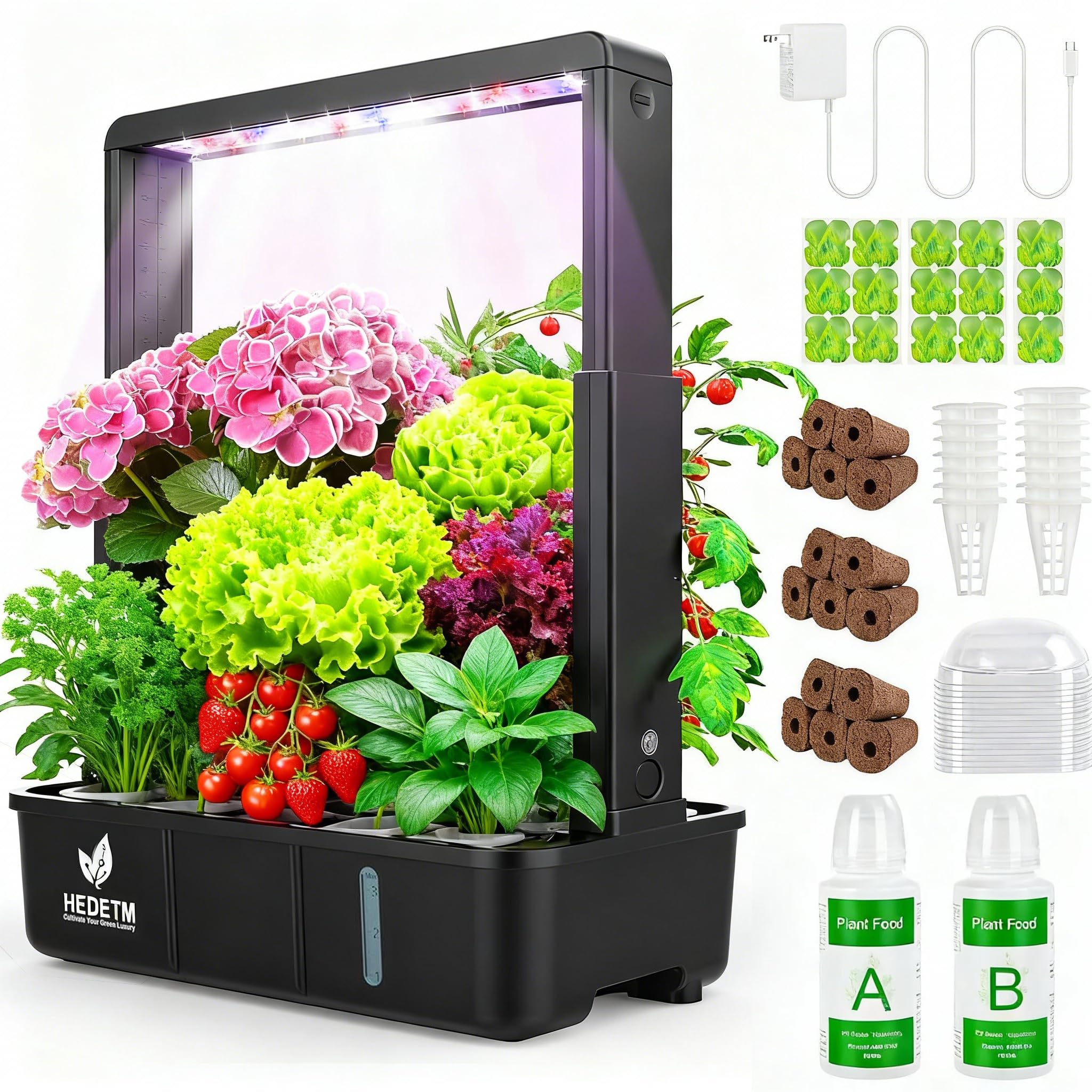
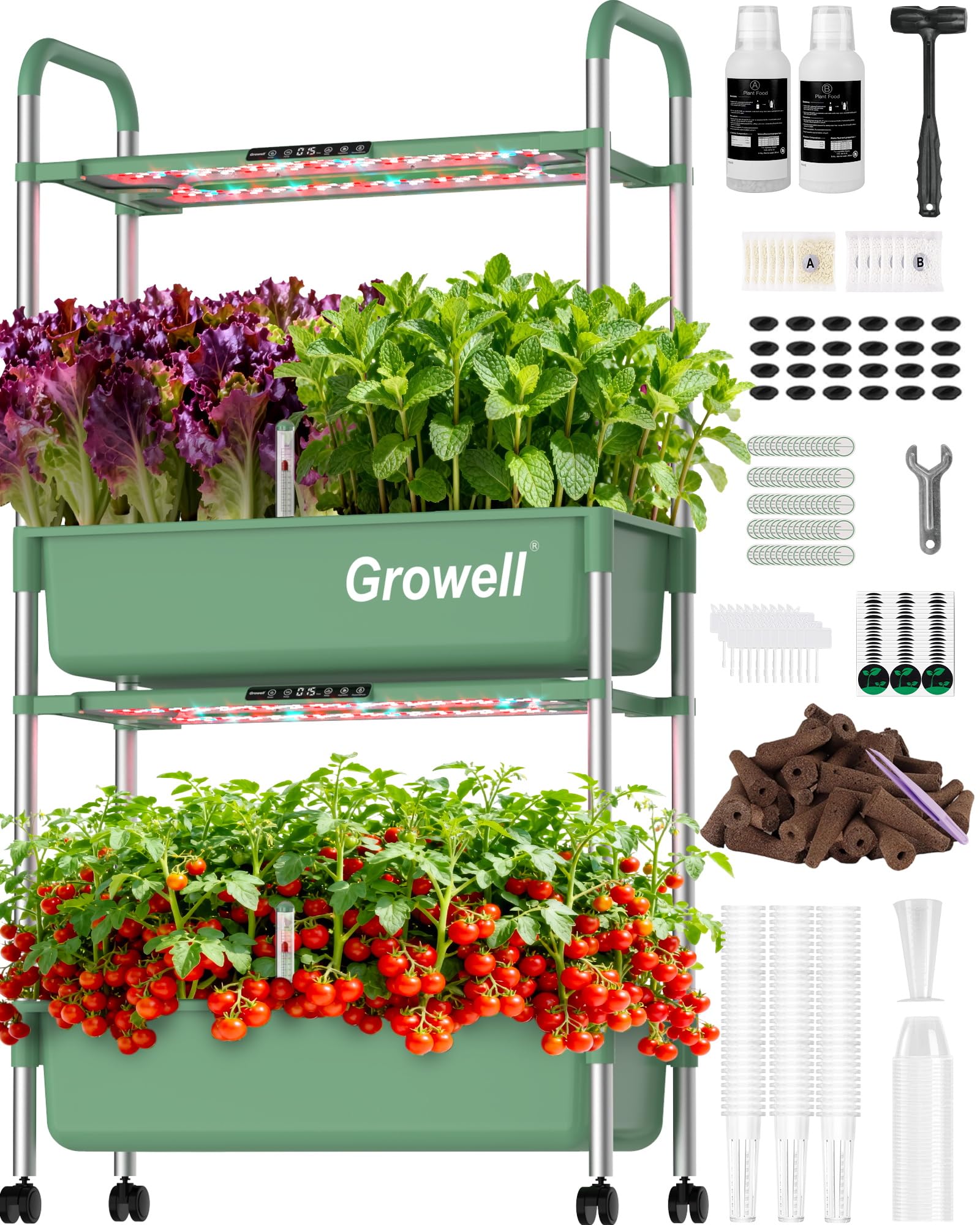
- Optional: a compact, quiet hydroponic system such as Growell 2‑Tier Hydroponics Kit, MetryGrow MG‑15 Hydroponic Garden Kit, or Hopegarden 15‑Pod Hydroponic System
- Basic tools: screwdriver, level, and measuring tape
Step 1: Review Your Lease and Local Ordinances
The first step is to locate any clauses that address alterations, gardening, or electrical equipment. Most residential leases prohibit permanent modifications, but many allow temporary, non‑structural items that do not damage walls or floors. Take note of any language that requires written permission before installing new devices.
Next, check municipal codes for restrictions on indoor farming. Some cities impose fire‑safety limits on electrical grow lights, while others have no specific rules. Document your findings in a brief bullet list; this will show the landlord that you have done due diligence.
If the lease is silent on indoor gardening, you have a stronger negotiating position because there is no explicit prohibition. However, you should still propose safeguards to address potential concerns.
When you have gathered the lease excerpts and local rules, organize them into a single PDF attachment that you will include with your proposal.
Step 2: Prepare a Concise Proposal Document
Compose a one‑page proposal that outlines the purpose of the hydroponic system, the specific model you intend to use, and the steps you will take to protect the property. Use a professional tone and keep the document to no more than two pages.
Include the following sections:
- Project Overview: Explain that the system will be a countertop or freestanding unit, not a wall‑mounted fixture.
- Safety Measures: Detail how the system’s built‑in timer, low‑heat LED, and quiet pump reduce fire and water‑damage risk.
- Maintenance Plan: State that you will conduct weekly checks, keep the area clean, and promptly address any leaks.
- Insurance or Liability: Offer to add a rider to your renters’ insurance if the landlord desires extra protection.
Attach a short “Frequently Asked Questions” table that anticipates landlord concerns, such as electricity usage, noise level, and water spillage.
For the safety‑measure section, reference a product that exemplifies low‑risk design. The Growell 2‑Tier Hydroponics Kit operates at less than 20 dB, features independent water pumps for each tier, and includes a digital timer that automatically shuts off the lights after the growth cycle.
Step 3: Highlight Benefits to the Landlord
Landlords are more likely to approve a request when they see tangible advantages. Emphasize the following points in your proposal:
- Improved Indoor Air Quality: Plants filter volatile organic compounds, reducing odors and enhancing ventilation.
- Energy Efficiency: Modern LED grow lights consume far less electricity than traditional lighting. The MetryGrow MG‑15 Hydroponic Garden Kit uses a 24 W full‑spectrum LED, comparable to the power draw of a single night‑light.
- Tenant Retention: Providing the option for indoor gardening can increase tenant satisfaction and reduce turnover.
- No Structural Damage: All recommended systems are freestanding, require no drilling, and have built‑in water‑level indicators to prevent overflow.
By quantifying these benefits—such as estimating a 5 % reduction in utility bills due to natural cooling—you make the proposal a win‑win scenario.
If the landlord is concerned about the visual impact, note that the Hopegarden 15‑Pod Hydroponic System features a sleek, compact design that fits comfortably on a kitchen countertop and can be hidden behind a decorative screen.
Step 4: Offer to Share Responsibility
Assure the landlord that you will assume full responsibility for maintenance, cleaning, and any potential damage. Include a clause in your proposal that you will:
- Inspect the water tank weekly and refill only as needed.
- Wipe down the exterior of the unit to prevent moisture buildup.
- Replace any faulty components at your own expense.
Offering to sign a supplemental agreement that outlines these duties can alleviate landlord hesitation. If the landlord requests proof of insurance, provide a copy of your renters’ policy or offer to add a modest endorsement covering the hydroponic system.
The Growell 2‑Tier Hydroponics Kit includes a lockable‑wheel base that prevents accidental movement, further demonstrating that the system will not become a safety hazard.
Step 5: Provide a Sample Permission Letter
Below is a ready‑to‑use permission‑letter template. Renters can copy the text, fill in personal details, and attach it to the proposal PDF.
[Your Name]
[Apartment Number]
[Date]

[Landlord Name]
[Landlord Address]

Subject: Request for Permission to Install a Home Hydroponic System

Dear [Landlord Name],

I am writing to request written permission to install a compact, non‑structural hydroponic garden in my rental unit. The system I intend to use is the Growell 2‑Tier Hydroponics Kit, which operates silently (<20 dB), has independent water pumps, and includes an automatic timer to prevent over‑exposure to light.

The installation will be freestanding on the kitchen countertop and will not require any modifications to walls, flooring, or electrical wiring beyond plugging the unit into an existing outlet. I will assume full responsibility for routine maintenance, water‑level monitoring, and any repairs. I am also willing to add a rider to my renters’ insurance policy covering any accidental damage.

Enclosed you will find:
1. A copy of the relevant lease clause.
2. A summary of local housing regulations.
3. A one‑page proposal outlining safety measures and benefits.
4. The product specifications for the hydroponic system.

I believe this addition will enhance indoor air quality and contribute positively to the property’s appeal. I would be grateful for your written approval at your earliest convenience.

Thank you for considering this request.

Sincerely,
[Your Signature]
[Your Printed Name]
Attach the completed letter to the proposal PDF and send it via email or hand‑deliver it, depending on the landlord’s preferred communication method.
Step 6: Follow Up and Negotiate
After submitting the proposal, allow the landlord 3–5 business days to review. If you have not heard back, send a courteous follow‑up email reiterating the key benefits and offering to answer any questions. Be prepared to negotiate minor adjustments, such as limiting the system’s operating hours to daytime only.
Should the landlord request a different model, you can suggest the MetryGrow MG‑15 Hydroponic Garden Kit, which is smaller, uses a 24 W LED, and fits comfortably on a windowsill. Its 5.5 L water tank requires monthly refilling, reducing the chance of overflow.
Once approval is granted, keep a copy of the signed permission letter in a safe place and retain all receipts for the hydroponic equipment. This documentation can be valuable during lease renewal or if any dispute arises.
Tips & Pro Tips
- Document Everything: Keep digital copies of the lease clause, local regulations, proposal, and landlord’s signed approval.
- Start Small: If the landlord is hesitant, propose a trial period with a modest system such as the Hopegarden 15‑Pod Hydroponic System, which costs $39.98 and occupies minimal countertop space.
- Use a Surge Protector: Plug the hydroponic unit into a quality surge protector to guard against electrical spikes.
- Monitor Noise: Place the unit on a rug or mat to further dampen any sound, even though models like Growell operate below 20 dB.
- Educate Neighbors: If you share walls, inform nearby tenants that the system is silent and will not cause water leakage.
Troubleshooting (Optional)
Problem: Water spillage on the floor.
Solution: Ensure the water‑level indicator is set correctly and the pump is functioning. The Growell kit’s independent pumps reduce cross‑tier overflow, and its lockable wheels keep the unit stable.
Problem: Lights overheating.
Solution: Verify that the timer is set according to the manufacturer’s recommended cycle (e.g., 16 hours on, 8 hours off for the Hopegarden system). Most LED units, including the MetryGrow MG‑15, generate minimal heat.
Conclusion
Obtaining landlord approval for a home hydroponic system is a manageable process when approached with research, professionalism, and clear communication. By reviewing lease terms, presenting a concise proposal, highlighting health and financial benefits, and offering to shoulder maintenance responsibilities, renters can turn a potential obstacle into a collaborative opportunity. The sample permission letter provided streamlines the paperwork, and the recommended kits—Growell 2‑Tier, MetryGrow MG‑15, and Hopegarden 15‑Pod—demonstrate that safe, quiet, and space‑efficient solutions exist for any rental situation.
Take the first step today: gather your lease documents, choose a suitable hydroponic system, and submit a well‑crafted proposal. With the right preparation, you will soon be harvesting fresh greens right in your rented home.
Products Mentioned in This Guide
Frequently Asked Questions
Which lease clauses should renters review before installing a hydroponic system?
Check for any restrictions on modifications, water use, electrical load, and indoor gardening to ensure the system complies with the lease terms.
How can I write a persuasive permission letter to my landlord?
Include a brief description of the system, its safety features, benefits to the property, and a commitment to restore the unit if needed.
What health and financial benefits can a home hydroponic system offer a landlord?
Hydroponics provide fresh produce, improve indoor air quality, and can increase tenant satisfaction, potentially reducing turnover costs.
Which hydroponic kits are most suitable for rental apartments?
Compact, low‑noise kits with sealed reservoirs—such as the recommended Amazon models—minimize water spills and electrical risks.
How can I ensure the hydroponic setup won’t damage the rental property?
Use a waterproof tray, secure the system to prevent tipping, and monitor water usage to avoid leaks or excess humidity.