
How to Build a Soundproof Cabinet for Your Hydroponic System: Step‑by‑Step DIY Plans & Noise‑Reduction Tips
Introduction
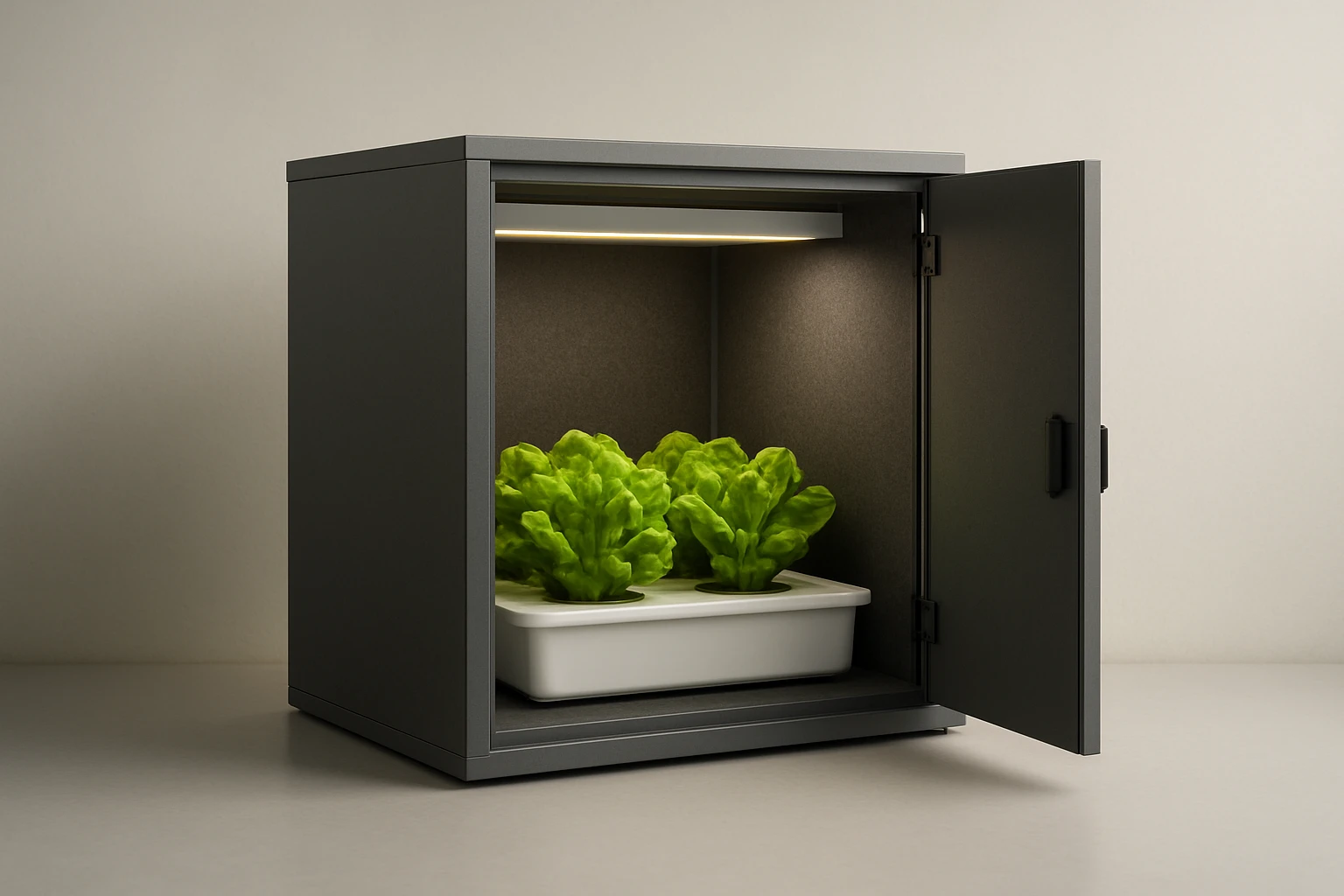
One will learn how to design and assemble a cabinet that contains the acoustic emissions of a hydroponic system while preserving airflow and accessibility. This guide explains the rationale behind each material choice, demonstrates how to integrate acoustic treatments, and provides actionable instructions that can be followed by an intermediate DIY enthusiast. By the end of the process the reader will possess a functional enclosure that reduces echo, limits airborne noise, and maintains optimal growing conditions for plants.
Noise from pumps, fans, and nutrient delivery can disturb a home office, a living space, or a shared apartment. Reducing that noise improves comfort, increases privacy, and can even enhance plant health by stabilising temperature and humidity within a sealed volume. The following sections outline the required tools, the construction sequence, and professional tips that ensure lasting performance.
What You’ll Need
- Wooden framing lumber (2x4s) and plywood panels for the cabinet walls.
- Acoustic treatment panels – see product recommendations below.
- Silicone sealant and weather‑stripping for airtight joints.
- Ventilation fans with variable speed controllers.
- Basic hand tools: drill, screwdriver, measuring tape, level, and saw.
- Safety equipment: goggles, gloves, and a dust mask.
Step 1: Plan Dimensions and Layout
One should begin by measuring the hydroponic equipment, including grow lights, pump, and nutrient reservoir. Add at least ten centimeters of clearance on each side to allow for airflow and future maintenance. Sketch a rectangular footprint on paper and calculate the total surface area; this figure will determine how many acoustic panels are required.
For a typical countertop system measuring 120 cm wide, 60 cm deep, and 150 cm tall, a cabinet of 130 cm × 70 cm × 160 cm provides sufficient space. Record the dimensions in a notebook, as they will be referenced when cutting lumber and ordering acoustic material.
Step 2: Build the Frame
Cut the 2x4 lumber to the recorded lengths using a circular saw. Assemble the vertical studs first, securing them with wood screws and a carpenter’s square to guarantee right angles. Attach the horizontal top and bottom plates, then install cross‑bracing at 60 cm intervals to increase rigidity.
When the frame is upright, verify that it is plumb with a level. Reinforce any joints that feel loose with additional screws or metal brackets. The frame now serves as a sturdy skeleton that will support the acoustic panels without warping under the weight of the hydroponic system.
Step 3: Install Interior Sheathing
Cover the interior of the frame with 12 mm plywood sheets. Secure the sheets with 1‑inch wood screws placed every 15 cm along the edges. The plywood creates a solid substrate for the acoustic panels and prevents vibrations from transmitting directly to the surrounding walls.
Seal all seams with a thin bead of silicone sealant to eliminate air gaps that could allow sound to escape. Allow the sealant to cure for at least four hours before proceeding to the next step.
Step 4: Apply Acoustic Wall Panels
Now it is time to attach acoustic treatment to the interior surfaces. The BSHEAD Acoustic Wall Panels are ideal for this purpose because they combine high density (35 % greater than standard foam) with a self‑adhesive backing that eliminates the need for additional mounting hardware. Each panel measures 12 inches thick, providing superior sound absorption for low‑frequency pump hum.
Measure the interior wall area and calculate the number of panels required to achieve at least 80 % coverage. Cut the panels to fit around corners using a sharp utility knife; the 45° chamfer design allows seamless splicing and creates an attractive visual pattern.
Peel the protective film from the adhesive side and press each panel firmly onto the plywood, starting at the bottom and working upward to avoid trapped air bubbles. For areas where the self‑adhesive may not adhere well (such as painted metal brackets), use the removable tape supplied with the panels to secure them without damaging the surface.
The panels not only dampen sound but also add a decorative element that can be coordinated with the décor of a home office or living room.
Step 5: Add Supplemental Foam for Vibration Damping
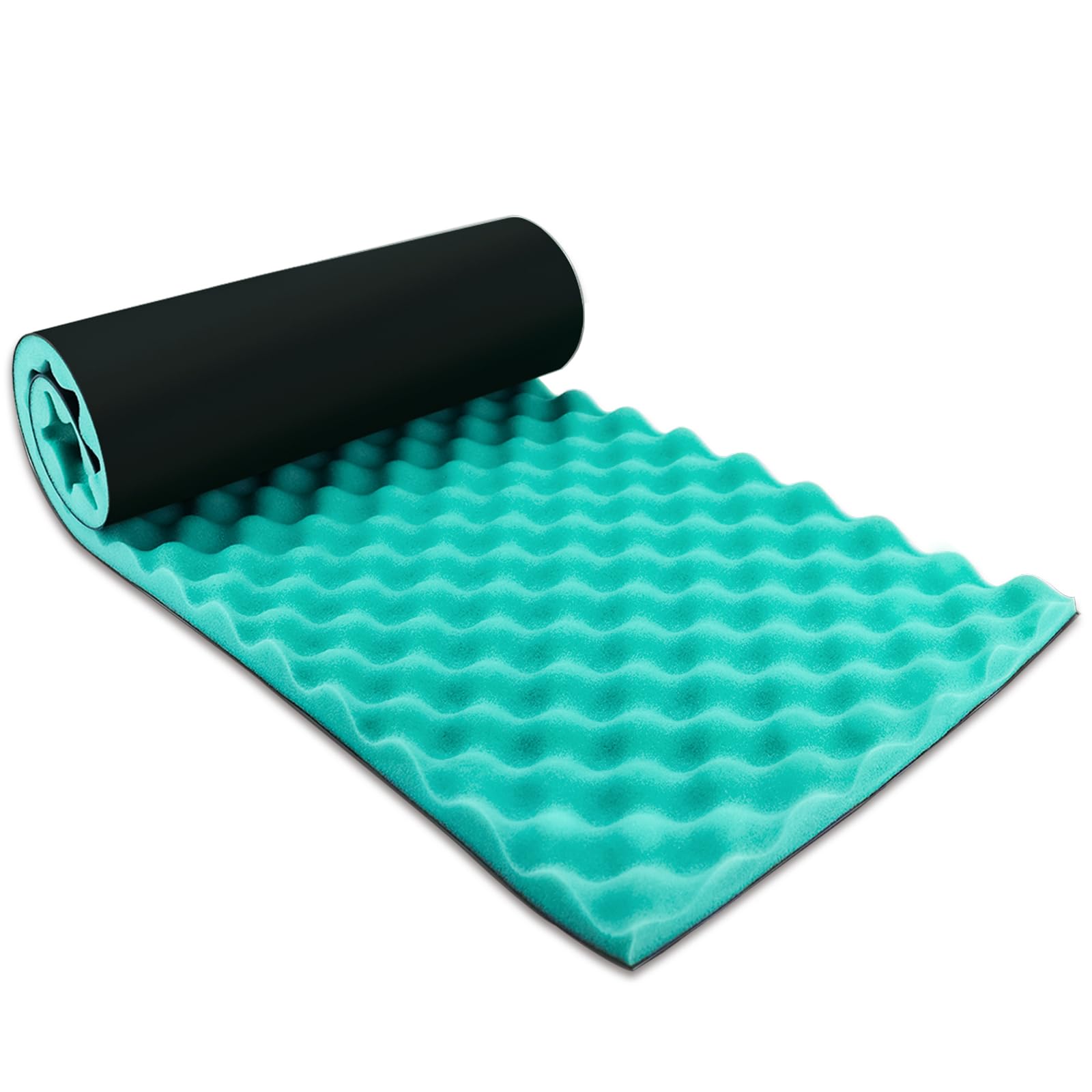
While the wall panels address airborne noise, the pump and fan generate structural vibrations that travel through the cabinet frame. The BXI Egg Crate Soundproof Foam offers a dual‑layer construction: a soft egg‑crate foam layer for absorption and a dense rubber layer for vibration isolation. Each sheet covers 3.66 sq ft and provides an average transmission loss of 24 dB, making it an excellent choice for wrapping pipe and motor housings.
Cut the foam to the dimensions of the pump housing and the water‑line pipe, then wrap the foam around each component with the foam side facing the metal surface. Secure the wrap with double‑sided tape or zip ties; the rubber side should face outward when the foam is applied to flat surfaces such as the cabinet interior.
By placing this material directly on vibrating components, one reduces the amount of mechanical energy that reaches the acoustic panels, thereby improving overall noise reduction.
Step 6: Install Ventilation with Acoustic Baffles
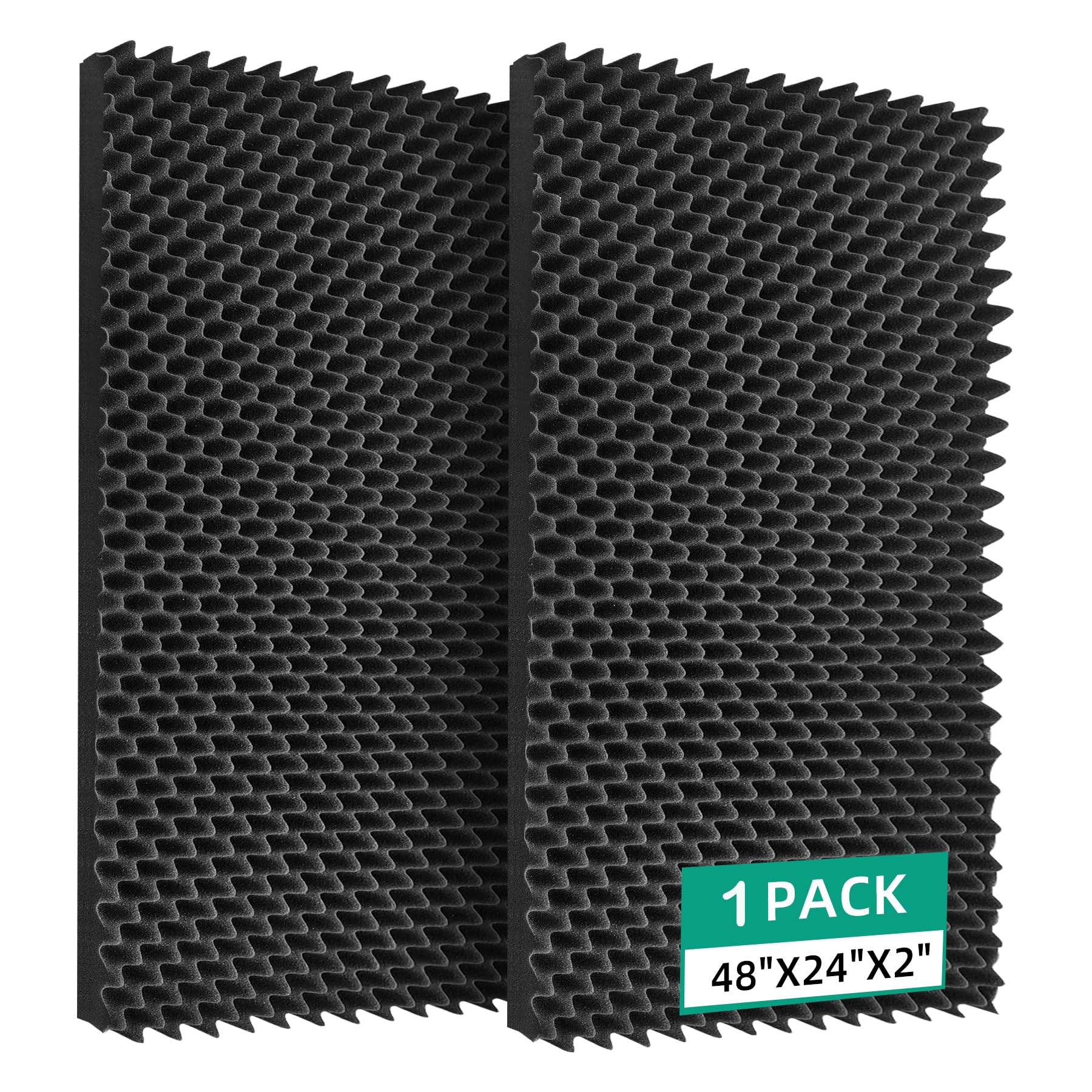
Effective ventilation is essential for temperature and humidity control. Install a 100 mm centrifugal fan on the rear wall of the cabinet, ensuring that the intake and exhaust are positioned opposite each other to promote airflow. To prevent the fan noise from leaking, line the interior of the vent openings with the ZHOJEREL Soundproof Foam Panel. This 48 × 24 inch high‑density egg‑crate panel offers a Noise Reduction Coefficient of 0.74, which is sufficient to attenuate the fan’s high‑frequency hiss.
Cut the foam panel to match the vent opening, then attach it with screws and silicone sealant. The panel should be recessed slightly so that the fan blades do not contact the foam, preventing premature wear.
Finally, connect a variable speed controller to the fan to allow fine‑tuned airflow based on plant growth stage. This approach maintains optimal environmental conditions while keeping acoustic output at a minimum.
Step 7: Seal Gaps and Finish Exterior
Inspect the cabinet for any remaining gaps around doors, joints, or ventilation ducts. Apply a continuous strip of weather‑stripping around the door frame and seal any screw holes with acoustic caulk. These measures prevent sound leakage and improve the cabinet’s airtightness, which also contributes to energy efficiency.
Paint the exterior with a matte, low‑VOC finish to match the surrounding décor. The matte surface reduces reflected light from grow lamps, creating a more pleasant visual environment.
Once the paint has dried, install hinges and a latch on the door, then place the hydroponic system inside. Power on the pumps and fans, and observe the noise level using a decibel meter. Adjust the placement of acoustic panels if necessary to achieve the desired reduction.
Tips & Pro Tips
- Measure twice, cut once: accurate measurements prevent material waste and ensure a tight fit for acoustic panels.
- Use a rubber mallet when pressing the BSHEAD panels onto the plywood to avoid damaging the adhesive surface.
- When cutting BXI foam, work on a clean surface and use a straight edge to achieve precise edges; uneven cuts can create gaps that transmit vibration.
- Consider adding a second layer of ZHOJEREL foam over the first if the fan is particularly loud; the additional mass further attenuates high‑frequency noise.
- Install a small hygrometer inside the cabinet to monitor humidity; excessive moisture can degrade foam over time.
- For maximum durability, avoid direct sunlight on the acoustic panels, as UV exposure can cause polymer breakdown.
Troubleshooting
Problem: Noise level remains high after installation.
Solution: Verify that all panels are fully adhered to the substrate. Gaps as small as 5 mm can allow sound to escape. Add supplemental BXI foam around any exposed pipe joints, and ensure the fan vent is completely lined with ZHOJEREL foam.
Problem: Excessive heat buildup inside the cabinet.
Solution: Increase ventilation by installing an additional intake vent on the opposite side of the exhaust. Use a larger fan with a variable speed controller to balance airflow without increasing acoustic output.
Conclusion
One has now acquired the knowledge to construct a soundproof cabinet that houses a hydroponic system while maintaining optimal growing conditions. By following the step‑by‑step instructions, selecting high‑performance acoustic panels, and applying professional sealing techniques, the final enclosure reduces noise to a level that is suitable for residential or office environments. Continued maintenance, such as periodic inspection of seals and foam integrity, will ensure long‑term effectiveness.
Readers are encouraged to adapt the presented plans to their specific spatial constraints and to experiment with additional acoustic treatments as needed. A quiet hydroponic garden not only improves personal comfort but also showcases the elegance of well‑executed DIY engineering.
Products Mentioned in This Guide
Frequently Asked Questions
What materials are best for soundproofing a hydroponic cabinet?
Use dense framing lumber or MDF, plywood panels, acoustic insulation such as mineral wool or fiberglass, and add mass‑loaded vinyl or acoustic sealant for airtight joints.
How can I maintain airflow while keeping noise down?
Install insulated fan ducts with acoustic baffles and use quiet inline fans with variable speed controls to ensure ventilation without excess sound.
Do I need to treat the interior walls for sound reduction?
Yes, line the interior with acoustic foam or fiberglass panels to absorb echo and prevent reverberation inside the cabinet.
What tools are required for the DIY build?
Basic carpentry tools like a circular saw, drill, screwdriver, measuring tape, level, and a caulking gun for sealant are sufficient.
How does a soundproof cabinet affect plant growth?
It stabilizes temperature and humidity by reducing drafts, which can improve plant health while keeping operational noise low.