Introduction
Companion planting in hydroponics merges age‑old agricultural wisdom with modern soilless techniques. Readers will learn why plant pairings matter, how to select compatible species, and which tools simplify implementation. The guide also highlights four Amazon products that streamline set‑up, monitoring, and maintenance. By the end, growers will possess a clear roadmap to boost yields, deter pests, and optimize nutrient balance.
Background and Context
Traditional gardening relies on soil microbes, root exudates, and physical barriers to create symbiotic relationships. In hydroponic systems, the medium is inert, so growers must intentionally manage these interactions through water chemistry and spatial arrangement. Understanding the roles of allelopathy, nitrogen fixation, and shade provision is essential for success. This foundation enables growers to translate companion concepts into a water‑based environment.
Key Concepts and Strategies
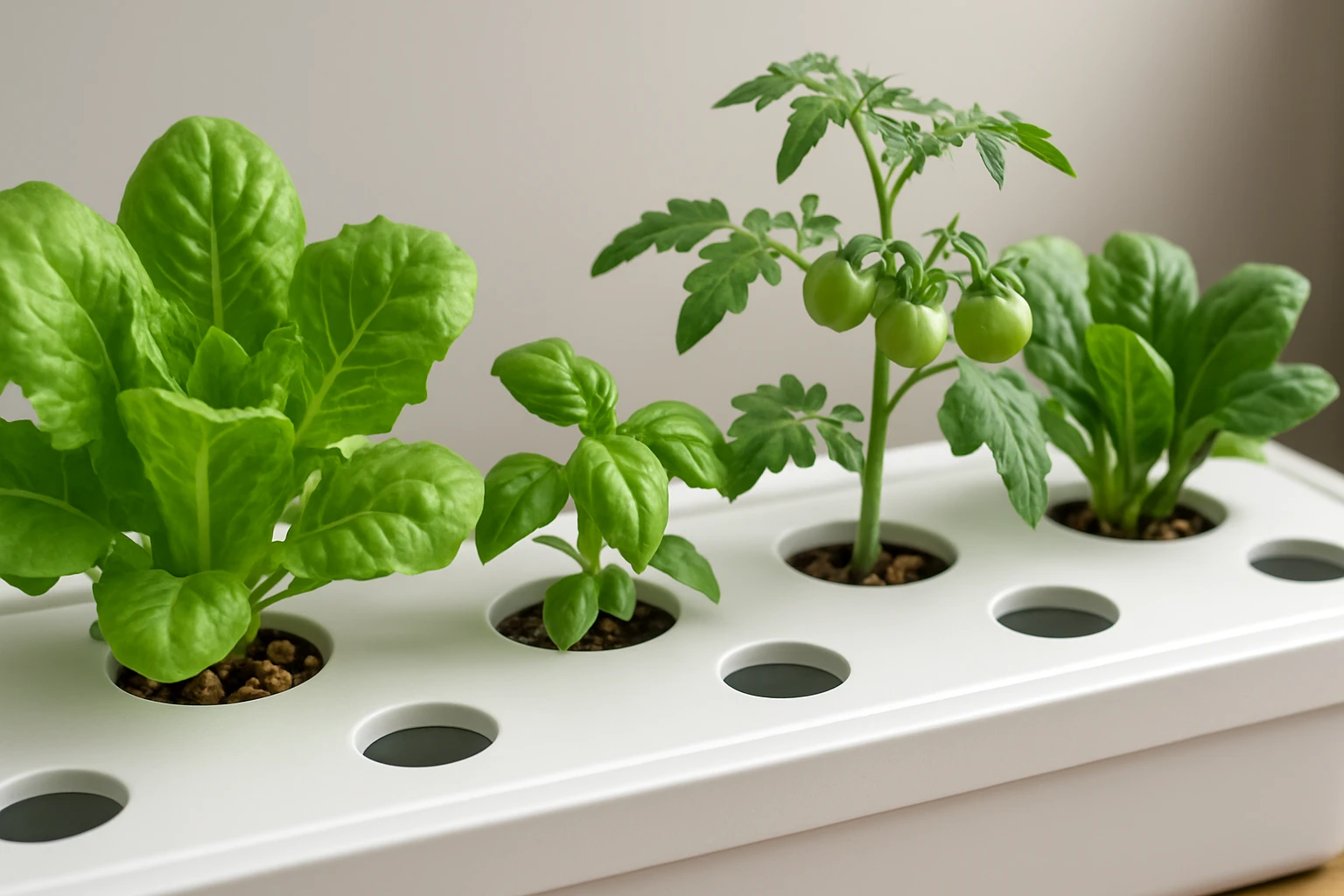
Three core principles guide effective companion planting in hydroponics: complementary nutrient demands, pest‑deterrent aromatics, and root‑zone partitioning. First, pair fast‑growing leafy greens with slower‑growing fruiting plants to balance nutrient uptake. Second, intermix aromatic herbs such as basil or mint to repel aphids, spider mites, and whiteflies. Third, allocate root zones with mesh or net pots that allow separate flow paths while sharing a common reservoir.
Implementing these ideas often requires reliable hardware. The Tmtamye 2‑Inch Net Pots provide a sturdy, UV‑resistant platform for individual species, ensuring roots receive adequate oxygen and preventing cross‑contamination. Their wide lip design simplifies insertion into 2‑inch openings and accommodates plant labels for easy identification. With a 4.7‑star rating from 624 reviewers, they are a cost‑effective choice for both hobbyists and commercial growers.
Another critical component is precise lighting. The Ahopegarden Indoor Hydroponics Kit delivers a full‑spectrum LCD‑controlled light panel that adapts to the needs of mixed plantings. Its 12‑pod layout supports simultaneous growth of leafy herbs and fruiting varieties, while the adjustable height prevents light burn on taller companions. At $59.99 and a 4.6‑star rating, it offers an all‑in‑one solution for indoor companion gardens.
Temperature stability during germination influences the vigor of every subsequent pairing. The BN‑LINK Seedling Heat Mats maintain the optimal 70‑85°F range for seed sprouting, reducing uneven emergence that can disrupt companion layouts. Their waterproof, ETL‑listed construction ensures safety in humid environments, and the 2‑pack configuration covers multiple trays for diverse species. Reviewers praise their consistent heat and value, reflected in a 4.6‑star rating from over 3,200 users.
Finally, nutrient pH control is vital when mixing plants with differing preferences. The General Hydroponics pH Control Kit supplies pH Up, pH Down, and a color‑coded indicator, allowing precise adjustments to keep the solution within the 5.5‑6.5 window preferred by most hydroponic crops. Its 4.7‑star rating from 28,599 reviews confirms reliability for both beginners and seasoned cultivators.
Comparison and Selection Guide
| Feature | Tmtamye Net Pots | Ahopegarden Kit | BN‑LINK Heat Mats | General Hydroponics pH Kit |
|---|---|---|---|---|
| Primary Use | Root containment & labeling | Full‑system grow & lighting | Seedling germination heat | pH measurement & adjustment |
| Price (USD) | $14.24 | $59.99 | $21.99 | $19.99 |
| Rating | 4.7/5 (624) | 4.6/5 (868) | 4.6/5 (3,220) | 4.7/5 (28,599) |
| Key Advantage | Heavy‑duty, UV‑resistant, wide lip | Adjustable height, LCD control, 12 pods | Uniform far‑infrared heating, IP67 waterproof | All‑in‑one kit, color‑coded indicator |
| Best For | Mixed‑species root zones | Complete indoor companion garden | Starting seeds of multiple companions | Maintaining optimal pH across varied crops |
Best Practices & Tips
- Map your planting layout before installing hardware; allocate taller fruiting plants to the back or center, with low‑lying herbs surrounding them.
- Use separate net pots for each species to avoid nutrient competition; the wide lip of the Tmtamye Net Pots simplifies this segregation.
- Rotate plant pairs every 4–6 weeks to prevent pathogen buildup; keep detailed logs using the plant labels supplied with the net pots.
- Adjust the Ahopegarden Kit’s light spectrum between vegetative (blue‑rich) and flowering (red‑rich) modes based on the growth stage of each companion.
- Employ the BN‑LINK Heat Mats during germination, then transition seedlings to the main reservoir once true leaves appear.
- Monitor pH daily with the General Hydroponics kit; slight adjustments (0.1–0.2 units) can prevent nutrient lockout when mixing heavy‑feeding tomatoes with light‑feeding lettuce.
- Introduce beneficial microbes such as mycorrhizae in the nutrient solution to enhance root communication between companions.
Frequently Asked Questions
- Can I grow fruiting plants and leafy greens together? Yes, provided you manage nutrient ratios; fruiting plants require more potassium, while greens need higher nitrogen. Use a balanced hydroponic formula and adjust with the pH kit.
- Do aromatic herbs really repel pests in hydroponics? Studies show compounds like linalool in basil and menthol in mint deter aphids and spider mites. Position these herbs near vulnerable crops for a natural barrier.
- How often should I replace the net pots? The Tmtamye Net Pots are reusable for years if cleaned regularly. Replace only when cracks or severe wear appear.
- What temperature should I maintain for seed germination? Aim for 70‑85°F. The BN‑LINK Seedling Heat Mats maintain this range without overheating, ensuring uniform sprouting.
- Is the Ahopegarden Kit suitable for large‑scale operations? It excels for home and small‑commercial setups (up to 12 pods). Larger growers may need modular systems, but the kit demonstrates core principles.
- How frequently must I test pH when using multiple plant species? Test at least once daily during the first two weeks, then every 2–3 days once the system stabilizes.
- Can I use the same nutrient solution for all companions? Yes, if the solution is balanced for a mid‑range pH (5.8‑6.2) and contains macro‑nutrients suitable for both leafy and fruiting crops. Adjust with the pH kit as needed.
Conclusion
Companion planting in hydroponics offers a scientifically backed pathway to higher yields, reduced pest pressure, and more efficient nutrient use. By understanding root‑zone dynamics, leveraging aromatic allies, and employing reliable tools such as net pots, lighting systems, heat mats, and pH kits, growers can create resilient, productive ecosystems. Whether cultivating a kitchen herb garden or a boutique commercial operation, the principles outlined here translate directly into measurable improvements.
Products Featured in This Guide
Tmtamye 2‑Inch Net Pots
Price: $14.24 | Rating: 4.7/5 (624 reviews)
Featured for their heavy‑duty, UV‑resistant construction and wide‑lip design that simplifies root‑zone segregation in mixed hydroponic systems.
Ahopegarden Indoor Hydroponics Kit
Price: $59.99 | Rating: 4.6/5 (868 reviews)
Featured for its integrated full‑spectrum LCD light, adjustable height, and 12‑pod capacity, making it ideal for diverse companion pairings.
BN‑LINK Seedling Heat Mats
Price: $21.99 | Rating: 4.6/5 (3,220 reviews)
Featured for delivering uniform, waterproof heating that accelerates germination and ensures consistent seedling vigor across companion species.
General Hydroponics pH Control Kit
Price: $19.99 | Rating: 4.7/5 (28,599 reviews)
Featured for its comprehensive, easy‑to‑use components that allow precise pH management essential for mixed‑crop hydroponic systems.