How to Build LED Spectral Recipes for Hydroponic Basil, Cilantro & Mint — Maximize Growth & Flavor
Introduction
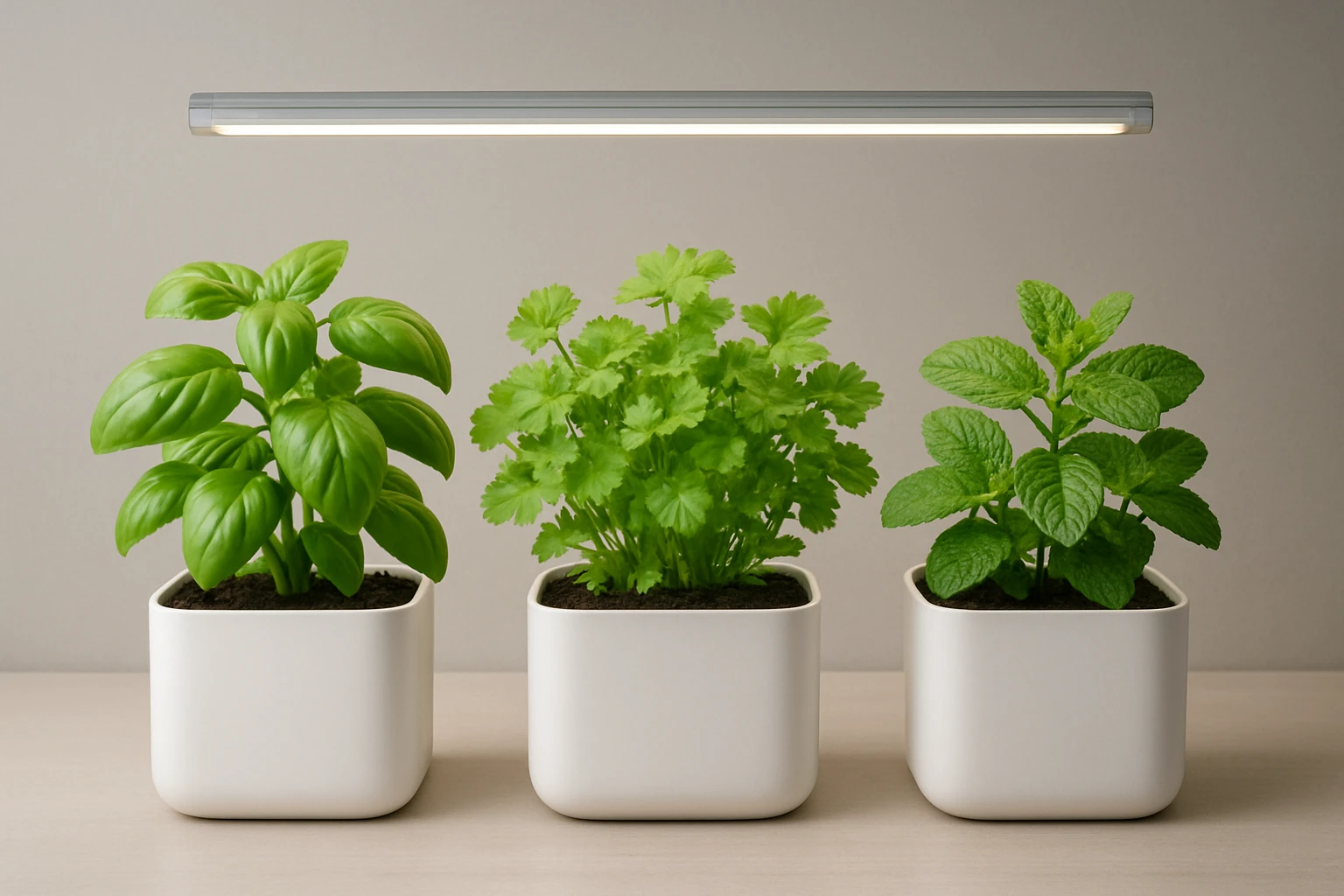
Hydroponic growers often ask how to tailor light spectra to enhance the growth rate, leaf texture, and aromatic profile of culinary herbs such as basil, cilantro, and mint. This guide explains the scientific basis of spectral recipes, demonstrates how to configure LED fixtures, and provides actionable steps to achieve vigorous, flavorful plants. By following the procedures, readers will understand why specific wavelengths matter, how to balance intensity and photoperiod, and which affordable tools simplify the process.
The information is valuable for indoor gardeners who already have a hydroponic system and for newcomers who wish to avoid trial‑and‑error. The guide integrates two recommended products that serve as reliable lighting platforms while remaining optional for those who already own comparable equipment.
What You'll Need
- LED grow light fixtures (see product recommendations below)
- Hydroponic system with nutrient reservoir, pump, and grow trays
- pH and EC meters for solution monitoring
- Timer or smart controller for photoperiod management
- Measuring tape, scissors, and zip ties for mounting
- Optional: Light meter (PAR) for precise intensity checks
Step 1: Understand the Spectral Requirements of Each Herb
Each herb has a distinct photosynthetic response to light. Basil thrives under a balanced mix of blue (400‑500 nm) and red (600‑700 nm) wavelengths, which promote leaf expansion and essential oil production. Cilantro prefers a slightly higher proportion of blue light to maintain compact growth and prevent bolting. Mint responds well to a broad spectrum that includes far‑red (700‑750 nm) for vigorous stem elongation.
When constructing a spectral recipe, aim for the following approximate ratios:
- Basil – 30% blue, 40% red, 30% green/yellow (for uniform foliage)
- Cilantro – 40% blue, 30% red, 30% green (to suppress premature flowering)
- Mint – 25% blue, 35% red, 40% full‑spectrum white (for aromatic leaf development)
These percentages translate into LED chip selections or programmable dimming zones on a multi‑spectrum fixture.
Step 2: Choose the Appropriate LED Fixture
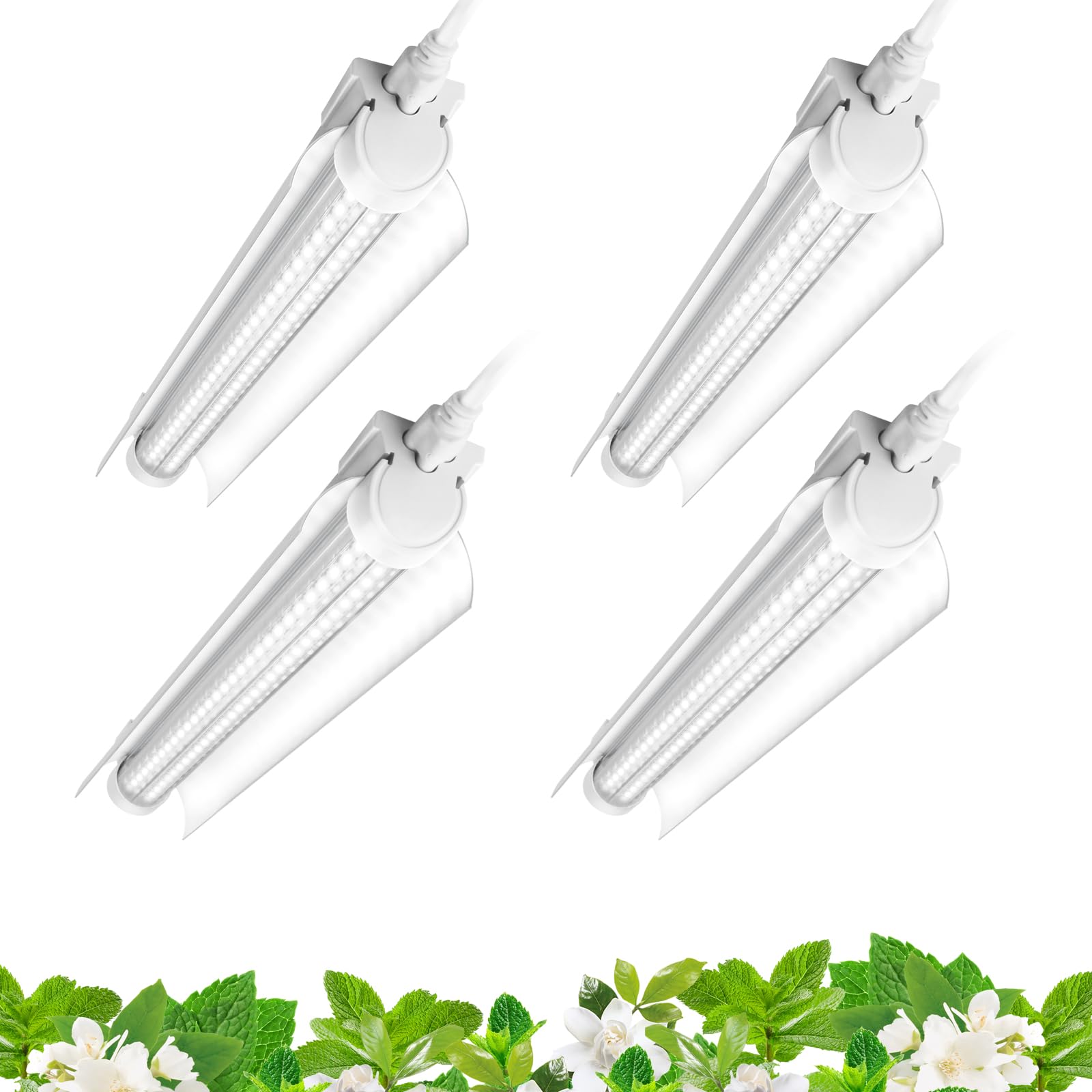
The first hardware decision determines how easily the spectral recipe can be implemented. For a flexible, plug‑and‑play solution, the Barrina T8 Grow Light Strips provide a 5000 K full‑spectrum output with 192 LEDs per foot, delivering a high photosynthetic photon flux density (PPFD) while remaining inexpensive.
Key features that make the Barrina strips suitable for this step include:
- Four 1‑ft strips in a single pack ($42.99) with a total consumption of 60 W, allowing coverage of up to 4 ft of canopy per pack.
- Aluminum housing for efficient heat dissipation, extending LED lifespan and protecting delicate herb tissues from heat stress.
- Easy installation via double‑sided tape, clips, and cable ties; the strips can be linked up to ten units, enabling custom spacing for each herb zone.
- 5000 K daylight color temperature mimics natural sunlight, supporting the full‑spectrum percentages outlined above.
For growers who need adjustable height and programmable spectra, the Kullsinss Adjustable Grow Lamp offers 80 high‑efficiency diodes, three color modes, and five dimming levels. At $15.38, it is a budget‑friendly supplemental light for seedling trays or for fine‑tuning the blue‑rich zone required by cilantro.
Key attributes of the Kullsinss lamp include:
- Height adjustability from 10‑in to 65‑in, allowing precise placement above low‑lying basil or taller mint plants.
- Full‑spectrum coverage (380‑760 nm) with selectable white, warm‑white + red, or mixed light modes, enabling quick switches between growth stages.
- Integrated 6/12/16‑hour timer and five dimmable levels, simplifying photoperiod control without an external timer.
- Elegant faux‑woodgrain finish that blends with indoor décor while providing reliable heat dissipation.
Step 3: Layout the Lighting Plan
Map the grow area on graph paper or a digital tool. Allocate separate zones for each herb, ensuring that the distance between the light source and canopy matches the recommended PPFD (approximately 150‑250 µmol m⁻² s⁻¹ for leafy herbs).
Example layout:
- Zone A – Basil: Two Barrina strips positioned 12 in above the canopy, spaced 6 in apart to achieve a balanced blue‑red mix.
- Zone B – Cilantro: One Barrina strip combined with a Kullsinss lamp set to the “white + red” mode, positioned 10 in above the plants to emphasize blue light.
- Zone C – Mint: Three Barrina strips arranged in a V‑shape with reflectors, 14 in above the canopy to deliver broader white light and some far‑red.
Secure the strips using the included clips and cable ties. For the Kullsinss lamp, adjust the height knob until the light evenly covers the cilantro tray without hot spots.
Step 4: Configure Spectral Ratios Using Dimmable Controls
If the Barrina strips are equipped with a dimmer (some models include an optional controller), set the intensity to 70% of maximum for basil, 80% for cilantro, and 60% for mint. The Kullsinss lamp’s five dimming levels allow you to fine‑tune the blue component for cilantro; select level 4 for a strong blue emphasis.
Document the settings in a logbook: record the dimming percentage, timer schedule, and observed plant responses. This data becomes the baseline for future adjustments.
Step 5: Establish Photoperiods
Herbs typically require 14‑16 hours of light per day during vegetative growth. Use the built‑in timer on the Kullsinss lamp for cilantro, setting it to 16 hours to discourage bolting. For the Barrina strips, connect them to an external programmable timer set to 14 hours, providing a slight dark period that encourages robust leaf development.
Synchronize the timers so that all zones receive light simultaneously, preventing uneven growth cycles. If using a smart plug, you can automate the schedule via a mobile app for added convenience.
Step 6: Monitor and Adjust
After two weeks, measure leaf length, chlorophyll content (using a SPAD meter if available), and aromatic intensity (by sensory evaluation). If basil shows leggy growth, increase the red component by raising the strip intensity or adding a supplemental red LED module. If cilantro begins to bolt, reduce the photoperiod by one hour and increase blue intensity.
Mint is tolerant of higher humidity; ensure the reflectors on the Barrina strips do not trap excess heat, which could cause leaf scorching. Adjust the distance or lower the dimming level accordingly.
Tips & Pro Tips
- Rotate the plants every three days to ensure uniform light distribution across all leaves.
- Maintain ambient temperature between 68‑75 °F; excessive heat can degrade essential oils, especially in basil.
- Use a calibrated pH meter to keep the nutrient solution between 5.8‑6.2 for optimal nutrient uptake under intense light.
- Consider adding a reflective Mylar sheet behind the strips to boost light efficiency by up to 20%.
- When expanding the system, link additional Barrina strips using the provided 20‑inch connectors; the series can support up to ten strips without voltage drop.
Troubleshooting
| Problem | Possible Cause | Solution |
|---|---|---|
| Leaves turning yellow | Insufficient nitrogen or excessive light intensity | Reduce strip dimming by 10% and verify nutrient EC levels. |
| Plants become leggy | Low red light ratio or photoperiod too short | Increase red intensity on Barrina strips or extend daily light period by 1‑2 hours. |
| Burn spots on leaves | Too close proximity to LED source | Raise the fixture 2‑3 inches and check for proper heat dissipation. |
Conclusion
By understanding the spectral preferences of basil, cilantro, and mint, and by implementing a structured lighting plan with reliable fixtures, growers can maximize both biomass and flavor. The Barrina T8 Grow Light Strips and Kullsinss Adjustable Grow Lamp provide flexible, cost‑effective solutions that accommodate the recommended blue‑red ratios, photoperiods, and height adjustments. Consistent monitoring and incremental adjustments ensure sustained success throughout the hydroponic cycle.
Apply the steps outlined in this guide, record observations, and refine your spectral recipes season after season. The result will be a thriving indoor herb garden that delivers fresh, aromatic produce year‑round.
Products Mentioned in This Guide
Frequently Asked Questions
What LED wavelengths are optimal for growing basil, cilantro, and mint hydroponically?
Blue (400‑500 nm) promotes leaf growth while red (620‑660 nm) enhances biomass and flavor; a 2:1 blue‑to‑red ratio works well for these herbs.
How long should the photoperiod be for hydroponic herbs under LED lights?
Provide 14‑16 hours of light per day and 8‑10 hours of darkness to mimic natural daylight and prevent stretching.
What light intensity (PPFD) is recommended for basil, cilantro, and mint?
Aim for 150‑250 µmol m⁻² s⁻¹ at canopy level; adjust upward for fast‑growing basil and lower for more shade‑tolerant mint.
Can I use a single LED fixture for all three herbs, or do I need separate setups?
A single full‑spectrum LED fixture with adjustable channel mixing can serve all three herbs, provided the spectrum is tuned to the 2:1 blue‑red ratio.
Do I need any special tools to fine‑tune LED spectral recipes?
A programmable controller or app‑enabled driver lets you set channel intensities, and a PAR meter helps verify the delivered PPFD.
