Introduction
Indoor gardening has become a practical solution for city dwellers who desire fresh herbs without the need for a backyard. Hydroponic systems, which use water‑based nutrient solutions instead of soil, allow herbs to thrive year‑round, even on a windowsill or kitchen counter.
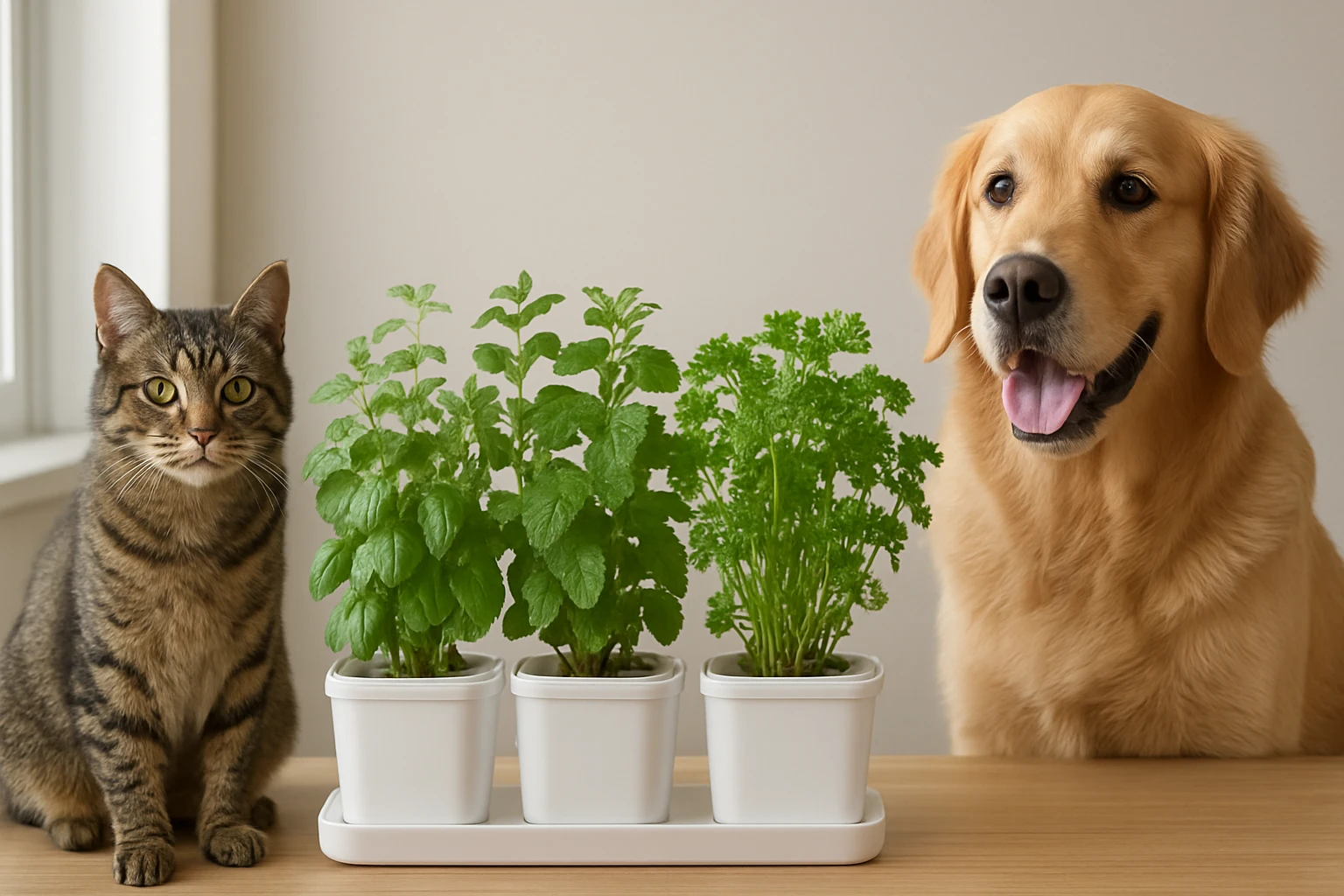
Pet owners must also consider the safety of their feline and canine companions. Some aromatic herbs can cause digestive upset or more serious reactions in pets, while others are completely harmless. This article presents twelve hydroponic herbs that are proven safe for cats and dogs, explains their culinary and health benefits, and highlights a convenient starter kit for the most popular choice—basil.
-
1. Basil (Ocimum basilicum) – The Classic Kitchen Herb
Basil is a staple in countless recipes, from pesto to caprese salad. It is non‑toxic to both cats and dogs, making it an ideal choice for households with pets. The herb’s aromatic leaves also help mask kitchen odors, creating a pleasant indoor environment.
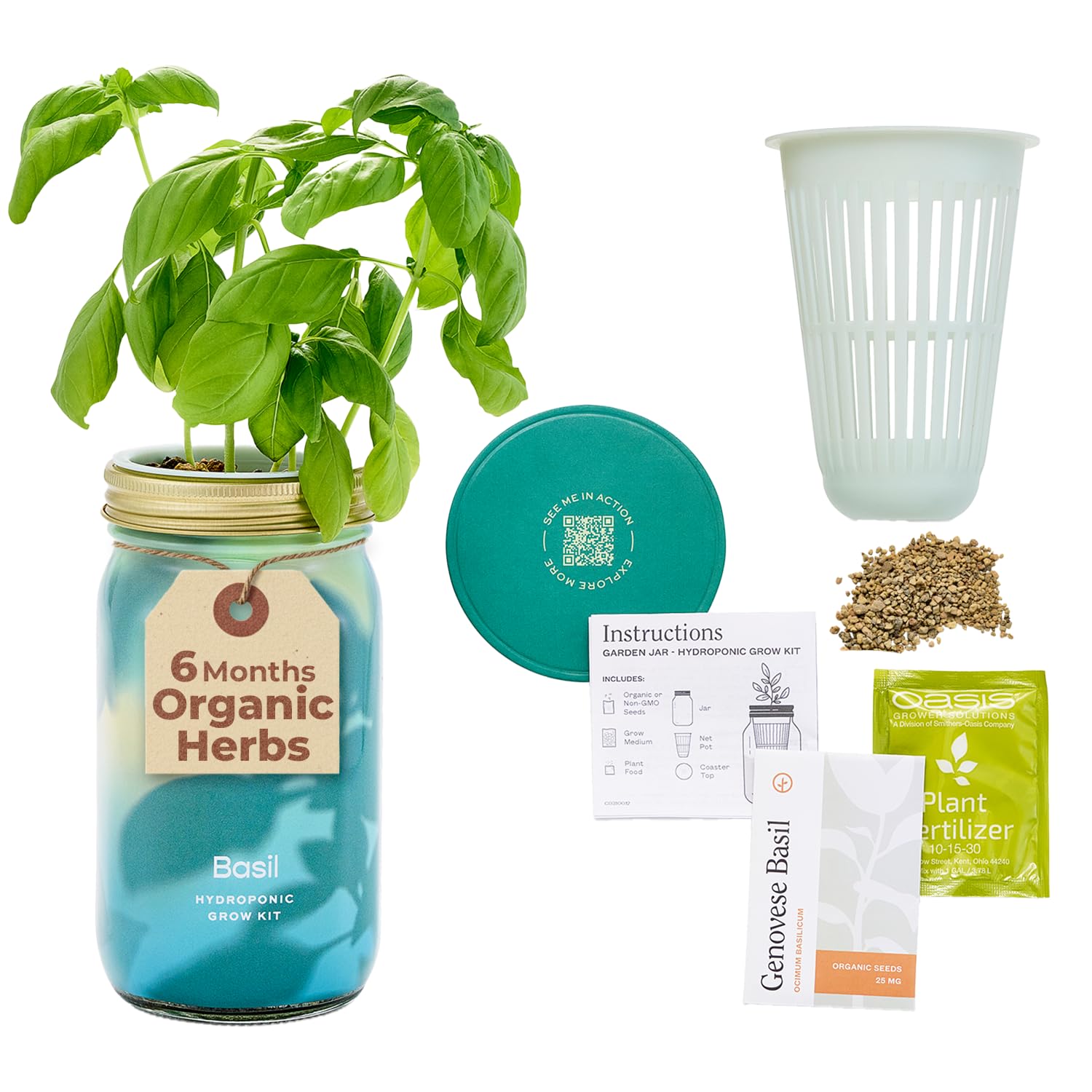
For beginners, the Modern Sprout Basil Garden Jar offers a self‑watering hydroponic solution that requires no soil, no transplanting, and minimal maintenance. Priced at $20.00, the kit includes recyclable mason jar, organic non‑GMO basil seeds, lava rock medium, and plant food. Customers rate it 3.8/5.0 based on 152 reviews, noting that “the seeds sprouted within a week and the jar looks chic on my desk.” The dual‑purpose design serves both as décor and a functional growing system.
-
2. Mint (Mentha spicata) – Fresh Breath for Pets
Mint is safe for cats and dogs and can help freshen a pet’s breath when a small leaf is offered under supervision. In hydroponic form, mint grows rapidly and can be harvested continuously, providing a steady supply for teas, salads, and garnish.
Mint thrives in a nutrient‑rich water solution and prefers indirect sunlight. A simple glass container with a net pot works well, and the plant’s vigorous root system makes it forgiving for novice growers.
-
3. Parsley (Petroselinum crispum) – Vitamin‑Rich Green
Flat‑leaf parsley is safe for dogs and cats in modest amounts and supplies vitamins A, C, and K. Hydroponic parsley produces lush, bright green leaves that add color to dishes and can be used as a natural breath freshener for dogs.
Because parsley prefers cooler temperatures, placing the hydroponic tray near a north‑facing window helps maintain optimal growth without overheating the water reservoir.
-
4. Cilantro (Coriandrum sativum) – Flavorful and Pet‑Friendly
Cilantro’s citrusy flavor is beloved in many cuisines and it is non‑toxic to pets. Hydroponic cilantro can be harvested leaf‑by‑leaf, encouraging continuous growth. The plant prefers a slightly acidic nutrient solution and bright, indirect light.
Pet owners should monitor the amount their animals ingest, as excessive consumption may cause mild stomach upset, though this is rare.
-
5. Thyme (Thymus vulgaris) – Aromatic Protector
Thyme is safe for cats and dogs and its strong scent can deter insects without the need for chemical repellents. In a hydroponic system, thyme forms compact, woody stems that require occasional pruning to maintain a tidy appearance.
The herb tolerates lower humidity, making it suitable for indoor environments where heating or air‑conditioning may dry the air.
-
6. Oregano (Origanum vulgare) – Robust and Resilient
Oregano is another pet‑safe herb that adds depth to sauces, pizzas, and marinades. Its hardy nature means it can survive occasional fluctuations in water level, a useful trait for busy pet owners.
When grown hydroponically, oregano benefits from a slightly higher nutrient concentration than more delicate herbs, encouraging robust leaf production.
-
7. Chives (Allium schoenoprasum) – Mild Onion Flavor
Chives are generally considered safe for cats and dogs in small quantities, offering a mild onion‑like flavor that enhances salads and soups. Hydroponic chives produce slender, hollow stems that can be harvested repeatedly.
Because chives belong to the Allium family, it is advisable to keep portions modest; large amounts could cause gastrointestinal irritation in sensitive pets.
-
8. Lemon Balm (Melissa officinalis) – Calming Herb
Lemon balm is non‑toxic to cats and dogs and is known for its mild calming properties. The herb’s citrus scent can be soothing for anxious pets, and it is easy to grow hydroponically with a simple water‑only system.
Regular pruning encourages bushier growth and prevents the plant from becoming leggy.
-
9. Sage (Salvia officinalis) – Earthy Flavor
Sage is safe for dogs and cats when offered in small bites. Its earthy flavor complements roasted vegetables and poultry dishes. Hydroponic sage prefers a well‑aerated water solution and plenty of light to avoid leaf yellowing.
Because sage can become woody over time, occasional trimming helps maintain tender, flavorful leaves.
-
10. Dill (Anethum graveolens) – Fresh Pickle Accent
Dill is non‑toxic to pets and adds a bright, feathery texture to salads and fish dishes. In hydroponics, dill grows tall and slender, so a taller container or vertical system is beneficial.
Providing a steady flow of fresh nutrient solution prevents the plant from becoming spindly and ensures a continuous harvest.
-
11. Tarragon (Artemisia dracunculus) – Subtle Anise Note
Tarragon is safe for cats and dogs and imparts a delicate anise flavor to sauces and vinaigrettes. Hydroponic tarragon thrives in a slightly alkaline water environment and prefers bright, indirect light.
Regular harvesting stimulates new growth, keeping the plant compact and productive.
-
12. Rosemary (Rosmarinus officinalis) – Robust Aromatic
Rosemary is non‑toxic to pets and is celebrated for its pine‑like aroma. In a hydroponic setup, rosemary benefits from a well‑draining medium such as lava rock, similar to the one included in the Modern Sprout kit, to prevent root rot.
Because rosemary can become woody, pruning the tips encourages fresh, tender shoots suitable for culinary use.
Comparison of Key Features (Hydroponic Herb Kits)
| Product | Price | Herb(s) Included | Rating | Key Benefit |
|---|---|---|---|---|
| Modern Sprout Basil Garden Jar | $20.00 | Basil (seed kit) | 3.8/5.0 (152 reviews) | Self‑watering, recyclable jar, stylish décor |
Conclusion
Choosing pet‑safe hydroponic herbs allows owners to enjoy fresh flavors while ensuring the wellbeing of their cats and dogs. The twelve herbs listed above provide a diverse palette of tastes, from the sweet aroma of basil to the earthy depth of rosemary, all of which can thrive in water‑based systems.
For those starting their indoor garden, the Modern Sprout Basil Garden Jar offers a low‑maintenance, aesthetically pleasing entry point. Once comfortable with basil, expanding to other pet‑friendly herbs is straightforward and rewarding.
Frequently Asked Questions
What are hydroponic herbs and how do they differ from soil‑grown herbs?
Hydroponic herbs grow in nutrient‑rich water instead of soil, allowing faster growth and year‑round harvest on a windowsill or counter.
Which herbs are safe for cats and dogs when grown hydroponically?
Basil, parsley, rosemary, thyme, mint, chives, dill, cilantro, sage, oregano, and a few others are non‑toxic to both cats and dogs.
Why is basil considered a top choice for pet‑friendly indoor gardens?
Basil is non‑toxic, versatile in cooking, and its scent helps mask kitchen odors, making it ideal for homes with pets.
How can I start a hydroponic basil garden at home?
Use a starter kit like the Modern Sprout Basil Garden Jar, add water, nutrient solution, and place it in indirect light for quick growth.
Do hydroponic herbs require special maintenance for pet safety?
Simply keep the water clean and avoid adding pesticides; the herbs themselves remain safe for cats and dogs.