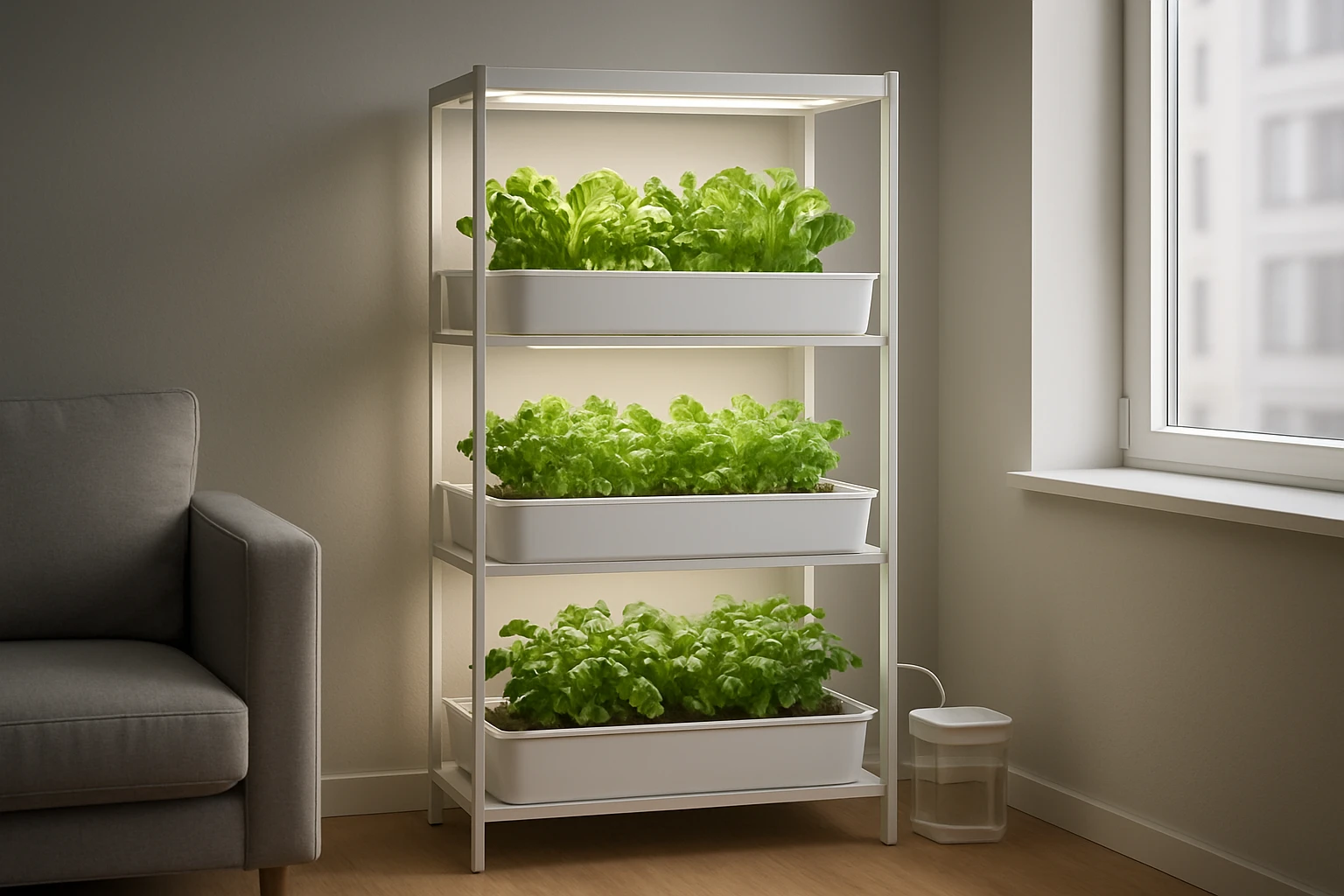
The Ultimate Guide to Compact Hydroponic Systems for Apartments: Grow Fresh Herbs & Veggies in Small Spaces
Introduction
This guide explains how urban dwellers can cultivate fresh herbs and vegetables within limited living areas. Readers will learn essential hydroponic concepts, evaluate three highly rated countertop systems, and receive actionable tips for successful indoor gardening. By the end of the article, one will be equipped to select a suitable kit, set up a thriving grow environment, and maintain a continuous harvest without sacrificing valuable floor space.
Background & Context
Hydroponics is a soilless cultivation method that delivers nutrients directly to plant roots through a water‑based solution. Because the medium is eliminated, plants grow faster, use less water, and require far less area than traditional soil gardening. In apartments, the absence of outdoor soil, limited sunlight, and strict space constraints make hydroponics an ideal solution for self‑sufficient food production.
Key terms include:
- LED grow light: Provides the specific light spectrum needed for photosynthesis, often adjustable for vegetative and flowering stages.
- Nutrient film technique (NFT): A thin film of nutrient solution flows over the roots, supplying oxygen and minerals efficiently.
- Water tank capacity: Determines how long the system can operate without refilling, influencing maintenance frequency.
Understanding these fundamentals helps users match system specifications to their living conditions and culinary goals.
Choosing the Right Compact System
When evaluating countertop hydroponic kits, consider the following criteria:
- Space footprint: Measure available countertop or shelf area; a vertical design can maximize planting density.
- Plant capacity: Determine how many herbs or vegetables one intends to grow simultaneously.
- Lighting flexibility: Adjustable LED schedules enable growth of leafy greens and fruiting plants alike.
- Ease of use: Beginners benefit from intuitive controls, clear instructions, and low‑maintenance water circulation.
- Budget and value: Compare price against features such as water tank size, pump quality, and warranty coverage.
Applying these factors narrows the field to three standout products that excel in compact environments.
Product Recommendations
1. Ahopegarden Indoor Hydroponic Garden Kit
Ahopegarden Indoor Hydroponic Garden Kit offers a sleek, 17‑inch vertical design that fits comfortably on kitchen counters. Constructed from durable ABS plastic, the unit features an LCD touchscreen for one‑touch operation and a full‑spectrum LED panel that adapts to various growth stages. The water tank holds up to 5 L, and an ultra‑quiet pump circulates nutrient solution on a 30‑minute cycle, preserving a peaceful living environment.
Key specifications:
- 12 planting pods, each supporting herbs or leafy greens
- Adjustable height to prevent light burn on taller stems
- 22‑hour lighting mode that can increase flowering rates by up to 50 %
- Rating: 4.7/5 from 716 reviews
- Price: $59.99
Customer sentiment highlights quick setup, quiet operation, and suitability for both beginners and tech‑savvy gardeners. The system’s modern aesthetic also makes it an attractive decorative piece.
2. VIVOSUN 36‑Site Hydroponic Grow Kit
VIVOSUN 36‑Site Hydroponic Grow Kit expands planting capacity to 36 sites using food‑grade PVC‑U pipes. The kit includes a timer that activates the pump for five minutes every thirty minutes, creating a nutrient film that maximizes yield while conserving water. Each pipe measures 31.1 inches in length, allowing growers to arrange the system vertically or horizontally depending on available space.
Key specifications:
- High‑yield NFT design that can double production compared with soil li>
- Timer‑controlled pump for energy efficiency
- Includes planting basket, sponge, tweezers, and three instruction manuals
- Rating: 4/5 from 1,284 reviews
- Price: $74.99
Users appreciate the system’s scalability and professional appearance, though some note that additional modifications may be required to achieve optimal flow. The robust construction makes it suitable for larger apartment balconies or shared community kitchens.
3. LetPot Smart Indoor Hydroponics System
LetPot Smart Indoor Hydroponics System combines Wi‑Fi connectivity with a patented app that controls lighting schedules, water reminders, and growth tracking. The 24‑watt full‑spectrum LED can accelerate growth by up to 40 % compared with conventional indoor methods. A 5.5‑L water tank provides up to three weeks of autonomous operation, and the adjustable light rod accommodates plants from seedlings to mature herbs.
Key specifications:
- 12 planting cups with sponges, baskets, and nutrient packs
- Two LED modes (vegetative blue, flowering red)
- App‑controlled 0‑24 hour lighting schedule
- Rating: 4.5/5 from 1,934 reviews
- Price: $119.97
Positive reviews praise rapid germination and intuitive app features, while a minority cite occasional connectivity glitches. The system is ideal for users who desire data‑driven cultivation and a polished, modern aesthetic.
Comparison & Selection Guide
| Feature | Ahopegarden Indoor Kit | VIVOSUN 36‑Site Kit | LetPot Smart System |
|---|---|---|---|
| Plant Capacity | 12 pods | 36 sites | 12 cups |
| Footprint | Vertical 17" profile | Modular PVC layout (customizable) | Compact tabletop, adjustable light rod |
| Water Tank | 5 L | Integrated pump with timer (no explicit tank) | 5.5 L |
| Lighting Control | LCD touchscreen, 22‑hour mode | Timer‑based pump, manual light placement | App‑controlled 0‑24 hour schedule, two spectra |
| Price | $59.99 | $74.99 | $119.97 |
| Average Rating | 4.7/5 | 4/5 | 4.5/5 |
For a beginner with limited counter space, the Ahopegarden kit offers the best value and user‑friendly interface. Growers who require higher output or wish to experiment with NFT should consider the VIVOSUN system, acknowledging the need for occasional adjustments. Technology‑focused gardeners who enjoy monitoring growth data will find the LetPot system the most rewarding, despite its higher price point.
Best Practices & Tips for Apartment Hydroponics
- Optimize Light Distance: Position the LED panel 6‑12 inches above foliage to prevent leaf burn while ensuring sufficient photon exposure.
- Maintain Nutrient Balance: Use a balanced hydroponic fertilizer formulated for leafy greens; monitor EC (electrical conductivity) weekly.
- Control Temperature and Humidity: Ideal growing temperatures range from 68‑75 °F; use a small fan to circulate air and reduce mold risk.
- Rotate Crops: Stagger planting cycles so that a continuous harvest is available without overwhelming the system’s capacity.
- Regularly Clean the Reservoir: Every two weeks, flush the water tank with fresh, dechlorinated water to prevent algae buildup.
- Utilize Vertical Space: For kits with adjustable height, raise the tower as plants mature to maintain even light distribution.
- Monitor pH Levels: Keep the nutrient solution pH between 5.5 and 6.5 for optimal nutrient uptake.
Applying these practices will extend the lifespan of the equipment, improve plant health, and maximize yield in confined environments.
Frequently Asked Questions
- Can hydroponic systems grow fruiting vegetables in an apartment? Yes, many compact kits support small fruiting varieties such as cherry tomatoes and strawberries, provided the system supplies adequate light intensity and space for root development.
- How often must I replace the water? Replace the nutrient solution every two weeks, or more frequently if the water appears cloudy or the EC reading rises sharply.
- Do I need electricity continuously? Most countertop systems operate the pump for short intervals (e.g., 30 minutes per hour). A standard outlet is sufficient, and the energy consumption is comparable to a low‑wattage LED bulb.
- Is it safe for pets? The sealed water reservoirs and quiet pumps pose no hazard to cats or dogs, but keep cords out of reach to prevent chewing.
- Can I use tap water? Tap water can be used if it is filtered to remove chlorine and heavy metals; otherwise, nutrient uptake may be impaired.
- What is the typical harvest time for basil? Under optimal lighting and nutrient conditions, basil can be harvested within 4‑6 weeks from seedling stage.
- Do I need a separate grow tent? No, the integrated LED panels provide sufficient light for most herbs; a tent is only necessary for growers seeking complete environmental isolation.
Conclusion
Compact hydroponic systems empower apartment residents to produce fresh, nutritious herbs and vegetables year‑round. By understanding core principles, evaluating space, and selecting a kit that aligns with personal goals, one can achieve a reliable indoor garden without sacrificing living area. The three products highlighted—Ahopegarden Indoor Hydroponic Garden Kit, VIVOSUN 36‑Site Hydroponic Grow Kit, and LetPot Smart Indoor Hydroponics System—represent a spectrum of price points, capacities, and technological features, ensuring that every urban gardener can find a suitable solution.
Implementing the best‑practice guidelines and addressing common concerns will further enhance success, turning a modest countertop into a vibrant source of home‑grown produce.
Products Featured in This Guide
Ahopegarden Indoor Hydroponic Garden Kit
Price: $59.99 | Rating: 4.7/5 (716 reviews)
Featured for its compact vertical design, intuitive touchscreen, and quiet 5 L water reservoir, making it ideal for small kitchens.
VIVOSUN 36‑Site Hydroponic Grow Kit
Price: $74.99 | Rating: 4/5 (1,284 reviews)
Featured for its high‑capacity NFT design, timer‑controlled pump, and modular PVC construction suitable for larger apartment balconies.
LetPot Smart Indoor Hydroponics System
Price: $119.97 | Rating: 4.5/5 (1,934 reviews)
Featured for its Wi‑Fi‑enabled app, dual‑spectrum LED, and 5.5 L tank, offering a data‑driven experience for tech‑oriented growers.