Introduction
The modern indoor gardener seeks efficiency, sustainability, and space‑saving solutions. Hydroponic Tower promises to meet those demands by combining vertical design with automated water circulation. Understanding how this system performs against market expectations is essential for anyone considering a home‑grown produce setup. This article examines the tower in depth, evaluates its value proposition, and determines the scenarios in which it excels.
Hydroponics replaces soil with nutrient‑rich water, allowing plants to develop faster and with less waste. The tower’s 12‑layer configuration maximizes yield per square foot, a critical factor for apartment dwellers and balcony gardeners. By reviewing specifications, pricing, and functional attributes, one can decide whether the investment aligns with personal growing goals. The analysis follows a structured format that includes individual overviews, a head‑to‑head comparison, a specification table, pros and cons, recommendations, and a concise FAQ.
Individual Product Overview
Hydroponic Tower – Key Strengths
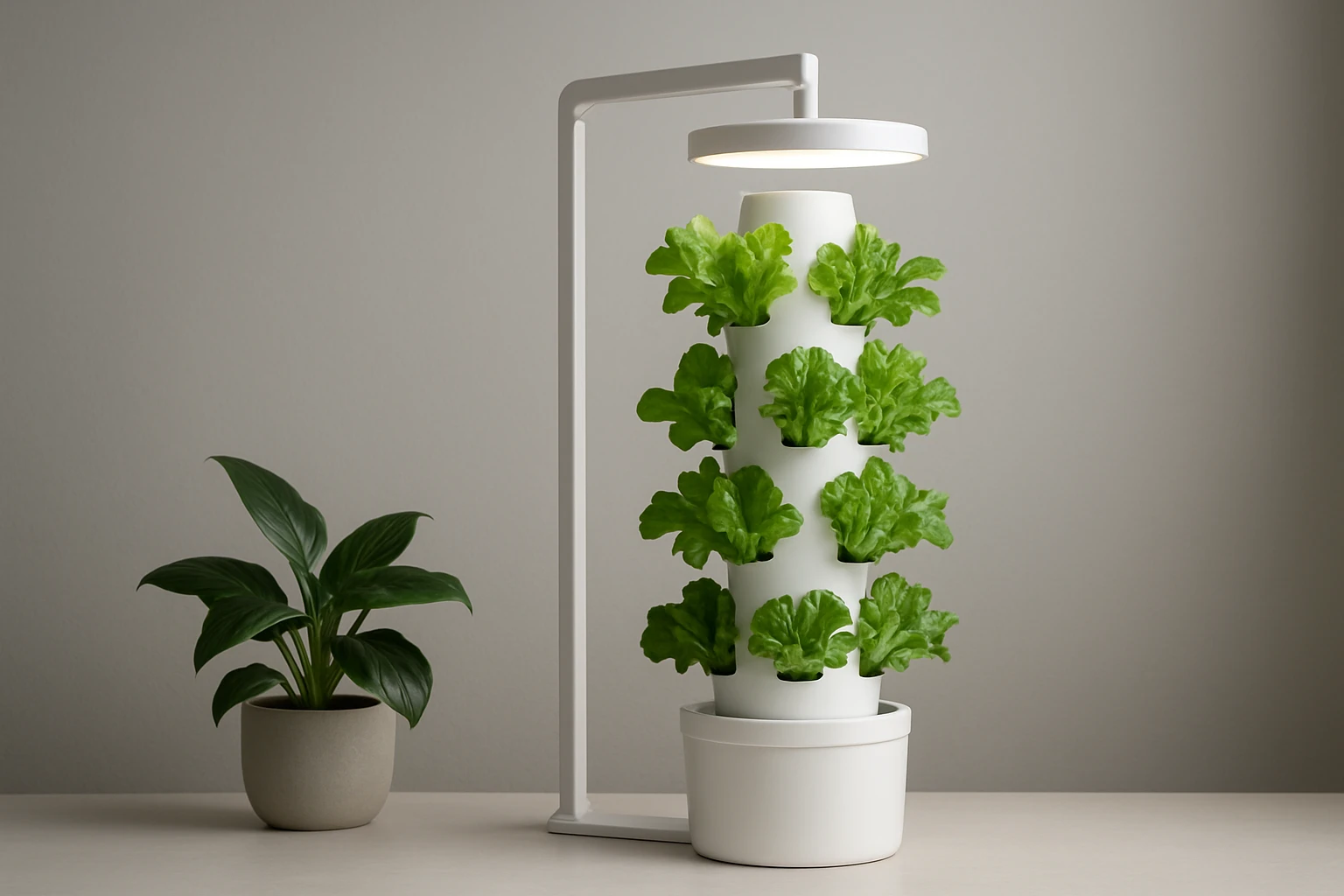
The Generic Hydroponic Tower is marketed as a 12‑layer, 60‑tray system equipped with a timer and a 50‑liter water tank. Its primary strengths include a vertical high‑efficiency design, an enlarged water reservoir, and a timed water‑cycle system. The tower supports a variety of crops such as strawberries, leafy vegetables, tomatoes, basil, and edible flowers, making it versatile for different culinary preferences. The inclusion of four wheels enables effortless relocation, an advantage for users who may need to adjust lighting conditions.
Technical specifications indicate a compact footprint of either 45.5 × 45.5 × 166 cm (Type A) or 45.5 × 45.5 × 192 cm (Type B). The unit operates on a universal input voltage of 90‑245 V and consumes 10 W of power, reflecting low energy demand. Each layer holds five planting baskets, totaling 60 baskets that accommodate a broad range of plant types. The package includes a 12 V water pump with filter, a power adapter, hydroponic sponges, non‑woven fabric for germination, and a water‑level gauge, providing a comprehensive starter kit.
Pricing is set at $150.56, with a perfect 5‑star rating based on zero customer reviews at the time of writing. Availability is limited to six units, suggesting a modest inventory that may affect purchase urgency. The product’s Amazon listing emphasizes minimal maintenance requirements, positioning it as an ideal solution for beginners who lack extensive horticultural experience.
Head‑to‑Head Comparison
Although only one product is examined, the comparison focuses on two size variants—Type A and Type B—within the same model line. This approach highlights how dimensional differences influence price‑value perception, feature relevance, and practical deployment.
Price and Value
- Both variants share the same listed price of $150.56, offering identical cost for differing heights.
- The larger Type B provides additional vertical space, potentially accommodating taller plant varieties without increasing expense.
- Considering the 50‑liter water tank and automated timer, the price reflects a competitive entry‑level offering compared to similar market products that often exceed $200.
Features and Specifications
| Specification | Hydroponic Tower (Type A) | Hydroponic Tower (Type B) |
|---|---|---|
| Dimensions (HxWxD) | 166 cm × 45.5 cm × 45.5 cm | 192 cm × 45.5 cm × 45.5 cm |
| Number of Layers | 12 | 12 |
| Planting Baskets per Layer | 5 (total 60) | 5 (total 60) |
| Water Tank Capacity | 50 L | 50 L |
| Power Consumption | 10 W | 10 W |
| Voltage Range | 90‑245 V | 90‑245 V |
| Mobility | 4 wheels | 4 wheels |
| Included Accessories | Water pump, power adapter, sponges, non‑woven fabric, baskets, gauge, blueprint | Same as Type A |
Customer Ratings and Feedback
The Amazon listing displays a flawless 5‑star rating, yet it currently reflects zero customer reviews. Consequently, there are no direct user quotes to cite. The absence of feedback suggests that prospective buyers must rely on the manufacturer’s specifications and the product’s design claims.
Performance and Reliability
Performance hinges on the automated water‑circulation system, which delivers nutrient solution from the top to the bottom of the tower. The timer allows users to schedule watering cycles, reducing manual intervention and conserving water. The 50‑liter reservoir minimizes the frequency of refilling, a feature that enhances reliability for continuous operation.
Reliability also depends on the quality of the 12 V pump and the durability of the non‑woven fabric used for germination. While the product description does not provide independent test data, the low power draw and solid construction materials imply a long service life under typical indoor conditions.
Best Use Cases
- Urban apartments with limited floor space, where vertical growth maximizes yield per square foot.
- Balconies or rooftops that receive adequate sunlight, allowing the tower to thrive without supplemental grow lights.
- Beginner gardeners who desire a low‑maintenance system that includes all necessary components out of the box.
- Educational settings such as schools or community centers, where the visual impact of a 12‑layer tower can illustrate hydroponic principles.
Pros & Cons
Hydroponic Tower (Both Types)
- Pros:
- Vertical design conserves floor space while offering 60 planting sites.
- Large 50‑liter water tank reduces refill frequency.
- Integrated timer automates watering cycles, saving time.
- Four wheels provide mobility for optimal light exposure.
- Comprehensive starter kit includes pump, sponges, and gauge.
- Cons:
- Zero customer reviews limit insight into real‑world performance.
- Only six units left in stock, indicating potential supply constraints.
- Height of Type B may exceed ceiling clearance in some apartments.
- Power consumption, while low, still requires a nearby outlet.
Recommendations
For individuals with modest indoor space who wish to grow a variety of leafy greens and small fruiting plants, the Hydroponic Tower offers an attractive balance of capacity and convenience. Those who require additional vertical clearance for taller crops should opt for the Type B version, accepting the slightly larger footprint without incurring extra cost. Beginners will appreciate the all‑in‑one package and the automated timer, which together simplify the learning curve.
Conversely, experienced growers seeking advanced nutrient control or larger commercial yields may find the 60‑basket limit restrictive. In such cases, a multi‑tower setup or a larger‑scale hydroponic system would be more appropriate. However, for hobbyists and small‑scale producers, the tower remains a cost‑effective entry point.
FAQ
- How often must the water tank be refilled? With a 50‑liter capacity, most indoor setups will require refilling once every one to two weeks, depending on plant density and ambient temperature.
- Can the tower operate without electricity? The pump and timer require power; therefore, the system cannot function without an electrical source.
- Is artificial lighting necessary? If natural sunlight is insufficient, supplemental LED grow lights can be positioned above the tower to ensure adequate photosynthesis.
- What types of plants grow best in this system? Leafy vegetables such as lettuce, spinach, and kale, as well as herbs like basil and small fruiting plants like strawberries, perform well due to their shallow root systems.
- How much maintenance does the tower require? Maintenance primarily involves monitoring water levels, occasional cleaning of the pump filter, and replacing spent growing media every few months.
- Is the tower suitable for outdoor use? While it can be placed on a balcony, exposure to rain or extreme temperatures may damage the electrical components; indoor use is recommended.
- Does the tower come with a warranty? The product description does not specify a warranty; buyers should consult the seller’s policy on the Amazon listing.
Conclusion
The Generic Indoor Hydroponic Tower delivers a well‑designed, space‑efficient solution for indoor growers seeking a low‑maintenance system. Its 12‑layer architecture, sizable water reservoir, and automated timer provide tangible benefits that justify the $150.56 price point. While the lack of customer reviews introduces some uncertainty, the comprehensive accessory bundle and solid specifications suggest reliable performance for beginners and casual gardeners. For most home growers, especially those with limited floor area, the tower represents a sensible investment.
Products Mentioned in This Review
Frequently Asked Questions
What are the main benefits of using a hydroponic tower for indoor gardening?
Hydroponic towers save space with vertical growth, accelerate plant development, and reduce water and nutrient waste compared to soil.
How many plant layers does the reviewed hydroponic tower have, and why is this important?
It features 12 layers, allowing higher yields per square foot, which is ideal for apartments and balconies.
Is the hydroponic tower suitable for beginners?
Yes, its automated water circulation and simple setup make it user‑friendly for novice growers.
What factors should be considered when comparing hydroponic towers to other indoor systems?
Consider layer count, water pump reliability, price, nutrient delivery method, and the size of the growing area.
Can the hydroponic tower be used year‑round in any climate?
Since it operates indoors with controlled water and nutrients, it can produce crops year‑round regardless of external weather.