Introduction
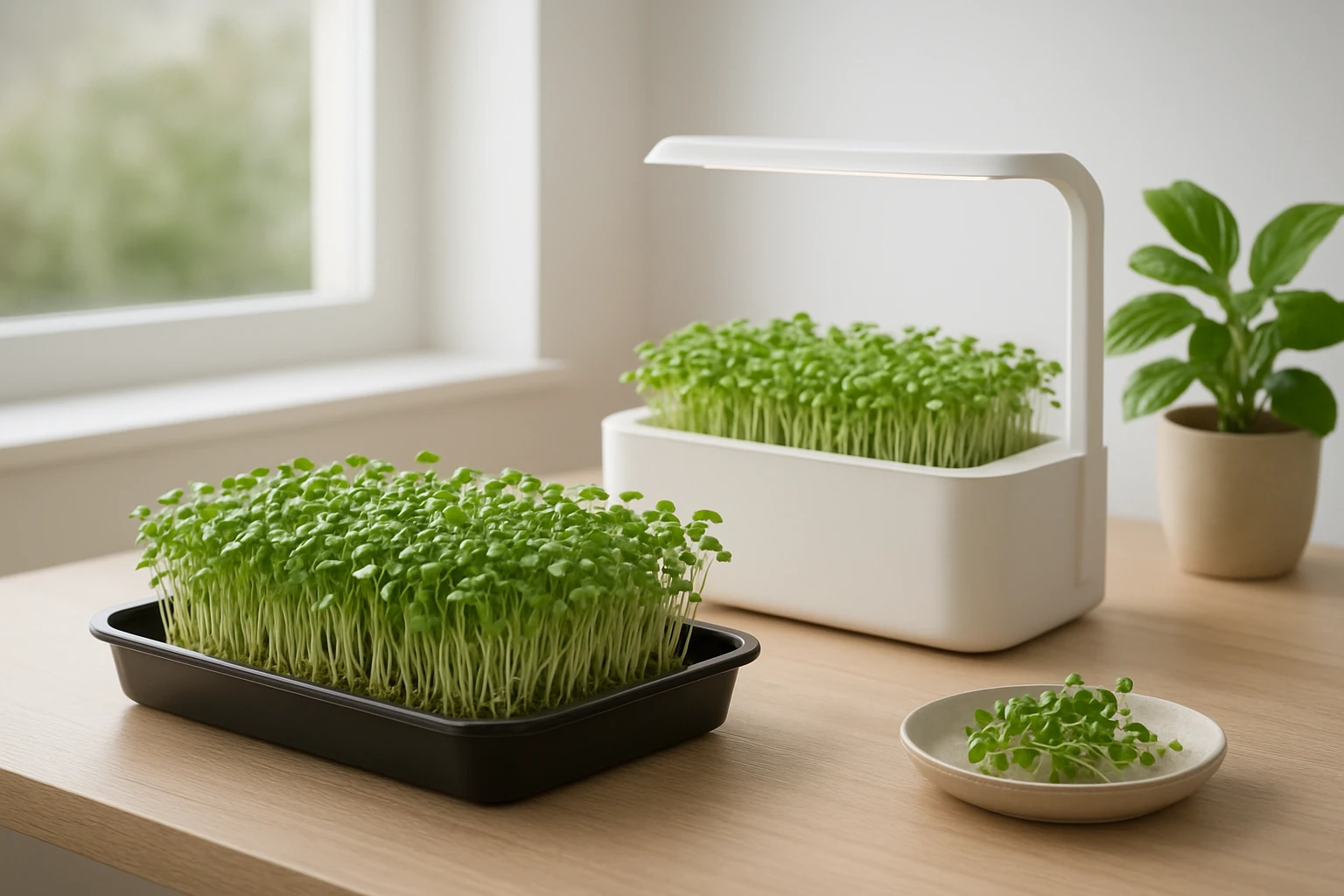
Microgreens have become a lucrative niche for home entrepreneurs because they require minimal space, mature quickly, and command premium prices at farmers markets and restaurants. This guide explains how a beginner can establish a profitable microgreens hydroponic operation from a modest living space. Readers will learn the essential concepts, equipment choices, step‑by‑step setup procedures, and marketing tactics needed to generate revenue within weeks. By the end of the article, one will possess a clear roadmap from seed selection to sales fulfillment.
Background and Context
Hydroponics is a soil‑free cultivation method that delivers nutrients directly to plant roots via a water‑based solution. The technique conserves up to 90% of water compared with traditional agriculture and enables precise control over pH, nutrient concentration, and oxygen levels. Microgreens are the tender, young shoots of vegetables such as kale, radish, and basil, harvested 7‑21 days after germination. Their short growth cycle, high nutrient density, and vibrant colors make them attractive to health‑conscious consumers.
Understanding the biology of seed germination is crucial. Seeds require moisture, warmth, and darkness to sprout, after which they need sufficient light to develop chlorophyll. In a hydroponic system, the nutrient film technique (NFT) creates a thin film of nutrient solution that continuously flows over the root zone, providing oxygen and preventing waterlogging. This method is especially suited for microgreens because the shallow root systems can access nutrients without becoming submerged.
Essential Equipment and Product Recommendations
The foundation of a successful microgreens business is reliable equipment. The VIVOSUN Hydroponics Kit offers a complete, 36‑plant NFT system that fits on a kitchen countertop or garage shelf. Each food‑grade PVC‑U pipe measures 31.1 inches long and 2.8 inches in diameter, providing 36 planting sites for leafy varieties such as lettuce, kale, and arugula. The kit includes a water pump with a timer that operates five minutes every thirty minutes, conserving energy while maintaining a steady nutrient flow. At $74.99, the system has a 4‑star rating from 1,304 reviews, indicating strong overall satisfaction.
Lighting is the next critical component. The Wolezek 2-in-1 Indoor Grow Light provides a full‑spectrum output with three color temperature options (660 nm to 6500 K) that can be adjusted for seedling, vegetative, and harvesting stages. Its 360° gooseneck allows precise positioning over the NFT channels, and the built‑in timer (6, 12, or 16 hours) plus five brightness levels give growers fine‑grained control over photoperiod. Priced at $12.79 and holding a 4.6‑star rating from 1,668 reviews, it delivers excellent value for small‑scale operations.
Additional accessories that enhance efficiency include a pH test kit, a calibrated EC meter, and high‑quality growing media such as rockwool cubes or peat pellets. While these items are not listed in the product data, they are inexpensive and widely available at garden centers.
Step‑by‑Step Setup Process
1. Site Selection and Preparation – Choose a location with stable temperature (18‑24 °C) and access to electricity. A spare room, garage corner, or even a large closet can serve as a microgreen hub. Ensure the floor is level; uneven surfaces can cause uneven water flow in NFT systems, leading to root rot.
2. Assemble the Hydroponic Kit – Follow the kit’s instruction manual to connect the PVC pipes, attach the water pump, and secure the timer. The kit’s modular design allows for quick disassembly for cleaning. Apply PVC cement to joints if additional stability is required, as noted by experienced users.
3. Install the Grow Light – Position the Wolezek 2-in-1 Indoor Grow Light above the planting channels at a distance of 12‑18 inches. Use the gooseneck to angle the light evenly across all 36 sites. Begin with the “seedling” color temperature (660 nm) and a low brightness setting for the first 48 hours to encourage germination.
4. Prepare the Growing Medium – Place rockwool cubes or peat pellets into the planting baskets that accompany the hydroponic kit. Soak the medium in a diluted nutrient solution (approximately 1.2 mS cm EC) to pre‑load nutrients.
5. Sow the Seeds – Distribute seeds uniformly across each basket, aiming for a density of 10‑15 seeds per square inch for leafy varieties. Lightly press the seeds into the medium and cover with a thin layer of vermiculite to retain moisture.
6. Initiate Nutrient Flow – Activate the pump timer. The default cycle (5 minutes on, 30 minutes off) creates a thin nutrient film that supplies oxygen while preventing root drowning. Monitor the water level in the reservoir daily and top up with fresh nutrient solution as needed.
7. Manage Light and Temperature – After germination, switch the light to the “vegetative” spectrum (around 4000 K) and increase brightness to 70‑80% of maximum. Maintain a 12‑hour photoperiod for most microgreens, adjusting based on species-specific requirements.
8. Harvest and Post‑Harvest Handling – Microgreens are ready to cut when the first true leaves appear, typically 7‑14 days after sowing. Use clean scissors to harvest just above the growing medium, then rinse briefly with cool water. Store in a refrigerated container for up to five days to preserve freshness before sale.
Comparison and Selection Guide
| Feature | VIVOSUN Hydroponics Kit | Wolezek 2-in-1 Indoor Grow Light |
|---|---|---|
| Primary Function | NFT hydroponic channel system for 36 plants | Full‑spectrum LED grow light with adjustable color and timer |
| Price (USD) | $74.99 | $12.79 |
| Customer Rating | 4.0 / 5.0 (1,304 reviews) | 4.6 / 5.0 (1,668 reviews) |
| Key Advantage | High yield with minimal water usage; easy assembly for beginners | Versatile lighting modes; 360° gooseneck for precise positioning |
| Potential Drawback | Fixed pipe length may limit scaling; occasional clogging reported | Limited power output; best for small‑scale setups |
When choosing equipment, consider the scale of your operation. For a starter business targeting local markets, the VIVOSUN kit provides sufficient capacity without overwhelming complexity. If the budget allows, pairing it with the Wolezek light ensures optimal photosynthesis throughout the growth cycle. Larger entrepreneurs may invest in multiple kits and higher‑wattage LED panels, but the fundamentals remain the same.
Best Practices and Pro Tips
- Maintain a consistent pH between 5.8 and 6.2; fluctuations can stunt growth and alter flavor.
- Rotate seed varieties weekly to keep the product line fresh and attract repeat customers.
- Implement a sanitation protocol: rinse all components with a mild bleach solution weekly to prevent fungal outbreaks.
- Track inventory and growth metrics using a simple spreadsheet; record seed type, sow date, nutrient concentration, and yield weight.
- Offer value‑added packaging, such as biodegradable trays with QR codes linking to recipe ideas, to differentiate your brand.
Frequently Asked Questions
- How much space does a microgreens hydroponic system require? A single VIVOSUN kit occupies roughly 3 ft² of floor area, making it suitable for apartments, garages, or small sheds.
- Can I use tap water for the nutrient solution? Yes, provided the tap water is not excessively hard. Use a water filter or let the water sit 24 hours to allow chlorine to dissipate.
- What is the ideal harvest weight per tray? Most microgreens yield 0.5‑0.8 lb per 10 × 20 inch tray; profitability improves when yields exceed 0.7 lb per tray.
- How often should I replace the nutrient solution? Change the reservoir every 7‑10 days to prevent nutrient imbalances and microbial growth.
- Is it necessary to purchase a separate pump? The VIVOSUN kit includes a pump sized for 36 channels. For larger setups, consider a pump with a flow rate of 80 GPH or less to match the kit’s specifications.
- Can I grow microgreens year‑round? Absolutely; with controlled lighting and temperature, production can continue regardless of external weather conditions.
- What are the most profitable microgreen varieties? Sunflower, pea shoots, and basil command higher market prices due to their flavor and nutritional profile.
Conclusion
Launching a microgreens hydroponic business from home is achievable with modest investment, disciplined workflow, and the right equipment. By employing the VIVOSUN Hydroponics Kit for efficient nutrient delivery and the Wolezek 2‑in‑1 Indoor Grow Light for adaptable illumination, a beginner can produce high‑quality greens within days and generate revenue quickly. Consistent monitoring, proper sanitation, and strategic marketing will transform a hobby into a sustainable micro‑enterprise.
Products Featured in This Guide
VIVOSUN Hydroponics Kit
Price: $74.99 | Rating: 4.0/5.0 (1,304 reviews)
Featured because it provides a complete, beginner‑friendly NFT system that maximizes yield while conserving water.
Wolezek 2-in-1 Indoor Grow Light
Price: $12.79 | Rating: 4.6/5.0 (1,668 reviews)
Featured because its full‑spectrum output, adjustable timer, and flexible gooseneck deliver optimal lighting for rapid microgreen growth.