Introduction
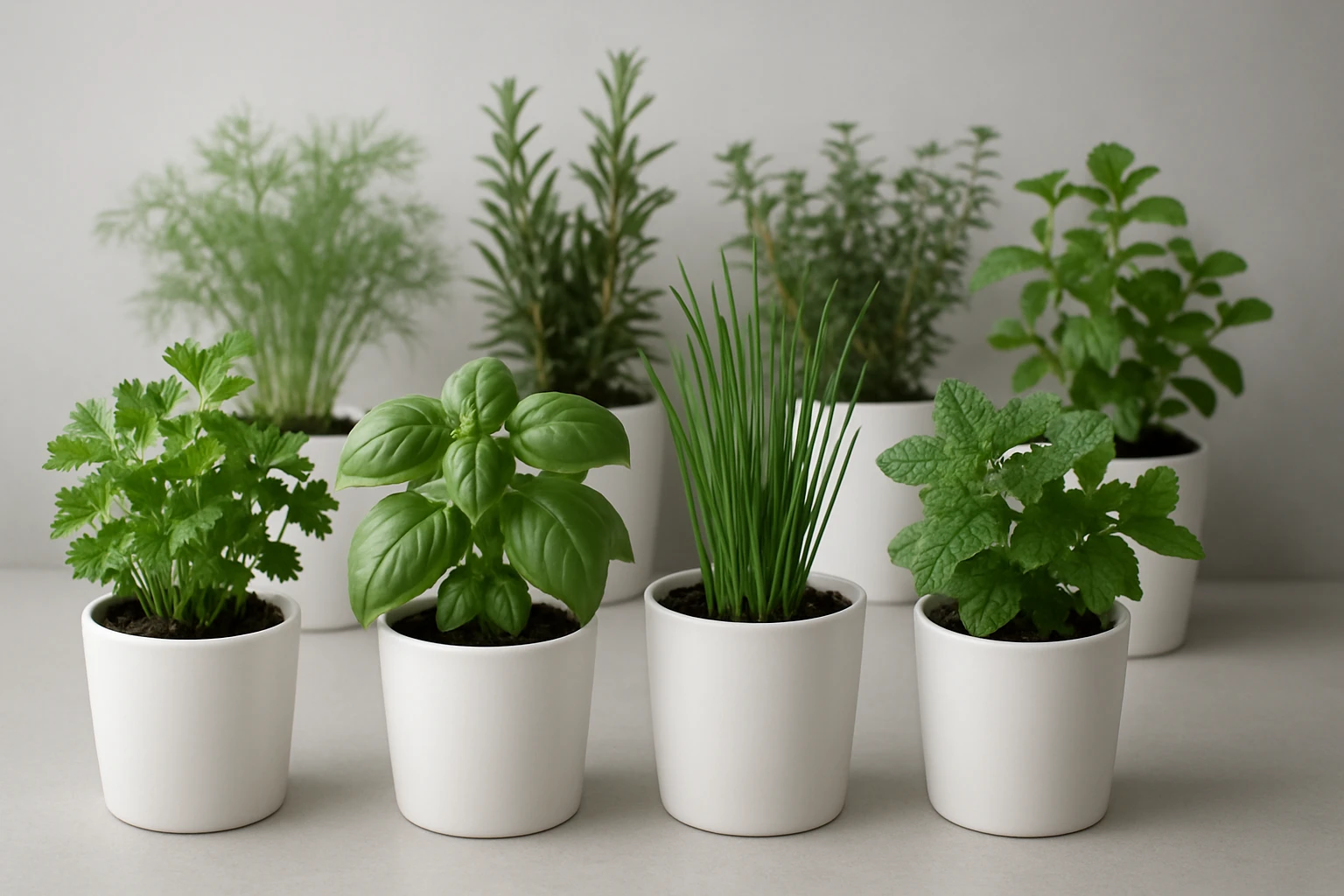
Allergy sufferers often avoid gardening because many herbs release pollen that can trigger symptoms. Indoor hydroponic systems provide a controlled environment where pollen exposure is minimal, allowing individuals to enjoy fresh herbs without discomfort. Understanding which herbs produce low amounts of pollen is essential for creating an allergy‑friendly indoor garden.
In addition to selecting the right herbs, choosing a reliable hydroponic kit simplifies the growing process. Modern kits include nutrient solutions, adjustable lighting, and reusable components that reduce maintenance time. This article presents twelve low‑pollen herbs and pairs each recommendation with a suitable Amazon product, ensuring readers receive practical guidance and trustworthy options.
The following list combines botanical insight with real‑world product performance, drawing on customer reviews and specifications to highlight the most effective solutions for indoor growers.
12 Low‑Pollen Herbs for Indoor Hydroponics
- Basil (Ocimum basilicum) – Sweet basil produces negligible airborne pollen, making it ideal for allergy‑prone individuals. Its aromatic leaves enhance sauces, salads, and teas. For a starter kit, consider the Apoloseedic 7‑Pod Herb Seed Kit. Priced at $16.99, this kit includes basil seeds, grow sponges, and A&B nutrients. With a rating of 4.1 stars from 462 reviews, users praise the high germination rate and reusable components. The kit’s heirloom, non‑GMO seeds ensure robust growth and allow gardeners to save seeds for future seasons.
- Parsley (Petroselinum crispum) – Flat‑leaf parsley releases very little pollen and adds a fresh, slightly peppery flavor to dishes. The same Apoloseedic 7‑Pod Herb Seed Kit supplies parsley seeds and the necessary hydroponic supplies. Reviewers note the convenient pod labels and washable baskets, which simplify organization. At $16.99, the kit offers excellent value for beginners seeking multiple herbs in one package.
- Thyme (Thymus vulgaris) – Thyme’s tiny flowers produce minimal pollen, and its woody stems are prized for seasoning meats and soups. The seed kit mentioned above provides thyme seeds alongside a balanced nutrient solution. Users highlight the biology peat sponges that maintain an optimal air‑to‑water ratio, fostering healthy root development. The kit’s compatibility with AeroGarden and other systems ensures flexibility for various indoor setups.
- Mint (Mentha spp.) – Mint varieties such as spearmint emit low pollen and thrive in moist hydroponic environments. The Apoloseedic 7‑Pod Herb Seed Kit includes mint seeds, allowing gardeners to harvest refreshing leaves for beverages and desserts. Customer feedback emphasizes the kit’s reliable germination and the ability to reuse pods for successive harvests.
- Cilantro (Coriandrum sativum) – Cilantro’s delicate leaves are low‑pollen and add citrus notes to salads and salsas. The seed kit supplies cilantro seeds and nutrient packs, supporting rapid growth. Reviewers appreciate the clear instructions and the resealable seed bags that preserve freshness. At a modest price, the kit delivers a complete solution for indoor herb enthusiasts.
- Dill (Anethum graveolens) – Dill produces fine, feathery foliage with minimal pollen, making it suitable for allergy‑sensitive cooks. The Apoloseedic 7‑Pod Herb Seed Kit provides dill seeds, and users report consistent sprouting within days. The included A&B Plant Food supplies macro and trace elements essential for vigorous vegetative growth.
- Oregano (Origanum vulgare) – Oregano’s robust flavor comes from leaves rather than pollen, keeping airborne allergens low. The seed kit’s oregano seeds are non‑GMO and open‑pollinated, ensuring genetic diversity. Customers mention the durable pod labels that help track growth stages, and the reusable baskets that reduce waste.
- Chives (Allium schoenoprasum) – Chives belong to the onion family but release very little pollen. Their mild onion flavor enhances eggs and soups. For a more advanced system, the Ahopegarden 10‑Pod Hydroponic Garden offers a water reservoir, LED grow light, and circulation pump. Priced at $62.69, it holds a 4.6‑star rating from 3,125 reviews. Users commend the 10‑pod capacity and the transparent water level window, which simplifies monitoring.
- Green Onions (Allium fistulosum) – Green onions produce negligible pollen and are ideal for quick harvests. The Ahopegarden 10‑Pod Hydroponic Garden accommodates green onion seedlings in its adjustable pods. Reviewers highlight the two lighting modes—blue for vegetables and red for fruit—allowing precise control of growth cycles. The height‑adjustable light post supports plants up to 15.3 inches, ensuring ample illumination.
- Watercress (Nasturtium officinale) – Watercress thrives in hydroponic water and releases minimal pollen. The Ahopegarden 10‑Pod Hydroponic Garden provides a steady flow of oxygenated water, which is essential for this semi‑aquatic herb. Customers appreciate the automatic 16‑hour light timer that reduces daily adjustments.
- Lettuce (Lactuca sativa) – Butterhead – While technically a leafy vegetable, butterhead lettuce produces very low pollen and adds texture to salads. The SUNCOZE 12‑Pod Hydroponics Kit includes a 20W full‑spectrum LED and an adjustable height range from 2.2 to 12.4 inches. Priced at $44.98, it holds a 4.5‑star rating from 144 reviews. Users note the visible 4L water tank and the pump cycle (5 min on, 25 min off) that optimizes nutrient delivery.
- Spinach (Spinacia oleracea) – Baby – Baby spinach leaves are low‑pollen and rich in iron. The SUNCOZE 12‑Pod Hydroponics Kit supports rapid leaf development thanks to the auto‑timer (12/14/16 hours) and the full‑spectrum light that mimics natural sunlight. Customer feedback praises the one‑touch control button and the sleek black design that fits modern kitchens.
Comparison of Featured Hydroponic Kits
| Product | Pods | Price | Rating | Key Feature |
|---|---|---|---|---|
| Apoloseedic 7‑Pod Herb Seed Kit | 7 (seed kit) | $16.99 | 4.1/5 (462) | All heirloom seeds, reusable pods |
| Ahopegarden 10‑Pod Hydroponic Garden | 10 | $62.69 | 4.6/5 (3,125) | LED light with two modes, water‑level window |
| SUNCOZE 12‑Pod Hydroponics Kit | 12 | $44.98 | 4.5/5 (144) | Visible tank, auto timer, adjustable height |
Conclusion
Choosing low‑pollen herbs for indoor hydroponics enables allergy sufferers to enjoy fresh, flavorful produce year‑round without compromising health. By pairing these herbs with reliable kits such as the Apoloseedic seed kit, the Ahopegarden garden, or the SUNCOZE system, growers can achieve consistent yields with minimal effort.
Readers are encouraged to assess their space, budget, and preferred herb selection before investing in a hydroponic solution. The products highlighted in this article have demonstrated strong performance through customer reviews and feature sets, making them trustworthy choices for both novices and experienced indoor gardeners.
Frequently Asked Questions
Which herbs are considered low‑pollen and safe for allergy sufferers in indoor hydroponics?
Basil, mint, cilantro, parsley, chives, thyme, oregano, rosemary, dill, sage, lemon balm, and tarragon produce minimal airborne pollen and are ideal for indoor hydroponic gardens.
How does an indoor hydroponic system reduce pollen exposure compared to traditional gardening?
Hydroponics eliminates soil and wind, containing plant growth in a closed environment where pollen cannot disperse widely, thus lowering allergen exposure.
What features should I look for in a hydroponic kit for growing low‑pollen herbs?
Choose a kit with adjustable LED lighting, a reliable nutrient reservoir, easy‑to‑clean grow trays, and modular components that simplify maintenance.
Can low‑pollen herbs still cause allergic reactions for highly sensitive individuals?
While they release negligible pollen, some people may react to plant oils or skin contact, so monitor symptoms and handle plants with care.
Is it necessary to use specific nutrients for low‑pollen herbs in hydroponics?
Standard hydroponic nutrient solutions balanced for leafy greens work well; just follow label ratios and adjust pH to 5.5‑6.5 for optimal herb growth.