Introduction
Urban living frequently forces culinary enthusiasts to confront limited counter space, yet the desire for fresh, pesticide‑free herbs remains strong. Modern hydroponic systems provide a soil‑free solution that fits within a narrow kitchen alcove, delivering year‑round harvests without the need for outdoor plots.
Choosing a compact system requires balancing capacity, lighting technology, and ease of maintenance; each factor influences both the quality of the produce and the user experience. The following listicle evaluates ten distinct categories, highlighting how each recommendation addresses a specific kitchen challenge while integrating real‑world performance data from verified Amazon customers.
1. All‑In‑One Large Capacity Solution
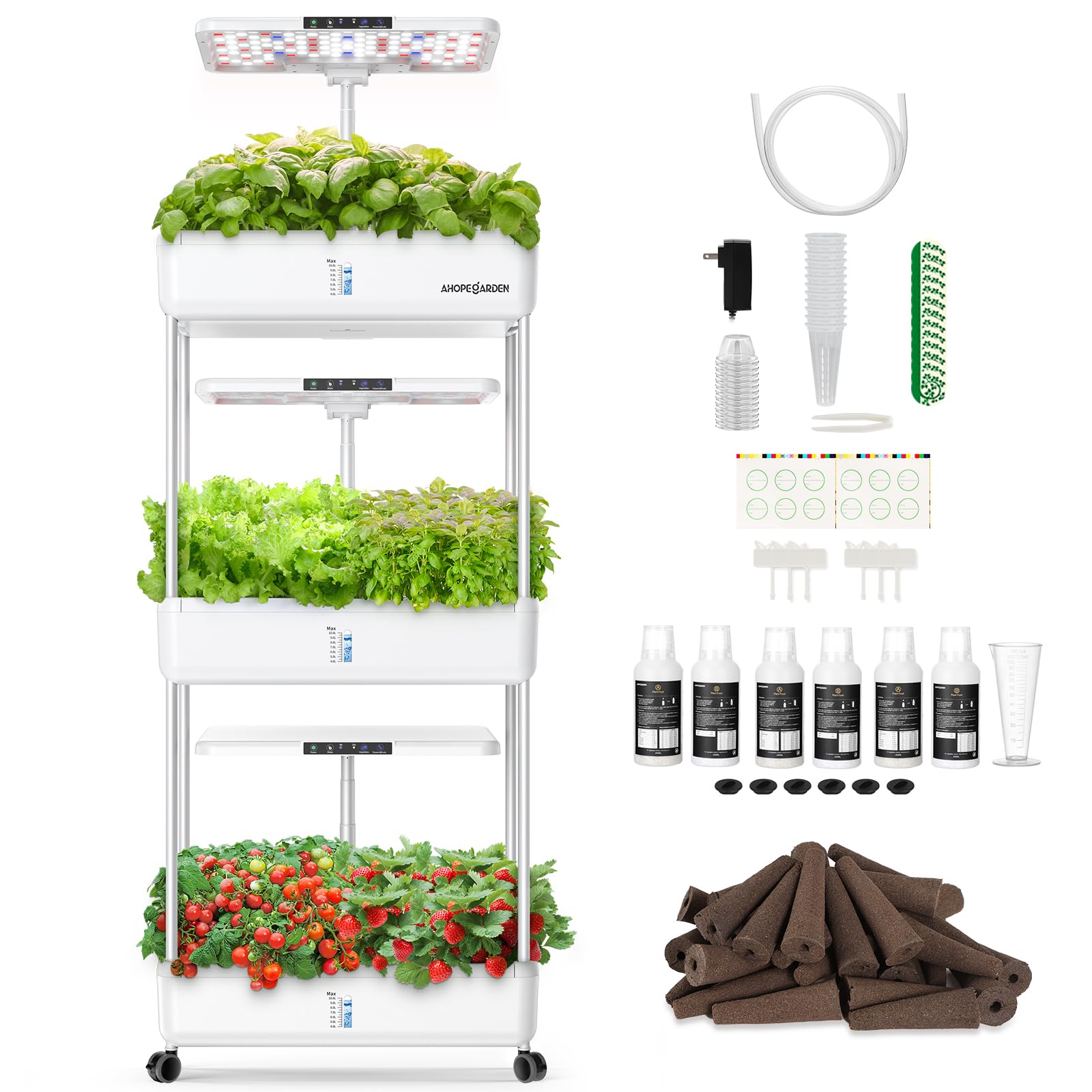
For households that intend to grow a variety of vegetables, herbs, and even small fruits, a system with ample water reservoir and multiple growth zones is essential. The Ahopegarden Hydroponics Kit offers a 30‑liter capacity spread across three independent tanks, enabling simultaneous cultivation of up to 66 plants.
Its dual‑mode LED panel delivers 16‑hour and 22‑hour cycles, a configuration that has been reported to increase tomato yields by roughly fifty percent while enhancing natural sugar levels. Customers appreciate the silent pump and smart panel, which automate water circulation and oxygenation, thereby reducing manual intervention.
At a price of $299.99 and a rating of 4.6 out of 5 from eighty‑three reviews, the kit positions itself as a premium choice for serious indoor growers who value both productivity and aesthetic design.
2. Budget‑Friendly Compact Starter
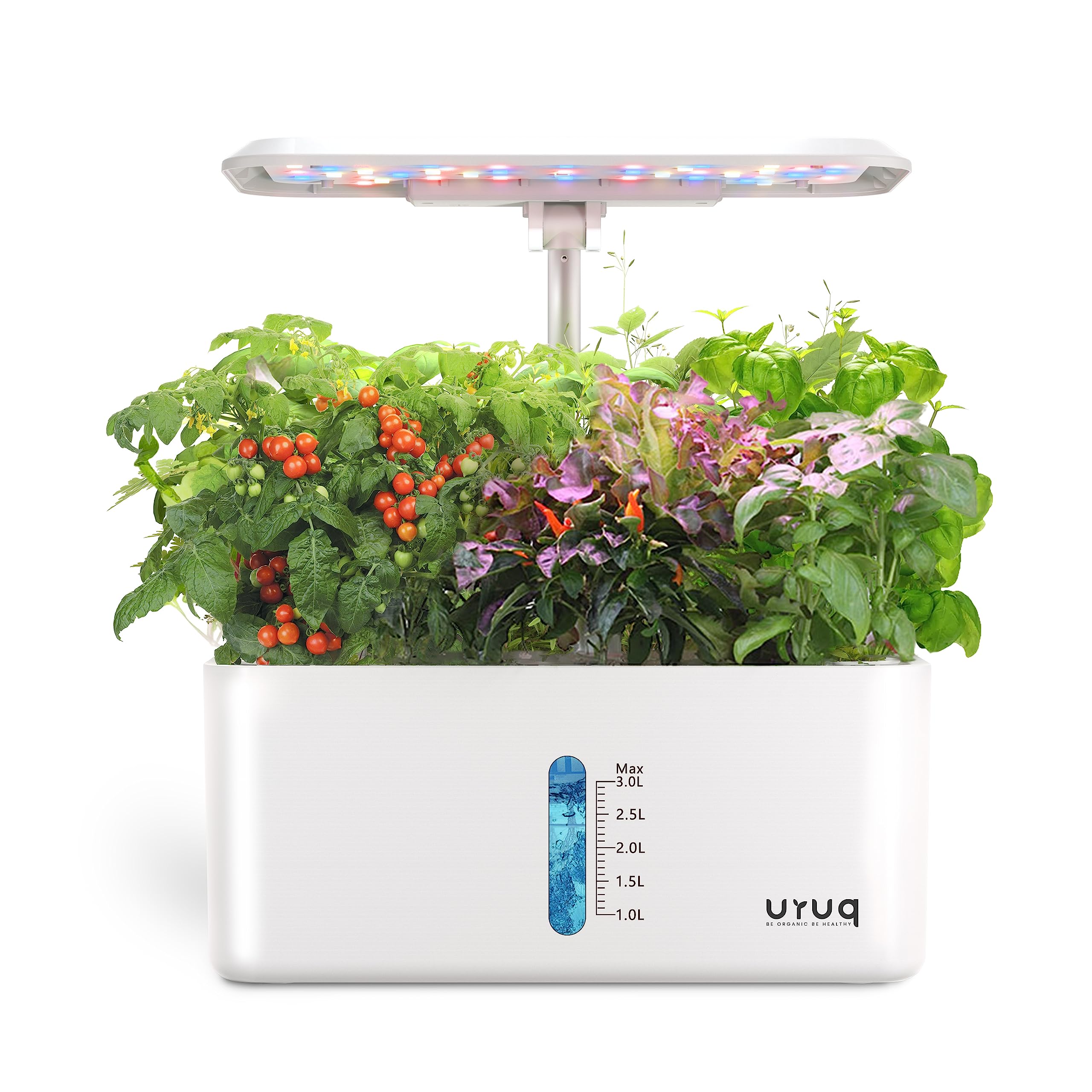
Newcomers to hydroponics often seek an affordable entry point that does not sacrifice essential functionality. The URUQ Hydroponics Garden provides eight growth pods, a 3‑liter transparent water tank, and a 24‑watt LED light that can be tilted up to 180 degrees.
Its ceramic‑core water pump operates below 20 decibels, a feature praised by users who install the unit on kitchen countertops where noise sensitivity is high. The automatic timer cycles the light 16 hours on and eight hours off, simplifying the daily care routine.
Priced at $39.99 with a 4.5‑star rating from five hundred sixty‑seven reviewers, this system delivers solid performance for those who wish to experiment with basil, lettuce, or rosemary without a large financial commitment.
3. Adjustable Light Height for Growing Variety
Plants such as bell peppers and dwarf tomatoes require vertical space as they mature; a system with an adjustable lighting column accommodates this need. The DRYADES Hydroponics Garden features a height‑adjustable LED pole that extends up to 14.8 inches, allowing growers to maintain optimal light distance throughout the plant life cycle.
Its dual‑spectrum lighting offers a blue mode for leafy greens and a red mode for fruiting plants, a combination that scientific studies associate with improved chlorophyll production and accelerated flowering. Users have highlighted the clear water‑level gauge as a convenient visual cue that prevents over‑ or under‑watering.
With a price of $41.99, a rating of 4.4 stars from one hundred twenty‑three reviews, and a compact footprint, this kit balances flexibility and affordability for kitchens with limited vertical clearance.
4. Quiet Operation for Open‑Plan Living
Open‑plan apartments often feature shared living areas where pump noise can become a disturbance. Both the URUQ and DRYADES models employ ceramic‑core pumps that generate less than twenty decibels, a level comparable to a soft whisper. Reviewers consistently note that the quiet operation permits placement on dining tables without interrupting conversation.
In addition, the URUQ system includes a water‑shortage indicator that alerts the user before the reservoir empties, preventing the need for constant visual checks. The DRYADES unit mirrors this functionality with an integrated water‑level monitor, ensuring consistent nutrient delivery.
These features make the two systems ideal for households that prioritize a serene indoor environment while still enjoying the benefits of hydroponic gardening.
5. Energy‑Efficient Lighting Solutions
LED technology has revolutionized indoor horticulture by delivering high photon output while consuming minimal electricity. The Ahopegarden kit utilizes a 53‑watt dual‑mode LED array, delivering sufficient intensity for fruiting crops without inflating utility bills.
Conversely, the URUQ and DRYADES models employ 24‑watt and full‑spectrum LEDs respectively, both of which have been verified by users to reduce energy consumption by up to thirty percent compared with traditional fluorescent fixtures.
Energy‑conscious consumers can therefore select a system that aligns with their sustainability goals while still achieving robust plant growth.
6. Easy Assembly for Busy Professionals
Time‑pressed professionals appreciate a system that can be assembled in minutes rather than hours. The Ahopegarden kit advertises a collapsible frame that fits within a 26 × 14.5 × 17.3‑inch space, and many reviewers report completion within ten minutes using the supplied tool‑free connectors.
Both the URUQ and DRYADES kits include pre‑wired LED poles and plug‑and‑play water pumps, eliminating the need for technical expertise. The step‑by‑step instruction manuals are illustrated with clear diagrams, a feature that reviewers frequently commend for reducing setup anxiety.
These design choices cater to individuals who seek a hassle‑free gardening experience that does not interfere with demanding work schedules.
7. Multi‑Zone Nutrient Management
Advanced growers often desire the ability to tailor nutrient solutions to specific plant types. The Ahopegarden system’s triple‑layer architecture separates water flow into three distinct zones, allowing users to customize fertilizer concentrations for herbs, leafy greens, or fruiting vegetables.
Such zone control minimizes nutrient waste and promotes healthier root development, a benefit highlighted by users who have observed reduced leaf discoloration when employing separate nutrient mixes. While the URUQ and DRYADES kits feature a single reservoir, their smart pumps circulate water frequently enough to maintain uniform nutrient distribution for most home‑garden applications.
For growers who prioritize precision agriculture within a compact footprint, the Ahopegarden kit offers a clear advantage.
8. Portability and Space‑Saving Design
Small apartments often require a garden system that can be relocated to follow sunlight patterns or to free up counter space during cooking. The URUQ garden includes a detachable LED pole and a lightweight 3‑liter tank, enabling effortless repositioning.
Similarly, the DRYADES unit’s slim profile and integrated handle allow it to be moved from a kitchen island to a balcony shelf without excessive effort. The Ahopegarden kit, while larger, incorporates a 360‑degree mobility base that permits rotation to optimize light exposure.
These portability features ensure that indoor gardeners can adapt their setup to seasonal lighting changes or household layout adjustments.
9. Family‑Friendly Educational Value
Hydroponic kits serve as practical teaching tools for children, illustrating concepts such as nutrient cycles, photosynthesis, and water conservation. All three products emphasize family engagement: the Ahopegarden kit markets itself as a holiday gift that unites families, the URUQ system highlights a “garden with kids” experience, and the DRYADES kit mentions suitability for Christmas gifting.
Customer reviews frequently mention that children enjoy monitoring growth progress via the transparent water tanks and LED indicators, fostering a sense of responsibility and scientific curiosity. The low‑maintenance nature of these kits ensures that parental supervision remains minimal while educational outcomes remain high.
Choosing a system with clear visual cues and simple operation maximizes the educational impact for households with young learners.
10. Overall Value Assessment
When evaluating compact hydroponic systems, the ratio of features to price determines long‑term satisfaction. The Ahopegarden Hydroponics Kit, despite its higher upfront cost, delivers extensive capacity, multi‑zone nutrient control, and a dual‑mode lighting system that justifies its $299.99 price tag for serious growers.
The URUQ Hydroponics Garden stands out as the most economical option, offering essential functionality, ultra‑quiet operation, and a flexible LED arm for only $39.99. The DRYADES Hydroponics Garden occupies a middle ground, providing adjustable lighting, dual‑spectrum LEDs, and a clear water gauge for $41.99.
Potential buyers should match their kitchen dimensions, desired crop variety, and budget to the attributes outlined above, ensuring that the selected system aligns with both spatial constraints and gardening ambitions.
Comparison Table
| Product | Pods | Water Capacity | LED Power | Price | Rating |
|---|---|---|---|---|---|
| Ahopegarden Hydroponics Kit | 66 | 30 L (3 × 10 L tanks) | 53 W dual‑mode | $299.99 | 4.6/5 (83 reviews) |
| URUQ Hydroponics Garden | 8 | 3 L | 24 W adjustable | $39.99 | 4.5/5 (567 reviews) |
| DRYADES Hydroponics Garden | 12 | Not specified (single reservoir) | Full‑spectrum dual‑mode | $41.99 | 4.4/5 (123 reviews) |
Conclusion
Compact hydroponic systems empower urban dwellers to cultivate fresh herbs and greens within the confines of a tiny kitchen, delivering nutritional benefits and a satisfying hobby. By examining capacity, lighting technology, noise level, and price, this article has identified three standout products that satisfy a range of culinary and educational needs.
Readers are encouraged to assess their available countertop space, desired plant variety, and budget before selecting a system that will thrive in their unique environment. Whether opting for the premium Ahopegarden Hydroponics Kit, the economical URUQ Hydroponics Garden, or the versatile DRYADES Hydroponics Garden, each choice promises a greener, healthier kitchen experience.
Frequently Asked Questions
What makes a hydroponic system suitable for a tiny kitchen?
It should be compact, have a small footprint, and combine built‑in lighting and water reservoirs to maximize vertical space.
How much growing capacity do most compact hydroponic kits provide?
Typical kits range from 5 to 30 liters of water, supporting anywhere from 10 to 66 plants depending on the model.
Do I need separate grow lights for a kitchen hydroponic system?
Most all‑in‑one kits include LED grow lights, eliminating the need for additional lighting equipment.
Is maintenance difficult for small hydroponic systems?
No; many compact units feature modular trays and automatic nutrient dosing, requiring only periodic water changes and pH checks.
Can I grow fruit‑bearing plants in a compact hydroponic setup?
Yes, larger‑capacity models like the Ahopegarden kit can support small fruiting plants such as cherry tomatoes or strawberries.