
10 Best Child‑Safe Indoor Hydroponic Systems for Kids and Classrooms: Safe, Easy, Family‑Friendly Picks
Introduction
Indoor hydroponic gardening has become an accessible way for families and educators to introduce children to plant biology without the mess of soil. By providing a controlled environment, these systems allow young learners to observe root development, nutrient uptake, and the impact of light on growth in real time.
Choosing a system that is both safe and engaging is essential because children require sturdy construction, quiet operation, and clear instructions. The following list highlights ten categories of hydroponic solutions, each illustrated with a product that meets the highest standards of safety, ease of use, and educational value.
1. All‑In‑One Family Hydroponic Gardens
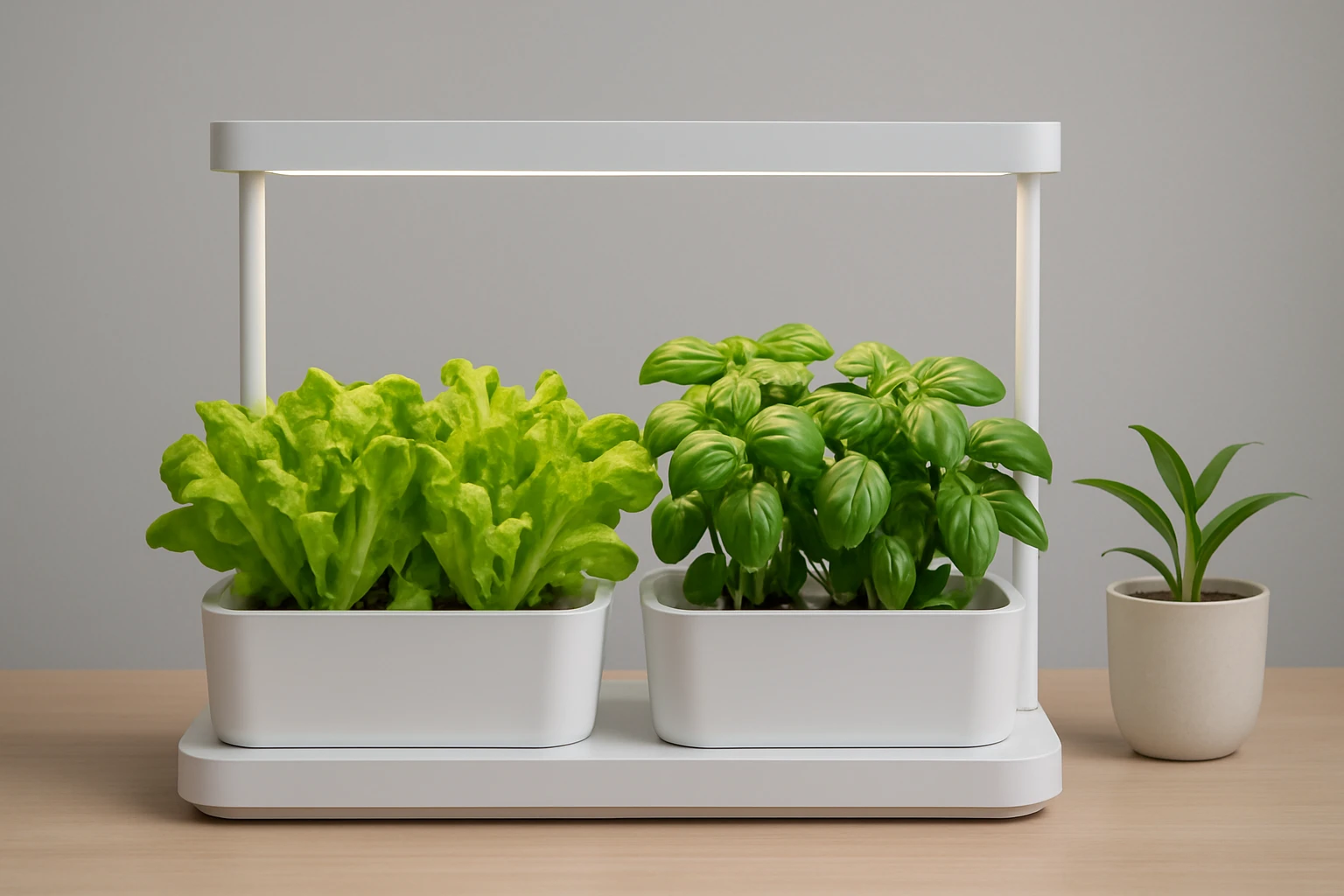
Families that want a turnkey solution should look for systems that include lighting, water reservoirs, and starter accessories in a single package. The LETPOT Indoor Hydroponic Garden exemplifies this approach with its 12‑pod capacity, 24 W full‑spectrum LED, and a 5.5 L deep reservoir that requires refilling only once a month.
At a price of $55.99 and a rating of 4.5 stars from 137 reviewers, the LETPOT system promises three‑times faster growth compared with traditional soil. Its whisper‑quiet pump and adjustable 16‑inch lamp arm make it suitable for bedrooms, kitchens, or classroom corners where noise must be minimal.
Parents appreciate the all‑included starter kit—sponges, baskets, light‑blocking stickers, and plant food—so that children can begin planting immediately without additional purchases. The system’s dual light modes (Veggie and Fruit & Flower) teach children how different wavelengths affect leaf colour and fruit development.
Overall, this category delivers a complete, low‑maintenance garden that encourages daily interaction and responsibility.
2. Educational Hydroponic Science Kits for Children
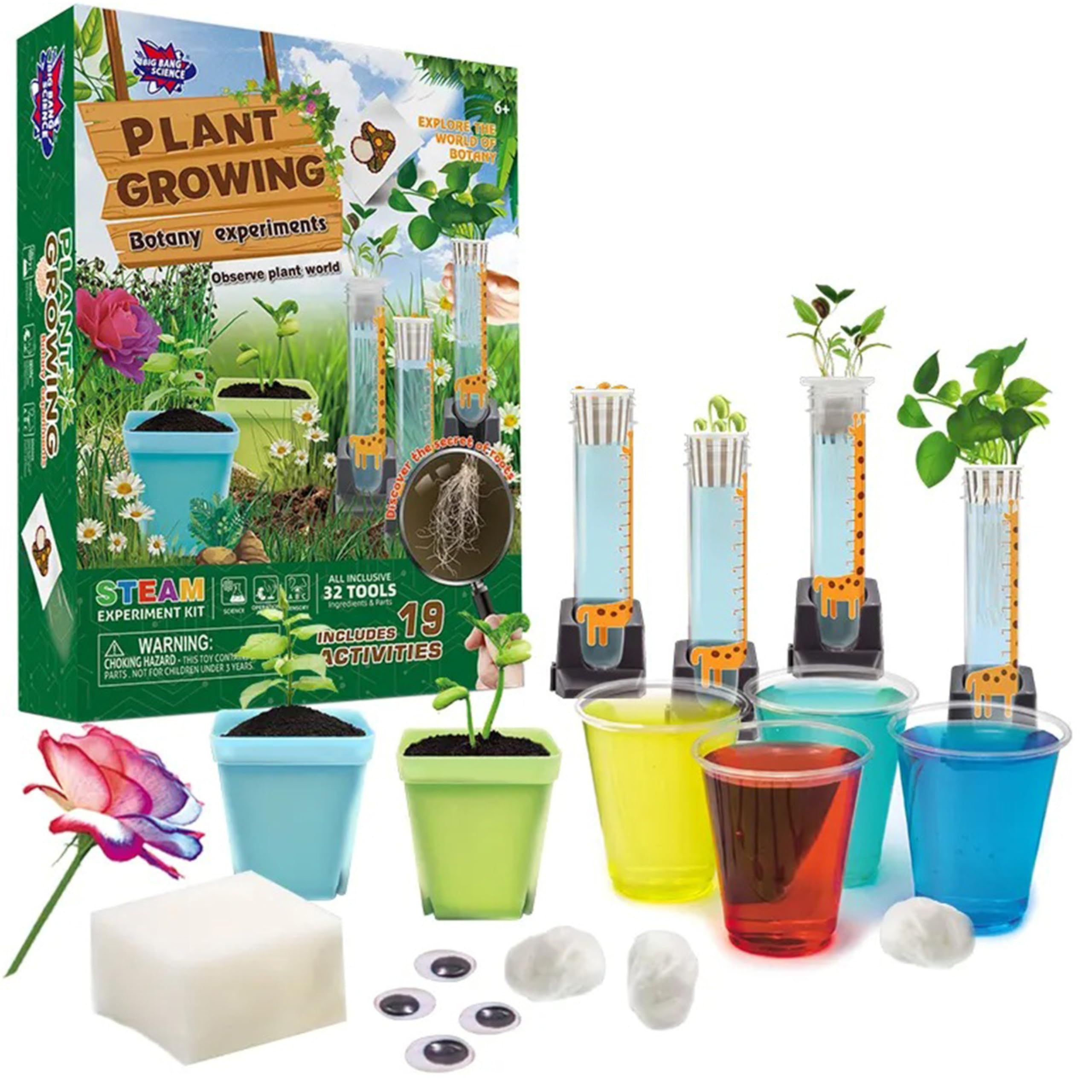
For educators seeking hands‑on experiments that go beyond simple sprouting, a science‑focused kit is ideal. The Wellegance Kids Plant Science Kit provides 19 distinct botany experiments, ranging from hydroponic root growth to phototropism, all designed for ages 6–12.
Priced at $26.99 with a 4.3‑star rating from 37 reviews, this kit includes magnifiers, test tubes, hydroponic baskets, and a 17‑page illustrated guide. Children can use everyday kitchen seeds—dry beans, corn kernels, or grass seeds—eliminating the need for special seed purchases.
Interactive growth tracking is built into the kit through ruler stickers and recording charts, allowing students to log daily changes and compare multiple plant species side by side. This method reinforces the scientific method and encourages data‑driven conclusions.
The kit’s emphasis on “why” rather than merely “how” makes it a valuable classroom resource for STEM curricula.
3. Compact Countertop Gardens for Small Spaces
Urban families often lack extensive countertop space, so a compact system that occupies minimal area is essential. Both the LETPOT Indoor Hydroponic Garden and the Wellegance Kids Plant Science Kit fit comfortably on a standard kitchen counter, yet they differ in purpose.
The LETPOT’s 12‑pod design can be arranged vertically, allowing multiple herbs to grow without crowding. Its adjustable lamp arm ensures tall herbs such as basil receive adequate light without the need for additional shelving.
Conversely, the Wellegance kit uses small test tubes and cups that can be stacked or stored in a drawer when not in use. This portability makes it ideal for after‑school programs that move between classrooms.
Both products demonstrate that space constraints need not limit a child’s ability to explore indoor gardening.
4. Quiet Operation for Bedrooms and Learning Environments
Noise can be disruptive in a bedroom or a quiet study area. The LETPOT system incorporates a whisper‑quiet auto‑circulating pump that maintains oxygenation without audible disturbance.
Customer feedback highlights the pump’s silent performance, noting that children can fall asleep while the garden continues to operate. The Wellegance kit, lacking an active pump, relies on passive hydroponic containers, which inherently produce no sound.
Choosing a system with minimal acoustic output ensures that plant care does not interfere with sleep schedules or concentration during lessons.
Both options provide a calm environment conducive to learning and relaxation.
5. Adjustable Light Spectrum for Learning Plant Physiology
Understanding how light influences plant growth is a core concept in biology. The LETPOT Indoor Hydroponic Garden offers dual light modes: a Veggie Mode (blue/red/white) for leafy growth and a Fruit & Flower Mode (red/white) for fruiting plants.
This feature allows children to experiment with light colour and intensity, observing differences in leaf size, colour, and fruit development. The Wellegance kit does not include an LED system, but its hydroponic containers can be placed under any external light source, encouraging learners to experiment with natural sunlight versus artificial lighting.
Educators can design lessons around these light variations, reinforcing concepts such as photosynthesis and photomorphogenesis.
Adjustable lighting thus becomes a practical teaching tool rather than a mere convenience.
6. Large Water Reservoirs for Low‑Maintenance Care
Frequent refilling can discourage children from maintaining a garden. The LETPOT system’s 5.5 L reservoir holds enough water for a month of growth, reducing the need for daily attention.
Reviews praise the reservoir’s capacity, noting that families appreciate the reduced maintenance schedule. The Wellegance kit relies on small cups and test tubes that must be watered more often, which can be advantageous for teaching daily care routines but may be less convenient for busy households.
Choosing a system with an appropriately sized reservoir depends on the desired balance between responsibility and convenience.
Both approaches offer valuable lessons in water management and plant health.
7. Safety‑First Materials and Construction
Children’s products must meet stringent safety standards. The LETPOT garden is constructed from BPA‑free plastics and features rounded edges to prevent injury. Its LED light is fully enclosed, eliminating exposure to hot components.
The Wellegance kit uses non‑toxic, lab‑tested materials for its magnifier, test tubes, and accessories. All components are designed to be durable yet gentle on small hands.
Both products have been reviewed positively for their sturdy build quality, giving parents confidence that the systems will withstand enthusiastic use.
Safety considerations are paramount when selecting a hydroponic system for children.
8. Curriculum‑Aligned Activities for Classroom Use
Teachers often seek resources that align with science standards. The Wellegance Kids Plant Science Kit includes a 17‑page activity guide that maps directly to common core science objectives, such as understanding plant anatomy, water transport, and the scientific method.
Each experiment is accompanied by a “Science Behind the Experiment” explanation, allowing educators to integrate the kit into lesson plans without additional preparation. The LETPOT garden, while not a curriculum kit, provides real‑time data that teachers can use for lessons on growth rates, nutrient cycles, and environmental control.
Both systems support hands‑on learning, but the Wellegance kit offers a more structured classroom experience.
Incorporating these tools can elevate a science curriculum from textbook reading to experiential discovery.
9. Gift‑Ready Packaging for Special Occasions
Parents often purchase hydroponic kits as gifts for birthdays, holidays, or school achievements. The LETPOT Indoor Hydroponic Garden arrives in a sleek box with all necessary components, making it an attractive present for budding chefs or teen gardeners.
The Wellegance Kids Plant Science Kit is marketed explicitly as a STEM gift, featuring vibrant packaging and a variety of experiments that keep children engaged for weeks. Its price point of $26.99 makes it an affordable option for multiple gifts during a holiday season.
Both products include clear instructions and starter materials, reducing the need for additional accessories and ensuring a satisfying unboxing experience.
Gift‑ready design adds an emotional appeal that complements the educational value.
10. Value for Money and Long‑Term Engagement
When evaluating cost, it is important to consider both the initial price and the longevity of the learning experience. The LETPOT garden, priced at $55.99, provides a durable system that can serve a family for several years with minimal consumable costs.
Its high rating of 4.5 stars reflects customer satisfaction with performance and durability. The Wellegance kit, at $26.99, offers a lower entry price while delivering 19 distinct experiments that can keep children occupied for weeks, extending the perceived value.
Both products present strong value propositions, but the LETPOT system may be preferable for households seeking a long‑term gardening solution, whereas the Wellegance kit excels as an introductory science experience.
Evaluating budget against intended use helps families select the most appropriate system.
Comparison Table
| Product | Price | Rating | Capacity | Key Feature |
|---|---|---|---|---|
| LETPOT Indoor Hydroponic Garden | $55.99 | 4.5 / 5 (137 reviews) | 12‑pod, 5.5 L reservoir | 24 W full‑spectrum LED with dual modes |
| Wellegance Kids Plant Science Kit | $26.99 | 4.3 / 5 (37 reviews) | 19 experiments, multiple test tubes | Comprehensive curriculum guide |
Conclusion
Indoor hydroponic systems provide a safe, engaging, and educational way for children to explore plant science at home or in the classroom. The ten categories presented above guide readers toward solutions that match their space, budget, and instructional goals.
For families seeking a durable, all‑in‑one garden, the LETPOT Indoor Hydroponic Garden offers robust features, quiet operation, and long‑term value. For educators or parents who want a structured, experiment‑rich experience, the Wellegance Kids Plant Science Kit delivers 19 hands‑on activities that align with STEM standards.
By selecting a system that balances safety, ease of use, and educational depth, caregivers can foster a lifelong curiosity about biology, sustainability, and healthy eating.
Frequently Asked Questions
What safety features should I look for in a child‑safe indoor hydroponic system?
Choose models with sturdy, BPA‑free containers, child‑proof lids, low‑heat LED lights, and automatic shut‑off timers to prevent overheating.
Are all‑in‑one hydroponic kits suitable for classroom use?
Yes, they provide integrated lighting, water reservoirs, and starter seeds, making setup quick and minimizing supervision needed during lessons.
How much maintenance does a beginner hydroponic garden require?
Most kits need water level checks and nutrient solution replacement every 1–2 weeks, plus occasional cleaning of the reservoir.
Can kids monitor plant growth without soil mess?
Hydroponic systems use clear tubes or containers, allowing children to observe root development and nutrient flow directly.
Do indoor hydroponic systems need special lighting?
A full‑spectrum LED (around 24 W) mimics sunlight and is safe, energy‑efficient, and quiet, ideal for homes and classrooms.