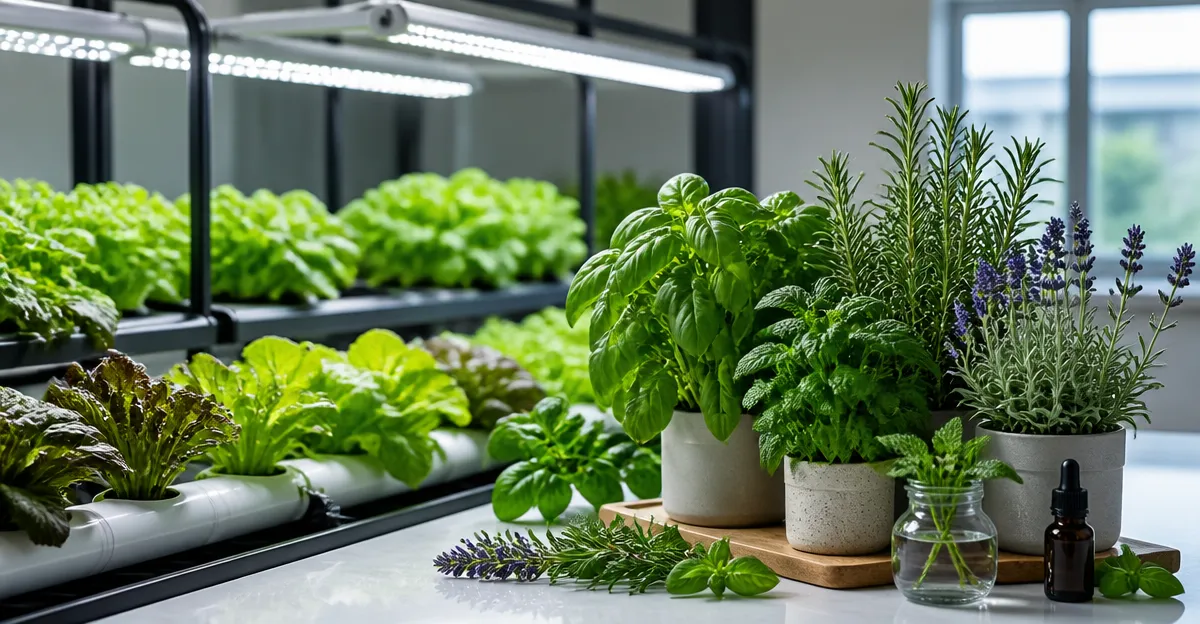
Ultimate Guide to Scent-Based Companion Plants for Odor Masking in Hydroponics
Introduction
Hydroponic growers often encounter unpleasant odors that can affect indoor environments and deter visitors. This guide explains how scented companion plants can mask these odors while enhancing plant health. Readers will learn the science behind odor production, discover strategic plant pairings, and receive curated product recommendations that simplify implementation. By the end of the article, one will be equipped to create a fragrant, thriving hydroponic system.
Background and Context
Odor in hydroponics typically originates from microbial activity in nutrient reservoirs, root exudates, and organic matter breakdown. While sterile systems reduce smell, many growers prefer a natural approach that leverages aromatic plants. Scented companion plants release volatile organic compounds (VOCs) that can overpower or neutralize unwanted smells. Additionally, these companions can improve air circulation, provide biological control, and contribute to a more diverse ecosystem.
Key concepts include:
- Volatile Organic Compounds (VOCs): Aromatic molecules emitted by plants such as linalool, menthol, and eucalyptol.
- Root Zone Aeration: Proper oxygenation reduces anaerobic microbes that generate foul odors.
- Companion Plant Selection: Choosing species with strong, pleasant aromas that thrive in hydroponic conditions.
Understanding these fundamentals enables growers to design systems that are both odor‑free and aesthetically pleasing.
Choosing Scented Companion Plants
When selecting aromatic companions, consider growth habit, nutrient requirements, and compatibility with the primary crop. The following categories cover the most effective options for indoor hydroponics.
Herbs with Strong Essential Oils
Herbs such as basil, mint, and oregano produce robust essential oils that mask earthy smells. They thrive in nutrient‑rich, well‑aerated solutions and can be grown alongside leafy greens or fruiting plants. Their rapid growth also provides a continuous source of fragrance.
For a ready‑made herb solution, consider the inbloom Herb Seed Kit. This kit contains 350+ seeds of basil, parsley, mint, cilantro, savory, thyme, and oregano, all organic and GMO‑free. Priced at $18.99 with a 4.1‑star rating from 97 reviews, it offers everything needed to start a fragrant hydroponic garden.
Fragrant Ornamental Plants
Plants like jasmine, lavender, and scented geraniums release sweet aromas that persist throughout the day. They require slightly lower nutrient concentrations than fast‑growing vegetables, making them ideal for peripheral placement in larger systems. Their foliage can also serve as a visual barrier, creating a more inviting grow space.
To support these plants, a stable growing medium is essential. The Halatool LECA Clay Pebbles provide a pH‑neutral, reusable substrate that promotes healthy root aeration. Each 10‑lb bag costs $22.79 and holds a 4.6‑star rating from 4,828 reviews. The mixed‑grade 4‑16 mm size allows the pebbles to nestle around delicate roots, preventing waterlogging and reducing odor‑producing anaerobic conditions.
Net Pots for Flexible Planting
Net pots enable growers to experiment with different aromatic species without committing to permanent containers. They allow roots to expand into the nutrient solution while maintaining excellent airflow. This design minimizes stagnant water pockets that often generate unpleasant smells.
The ORIMERC Net Pots are a versatile choice. Sold in a 12‑pack for $8.99, each 3‑inch pot features a wide lip for easy insertion and a slotted mesh that retains expanded clay pellets while allowing water to flow freely. With a 4.6‑star rating from 1,753 reviews, they are suitable for hydroponic, aquaponic, and Kratky setups.
Integrating Products into Your Hydroponic System
Below is a step‑by‑step workflow that incorporates the three featured products into a cohesive odor‑masking strategy.
- Prepare the Growing Medium: Rinse the Halatool LECA Clay Pebbles briefly to remove dust, then fill the reservoir or grow tray to a depth of 2‑3 inches. The porous pebbles retain moisture while providing ample air pockets.
- Set Up Net Pots: Insert the ORIMERC Net Pots into pre‑drilled holes in your grow medium. The wide lip ensures the pots stay secure, and the slotted mesh holds the pebbles without leaking.
- Plant Aromatic Herbs: Use the inbloom Herb Seed Kit to sow basil, mint, and oregano directly into the net pots. Follow the kit’s instructions for seed spacing and initial watering.
- Maintain Nutrient Balance: Monitor EC and pH levels weekly. Aromatic herbs generally prefer a slightly lower EC (1.2‑1.6 mS/cm) compared to fruiting crops.
- Harvest and Rotate: Trim herbs regularly to encourage new growth and sustain fragrance. Replace harvested plants with new seedlings to maintain continuous odor masking.
This approach leverages the aeration benefits of LECA, the flexibility of net pots, and the aromatic power of a diverse herb mix, creating a synergistic system that minimizes odor while supporting plant health.
Comparison and Selection Guide
| Feature | Halatool LECA Clay Pebbles | ORIMERC Net Pots | inbloom Herb Seed Kit |
|---|---|---|---|
| Primary Function | Reusable growing medium that improves drainage and aeration. | Container that holds plants while allowing roots to access nutrient solution. | All‑in‑one herb seed package for immediate planting. |
| Size / Capacity | 10 lb, 4‑16 mm pebbles suitable for various root systems. | 12 pcs, 3‑inch diameter, wide lip for easy insertion. | 7 herb varieties, >350 seeds total. |
| Price (USD) | $22.79 | $8.99 | $18.99 |
| Amazon Rating | 4.6 / 5 (4,828 reviews) | 4.6 / 5 (1,753 reviews) | 4.1 / 5 (97 reviews) |
| Best For | Ensuring root health and reducing anaerobic odor sources. | Flexible planting of multiple aromatic species. | Starting a diverse herb garden quickly. |
Choose the product that aligns with your system size, budget, and desired level of automation. For large commercial operations, prioritize LECA for its durability; for hobbyists, the net pots and herb kit provide an economical entry point.
Best Practices & Tips
- Rinse all growing media before use to eliminate dust that can cloud water and reduce oxygen exchange.
- Maintain water temperature between 65‑75 °F (18‑24 °C) to inhibit bacterial growth that causes odor.
- Incorporate a mild UV sterilizer in the reservoir to further suppress odor‑producing microbes.
- Harvest aromatic leaves early in the morning when essential oil concentration is highest for maximum scent impact.
- Rotate herb varieties every 4‑6 weeks to prevent nutrient depletion and keep the fragrance profile fresh.
Frequently Asked Questions
- Can I use regular soil instead of LECA for aromatic herbs?
- While soil can support herbs, it often retains excess moisture, leading to anaerobic conditions and stronger odors. LECA provides a cleaner, more aerated environment that reduces odor risk.
- How often should I replace the nutrient solution?
- Replace the solution every 2‑3 weeks, or sooner if you notice a sour smell. Regular replacement prevents the buildup of volatile compounds that cause unpleasant odors.
- Do the net pots need a specific type of wick?
- The included self‑watering wick in the ORIMERC Net Pots kit is sufficient for most setups. Ensure the wick contacts both the reservoir and the pot interior for capillary action.
- Will the herbs compete with my main crops for nutrients?
- Herbs generally have lower nutrient demands than fruiting crops. By monitoring EC levels and adjusting fertilizer concentration, you can balance the needs of both plant types.
- Is it safe to use scented herbs around pets?
- Most culinary herbs such as basil and mint are non‑toxic to dogs and cats. However, always verify species safety if you have sensitive animals.
Conclusion
Masking hydroponic odors with scented companion plants offers a natural, cost‑effective solution that also enhances system health. By selecting appropriate aromatic herbs, employing aerating media like Halatool LECA Clay Pebbles, and utilizing flexible containers such as ORIMERC Net Pots, growers can create a fragrant environment that pleases both the senses and the plants. The inbloom Herb Seed Kit simplifies the start‑up process, delivering a diverse selection of herbs ready for hydroponic cultivation. Implement the best‑practice tips provided, and enjoy a pleasant, odor‑free indoor garden.
Products Featured in This Guide
Halatool LECA Clay Pebbles
Price: $22.79 | Rating: 4.6/5 (4,828 reviews)
Featured for its pH‑neutral, reusable nature that improves root aeration and reduces odor‑producing anaerobic conditions.
ORIMERC Net Pots
Price: $8.99 | Rating: 4.6/5 (1,753 reviews)
Featured for its wide‑lip design and slotted mesh, allowing flexible placement of aromatic herbs while maintaining excellent water flow.
inbloom Herb Seed Kit
Price: $18.99 | Rating: 4.1/5 (97 reviews)
Featured for providing a ready‑made selection of aromatic herbs that supply strong essential oils to mask hydroponic odors.