
How to Package and Label Microgreens for Market Success: The Complete Guide to Freshness, Branding & Compliance
Introduction
Microgreens have moved from niche health food to mainstream market staple, and entrepreneurs must master the art of presenting these delicate greens in a way that preserves freshness, communicates brand values, and meets legal requirements. This guide explains the full lifecycle of microgreen packaging—from harvest to consumer hand—while highlighting tools that simplify each step. Readers will learn how to select packaging materials, design compliant labels, create a memorable brand identity, and choose accessories that extend shelf life. By the end of the article, one will be equipped to launch a market‑ready microgreen line that attracts buyers and reduces waste.
Background and Context
Microgreens are harvested at the cotyledon stage, typically 7‑14 days after germination, and they retain high moisture content, making them vulnerable to wilting, microbial growth, and mechanical damage. Regulatory agencies such as the FDA and USDA require clear labeling of origin, net weight, and any applicable certifications, while many local farmers markets impose additional packaging standards. Consumer expectations have also evolved; shoppers now look for eco‑friendly containers, clear nutrition information, and attractive branding that tells a story. Understanding these forces provides the foundation for selecting packaging solutions that balance protection, sustainability, and market appeal.
Choosing the Right Packaging Materials
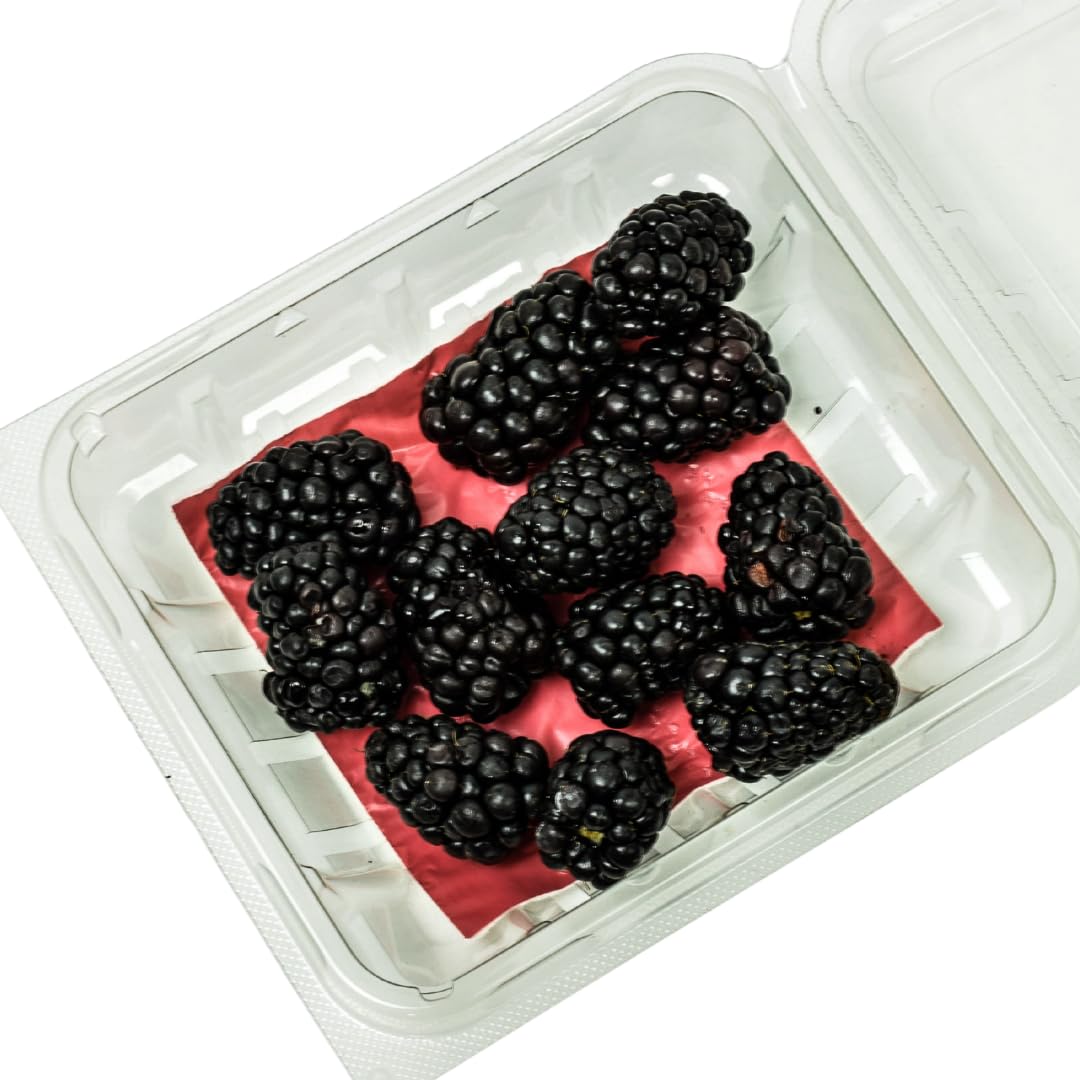
Effective packaging must first protect the product. A breathable yet moisture‑absorbing liner prevents condensation that leads to soggy greens, while a rigid outer container safeguards against crushing during transport. For growers who sell in clamshell containers, the JAK Absorbent Pads are an inexpensive add‑on that absorb excess water and keep microgreens crisp for longer periods.
- Material: Food‑grade, rose‑colored absorbent sheet designed for 3.25" square pads.
- Quantity: Pack of 100 pads, each perforated in strips of five for easy sizing.
- Performance: Extends freshness in pint, half‑pint, and 6‑ounce clamshell containers.
- Rating: 3.8/5.0 from 12 reviews, indicating reliable performance for small‑scale growers.
For growers who prefer a reusable system, the Zestigreens Microgreens Growing Kit offers a hydroponic tray that can be repurposed for multiple harvest cycles, reducing waste and cost.
- Components: 12"x6" bamboo‑framed tray, hydroponic insert, blackout felt lid, two hemp grow mats, and organic seed mixes.
- Flexibility: Allows hydroponic or soil‑based growing, catering to a wide range of microgreen varieties.
- Rating: 4.4/5.0 from 1,098 reviews, reflecting strong customer satisfaction.
- Price: $39.98, representing a cost‑effective investment for serious microgreen producers.
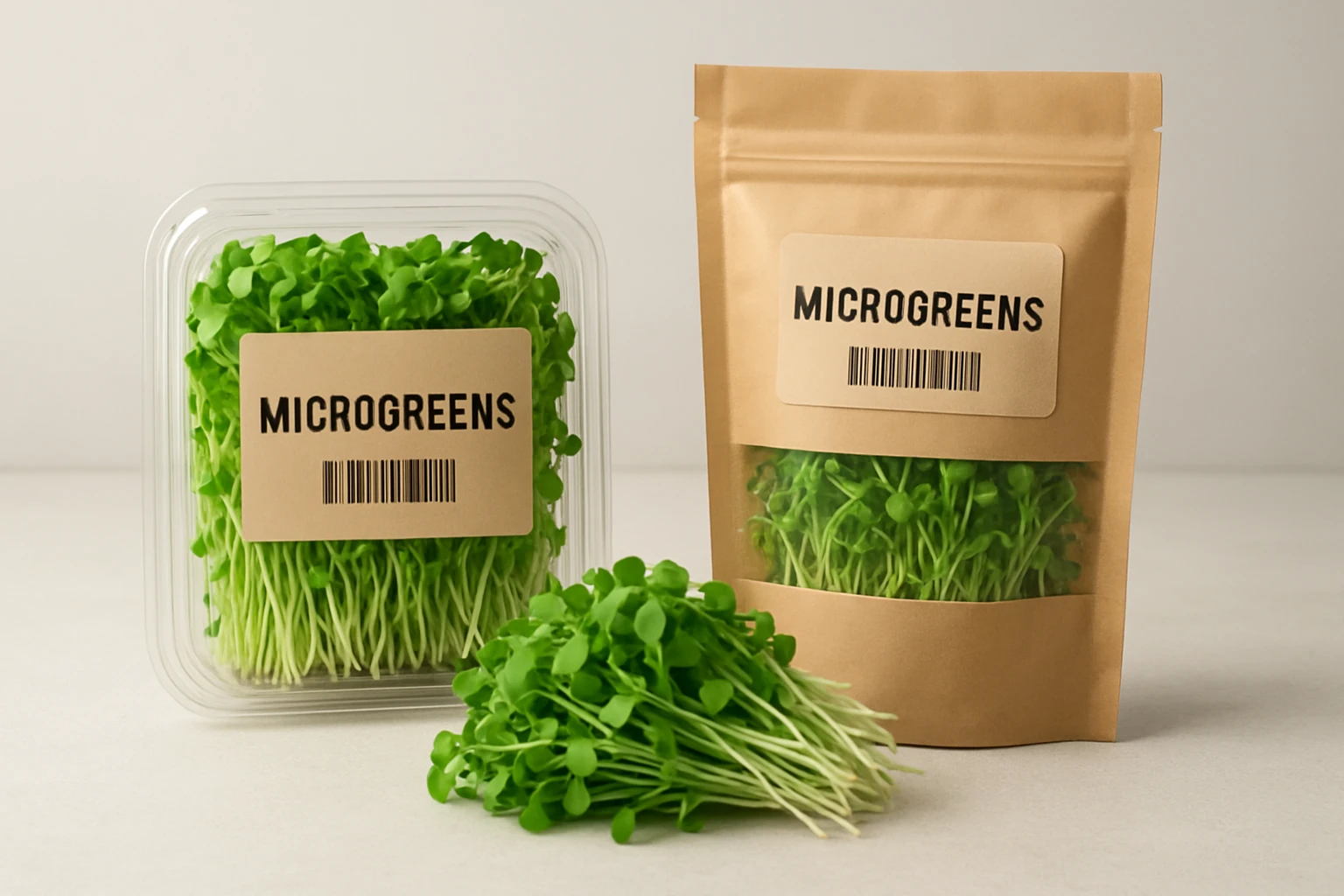
When selecting containers, growers should consider material safety (food‑grade plastics or recyclable cardboard), seal integrity, and visual appeal. Clear PET clamshells showcase color, while biodegradable paper trays signal sustainability. Combining a breathable liner such as the JAK pads with a recyclable outer box creates a premium yet environmentally responsible package.
Designing Labels that Communicate and Comply
Labels serve both regulatory and marketing functions. Federal law mandates that the label include the product name, net weight, name and address of the packer or distributor, and any allergen statements. Beyond compliance, labels are an opportunity to differentiate the brand through typography, color palette, and storytelling elements.
- Legal Essentials: Include a QR code that links to a full compliance sheet, ensuring traceability without cluttering the design.
- Brand Voice: Use concise language that conveys freshness, such as "Crisp Harvested Daily" or "Farm‑Fresh Microgreens".
- Visual Hierarchy: Highlight the microgreen variety (e.g., Broccoli, Sunflower) in larger font, followed by nutritional claims.
- Eco‑Messaging: If using biodegradable packaging, add a small icon with the phrase "100% Compostable" to reinforce sustainability.
Design software such as Adobe Illustrator or the free alternative Inkscape enables precise layout control. For small operations, printable label sheets (e.g., Avery 5160) can be used with a standard inkjet printer, ensuring cost‑effective production.
Branding Strategies for Market Differentiation
Strong branding transforms a simple product into a recognizable experience. Begin with a memorable brand name and logo that reflect the farm’s values—whether that is urban chic, rustic farm heritage, or scientific precision. Consistency across packaging, social media, and point‑of‑sale displays builds consumer trust.
Color psychology plays a role; green hues suggest health, while bright accent colors can attract attention on crowded market tables. Incorporate a short tagline that emphasizes the unique selling proposition, such as "Nutrient‑Dense Greens in Minutes" for a hydroponic kit or "Crisp Freshness from Harvest to Table" for packaged microgreens.
Leverage the Zestigreens Microgreens Growing Kit as a demonstration tool at farmer’s markets. By allowing customers to see the growing tray in action, growers can illustrate the ease of cultivation, reinforcing the brand promise of simplicity and freshness.
Compliance Checklist for Market Vendors
| Requirement | Details | Action Item |
|---|---|---|
| Product Name | Accurately describe the microgreen variety. | Use "Broccoli Microgreens" or "Mixed Salad Microgreens". |
| Net Weight | Display in ounces or grams. | Measure each clamshell after packing. |
| Distributor Information | Name, street address, phone. | Print on the back label or QR code. |
| Allergen Statement | Declare if grown with shared equipment. | Include "May contain traces of nuts" if applicable. |
| Organic Certification | Display USDA Organic seal if certified. | Attach certification number. |
| Expiration/Use‑By Date | Indicate freshness window (e.g., 7 days). | Print date of harvest plus recommended shelf life. |
Failure to meet any of these items can result in fines, product recalls, or loss of market privileges. Maintaining a compliance log simplifies audits and ensures consistent labeling across production batches.
Comparison and Selection Guide
Choosing the appropriate packaging accessories depends on scale, budget, and sustainability goals. The table below compares the two featured products based on key criteria.
| Feature | JAK Absorbent Pads | Zestigreens Growing Kit |
|---|---|---|
| Primary Function | Moisture absorption for clamshell containers. | Reusable growing tray for hydroponic or soil cultivation. |
| Quantity | 100 pads (3.25" x 3.25"). | One complete kit with tray, mats, seeds. |
| Price per Unit | $12.97 for 100 pads. | $39.98 for full kit. |
| Customer Rating | 3.8/5.0 (12 reviews). | 4.4/5.0 (1,098 reviews). |
| Best For | Small‑scale sellers needing quick moisture control. | Growers who want an all‑in‑one, repeatable system. |
| Sustainability | Single‑use pads, but extend product life. | Reusable tray reduces waste over multiple cycles. |
For a vendor who already uses clamshells, adding JAK pads is a low‑cost method to improve freshness. Conversely, a farmer launching a new microgreen line may invest in the Zestigreens kit to produce a consistent product while showcasing the growing process to customers.
Best Practices & Tips for Market Success
- Pre‑Cool Before Packing: Chill harvested microgreens to 32‑34°F for 30 minutes to slow respiration.
- Use a Perforated Liner: Place a JAK Absorbent Pad at the bottom of each clamshell to wick away excess moisture.
- Seal Containers Properly: Snap‑fit lids tightly to prevent air exchange that accelerates wilting.
- Label Placement: Position the label on the side of the clamshell where it is visible but does not interfere with the seal.
- Batch Coding: Include a simple batch number on each label to track harvest dates and monitor shelf life.
- Customer Education: Provide a one‑page handout or QR code linking to storage tips, such as “Keep refrigerated and consume within 5 days.”
- Leverage Social Proof: Display the Zestigreens Growing Kit at your booth and invite visitors to watch a live sprouting demo.
- Eco‑Friendly Messaging: Highlight the use of biodegradable packaging and reusable growing systems to attract environmentally conscious shoppers.
Implementing these practices not only improves product quality but also builds brand credibility, leading to repeat purchases and word‑of‑mouth referrals.
Frequently Asked Questions
- 1. How long can microgreens stay fresh in a clamshell with an absorbent pad?
- When stored at refrigeration temperature, microgreens typically remain crisp for 5‑7 days; the pad can extend freshness by up to two additional days by reducing moisture buildup.
- 2. Are the JAK Absorbent Pads safe for all types of produce?
- Yes, they are food‑grade and suitable for berries, leafy greens, and delicate herbs, provided the pad size matches the container.
- 3. Can the Zestigreens Growing Kit be used for non‑hydroponic varieties?
- Absolutely; the kit includes a removable hydroponic insert, allowing growers to add soil for larger seeds such as sunflower or pea microgreens.
- 4. What labeling information is required for organic microgreens?
- In addition to standard label elements, the USDA Organic seal, certification number, and a statement of compliance must be displayed prominently.
- 5. How can I reduce packaging waste while staying compliant?
- Choose recyclable or compostable clamshells, use reusable pads where possible, and incorporate minimalistic labeling that utilizes biodegradable inks.
- 6. Is it necessary to include a QR code on the label?
- While not mandatory, a QR code provides instant access to detailed compliance documents, growing instructions, and nutritional information, enhancing consumer trust.
Conclusion
Packaging and labeling microgreens for market success require a blend of scientific understanding, regulatory awareness, and creative branding. By selecting moisture‑absorbing pads such as the JAK Absorbent Pads, employing a reusable growing system like the Zestigreens Microgreens Growing Kit, and adhering to a rigorous compliance checklist, growers can deliver fresh, attractive products that meet consumer expectations and legal standards. Consistent application of the best‑practice tips outlined in this guide will differentiate a brand, reduce waste, and ultimately increase profitability.
Products Featured in This Guide
JAK Absorbent Pads
Price: $12.97
Rating: 3.8/5.0 (12 reviews)
Featured because the pads absorb excess moisture, extending the freshness of microgreens packaged in clamshell containers.
Zestigreens Microgreens Growing Kit
Price: $39.98
Rating: 4.4/5.0 (1,098 reviews)
Featured because it provides a reusable, hydroponic or soil‑based system that enables growers to produce high‑quality microgreens efficiently and showcase the growing process to customers.