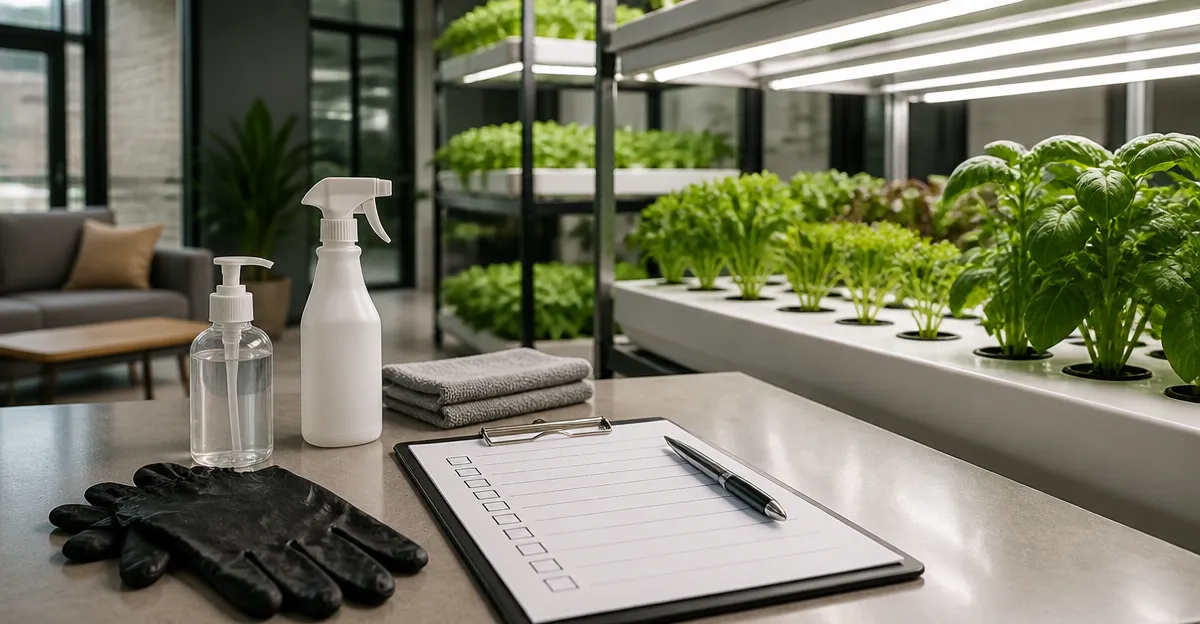
How to Create a Hydroponics Biosecurity Checklist for Shared‑Living Spaces — Step‑by‑Step Guide
Introduction
In shared‑living environments, hydroponic systems can provide fresh produce while occupying minimal space. However, communal setups also introduce risks such as pathogen spread, nutrient cross‑contamination, and equipment misuse. This guide explains how to construct a comprehensive biosecurity checklist that protects plant health and resident safety. By following the procedures, one can maintain consistent yields and prevent costly failures.
The checklist will cover assessment of the growing area, definition of sanitation protocols, selection of appropriate growing media, nutrient management, and ongoing monitoring. Each section includes actionable instructions, real‑world examples, and recommendations for tools that streamline the process. Although the guide references specific products, the principles remain applicable without any purchase.
What You'll Need
- Measuring cup or graduated dispenser for liquid nutrients
- pH testing kit or digital meter
- Cleaning supplies (isopropyl alcohol, soft brushes)
- Protective gloves and eye protection
- Record‑keeping notebook or digital spreadsheet
- AeroGarden Liquid Plant Food – for consistent nutrient delivery
- Legigo Organic LECA Pebbles – for sterile, well‑draining growing media
Step‑by‑Step Instructions
1. Assess the Shared Space and Identify Stakeholders
The first step is to map the physical location where the hydroponic system will reside. Measure floor dimensions, ceiling height, and proximity to windows or ventilation ducts. Identify all individuals who will access the area, noting their gardening experience and any allergies to plant‑derived allergens. Document these observations in a shared log so that future residents can reference the baseline conditions.
During the assessment, verify that the space has a reliable power source and that water runoff can be captured or directed to a drain. If the area is a communal kitchen, ensure that food‑grade materials are used to avoid cross‑contamination with cooking surfaces. This initial audit forms the backbone of the biosecurity checklist because it highlights structural constraints that may require mitigation.
2. Define Cleaning and Sanitization Protocols
Establish a schedule for routine cleaning that aligns with the system's growth cycle. A typical protocol includes weekly surface disinfection, monthly deep cleaning of reservoirs, and immediate sanitation after any plant disease is observed. Use isopropyl alcohol (70 %) on non‑porous components, and a soft brush to remove biofilm from tubing.
Assign responsibility for each task to a specific resident or rotating team. Clearly label cleaning supplies and store them in a sealed container to prevent accidental ingestion. Include a checklist item such as “Verify that all tools are rinsed and dried before storage,” which reduces the risk of pathogen transfer between crops.
3. Select a Sterile Growing Medium
Choosing a growing medium that resists pathogen harboring is crucial for shared environments. Legigo Organic LECA Pebbles provide an inert, pH‑neutral substrate that promotes aeration while limiting root rot. Each pebble measures 4–16 mm, allowing optimal root penetration for a wide range of plant sizes.
The product comes in a 10 lb resealable foil pouch, which protects the clay from moisture and contaminants before use. Its porous structure stores a modest amount of water, releasing it gradually to maintain consistent moisture levels without over‑saturation. Compared with soil, LECA eliminates the need for sterilization cycles, thereby simplifying the checklist.
To prepare the pebbles, rinse them in a dilute bleach solution (1 % sodium hypochlorite) for five minutes, then rinse thoroughly with clean water. Allow the pebbles to air‑dry before placing them in the grow tray.
4. Implement a Controlled Nutrient Delivery System
Accurate nutrient dosing prevents excess salts that can stress plants and foster microbial growth. AeroGarden Liquid Plant Food is formulated specifically for indoor hydroponic gardens and includes an organic pH‑buffering system. The 3 fl oz bottle features a dispenser cup with milliliter markings, enabling precise addition of nutrients each watering cycle.
At a price of $17.95 and a rating of 4.7 / 5 from over twelve thousand reviews, the product offers reliable performance for both beginners and experienced growers. Its balanced N‑P‑K ratio of 4‑3‑6 supports vigorous leaf development and root growth, which is essential in shared setups where plant turnover may be high.
Mix the recommended dosage (typically 2 ml per gallon of water) in a clean reservoir, then verify the solution pH with a test kit. Adjust if necessary using a mild acid or base, and record the final pH in the log. This step should be performed before each refill to maintain a stable environment.
5. Establish Monitoring, Documentation, and Communication Procedures
Continuous monitoring ensures that deviations from the checklist are detected early. Assign a resident to record water temperature, reservoir pH, and visual plant health at least twice per week. Use a simple spreadsheet with columns for date, observer, metric, and notes; share the file via a cloud service accessible to all participants.
When an anomaly such as yellowing leaves or unexpected odor appears, consult the troubleshooting section below before taking corrective action. Communicate findings promptly through a group chat or bulletin board, and schedule a joint inspection if the issue appears widespread.
Finally, conduct a quarterly review of the entire biosecurity checklist. Update procedures based on lessons learned, new equipment, or changes in resident composition. This iterative approach keeps the system resilient and adaptable.
Tips & Pro Tips
- Label all containers with the date of the last nutrient refill to avoid accidental reuse of stale solutions.
- Install a drip‑stop valve on the reservoir line; it prevents water from spilling during accidental knocks, a common occurrence in high‑traffic areas.
- Use a separate set of pruning tools for each resident and sterilize them between uses to reduce cross‑contamination.
- Consider adding a UV‑C light within the reservoir housing; it reduces microbial load without affecting plant growth.
Troubleshooting
| Problem | Possible Cause | Solution |
|---|---|---|
| Leaf yellowing | Insufficient nitrogen or pH drift | Check nutrient concentration and adjust pH to 5.8‑6.2; increase dosage of AeroGarden Liquid Plant Food if needed. |
| Root rot | Over‑watering or poor aeration | Verify that LECA pebbles are not compacted; increase airflow by gently stirring the medium. |
| Algae growth in reservoir | Excess light exposure | Cover the reservoir with an opaque lid and limit ambient light. |
Conclusion
Creating a hydroponics biosecurity checklist for shared‑living spaces requires careful assessment, clear protocols, and reliable tools. By following the five steps outlined above, residents can safeguard plant health, reduce disease transmission, and enjoy consistent harvests. The recommended AeroGarden Liquid Plant Food and Legigo Organic LECA Pebbles simplify nutrient management and media preparation, but the checklist remains effective with alternative supplies.
Implement the checklist, involve all stakeholders, and revisit the procedures regularly. A disciplined approach transforms a communal hydroponic garden into a resilient, low‑maintenance source of fresh produce for everyone.
Products Mentioned in This Guide
Frequently Asked Questions
What are the key components of a hydroponics biosecurity checklist for shared‑living spaces?
The checklist should include area assessment, sanitation protocols, media selection, nutrient management, and ongoing monitoring.
How often should pH and nutrient levels be tested in a communal hydroponic system?
Test pH and nutrient concentrations at least once daily to catch imbalances early.
What cleaning agents are recommended to prevent pathogen spread?
Use isopropyl alcohol and mild, non‑abrasive cleaners on all equipment after each harvest cycle.
How can residents avoid cross‑contamination between different plant varieties?
Assign separate tools or sterilize shared tools between uses, and label containers to keep media distinct.
What simple monitoring tools help maintain biosecurity without extra cost?
A digital pH meter, a calibrated measuring cup, and a visual checklist sheet are low‑cost essentials.