Introduction
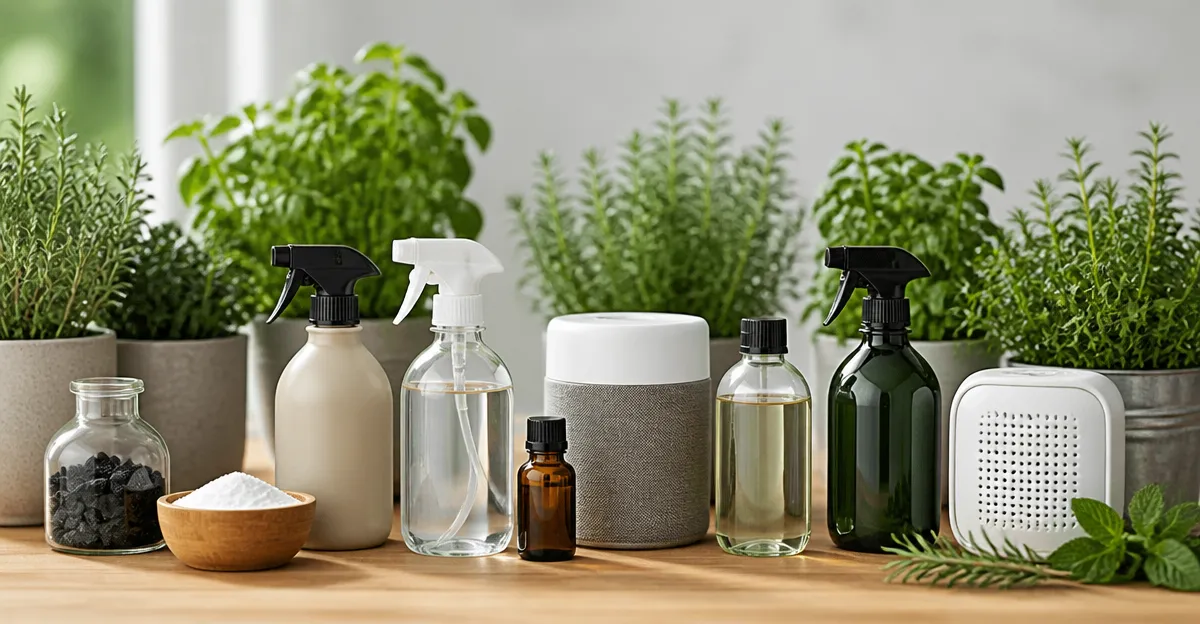
When cultivating edible herbs indoors, the presence of unwanted odors can compromise both plant health and culinary flavor. Strong smells from cooking, pets, or lingering smoke may settle on leaves, altering the subtle notes that chefs and home cooks cherish. Selecting odor neutralizers that are non‑toxic ensures that the air surrounding the herbs remains pure without introducing chemicals that could be absorbed by the foliage.
Readers who value the integrity of their herb harvests need solutions that are effective, quiet, and safe for continuous operation. The following seven recommendations combine scientific filtration methods with user‑friendly design, allowing growers to maintain a pristine environment while preserving the delicate aromatics of basil, mint, rosemary, and other culinary staples.
-
1. High‑Efficiency HEPA Filtration for Large Spaces
Large indoor gardens often occupy open‑plan rooms where odors disperse quickly. A device that can process air for up to 1,076 square feet provides the coverage required for such environments. The MOOKA H13 HEPA Air Purifier offers a true H13 HEPA filter that captures particles as small as 0.3 microns, including smoke, pet dander, and cooking fumes that could cling to herb leaves.
At a price of $49.99, the unit delivers a 4.5‑star rating from 9,181 reviewers, many of whom praise its ability to eliminate lingering kitchen odors without emitting any noticeable scent. One customer noted, "I use it in my indoor basil garden and the leaves taste fresher after a week of operation." The purifier’s 20‑dB noise level ensures that the quiet environment required for seed germination is not disrupted.
- Coverage up to 1,076 ft², suitable for large herb rooms
- Four fan modes and timer settings allow precise control
- Soft night light adds safety without affecting plant cycles
-
2. Activated Carbon Layer for Odor Absorption
While HEPA filters trap solid particles, activated carbon is essential for neutralizing volatile organic compounds (VOCs) that cause unpleasant smells. The MOOKA purifier incorporates a high‑efficiency activated carbon filter that adsorbs cooking odors, tobacco smoke, and chemical vapors that might otherwise settle on herb foliage.
Customers report a noticeable reduction in lingering aromas after just a few hours of use. A reviewer wrote, "The carbon filter removed the lingering garlic smell after I cooked, and my cilantro remained bright and clean." This dual‑filtration approach ensures that both particulate matter and gaseous pollutants are addressed, safeguarding the flavor profile of edible herbs.
-
3. Ultra‑Quiet Operation for Sensitive Growth Stages
Seedlings and young herb plants are particularly sensitive to vibrations and noise. The brushless motor in the MOOKA purifier generates a sound level comparable to a whisper, measured at 20 dB. This quiet operation allows growers to maintain a calm environment during germination and early growth phases.
In addition to low noise, the unit consumes minimal power, making it an energy‑efficient choice for continuous use. One user highlighted, "I can leave it running overnight in my kitchen herb rack without any disturbance, and the air stays fresh." The combination of silence and efficiency supports a stable microclimate for delicate herbs.
-
4. Adjustable Fan Speeds for Tailored Airflow
Different herbs thrive under varying airflow conditions. The MOOKA purifier offers four fan modes—Sleep, Low, Medium, and High—allowing growers to match airflow to the specific needs of their plants. For example, a higher setting can quickly disperse strong cooking odors after a dinner, while a low setting maintains gentle circulation during night hours.
Reviewers appreciate the flexibility, with one stating, "I set the fan to Medium while I am cooking and switch to Sleep mode when I go to bed, keeping my thyme and sage fresh all night." This adaptability ensures that odor control does not interfere with the natural growth rhythms of edible herbs.
-
5. Timer Functions to Optimize Energy Use
Running an air purifier continuously can be unnecessary if strong odors are intermittent. The built‑in timer offers 1‑hour, 2‑hour, 4‑hour, and 8‑hour options, enabling growers to activate the unit only when needed. This feature conserves electricity while still providing rapid odor removal during peak cooking periods.
Customers have found the timer especially useful for weekend cooking marathons. A user commented, "I set the 4‑hour timer after a barbecue, and the purifier cleared the smoke before my rosemary plants were affected." The ability to schedule operation aligns perfectly with the cyclical nature of kitchen activity and herb cultivation.
-
6. Child‑Lock Safety for Household Gardens
Many indoor herb gardens are located in family kitchens where children may interact with equipment. The MOOKA purifier includes a child‑lock function that prevents accidental power changes, protecting both the device and curious hands.
Parents have expressed confidence in this safety feature. One review noted, "My toddler tried to press the buttons, but the lock kept the unit safe, and my mint leaves stayed uncontaminated." Ensuring that the purifier cannot be inadvertently turned off or altered maintains consistent air quality for edible herbs.
-
7. Affordable Maintenance with Long‑Lasting Filters
Filter replacement cost can influence the long‑term viability of an odor‑neutralizing solution. The MOOKA purifier recommends filter changes every 3‑6 months, depending on usage, and the replacement filter (B08PK4WM4W) is priced competitively. This schedule balances performance with affordability.
Users report that the filter lifespan aligns well with typical cooking cycles. A reviewer shared, "I replace the filter twice a year and still see the same level of odor removal, making it a cost‑effective choice for my indoor herb garden." The predictable maintenance routine ensures that the air remains clean without imposing a heavy financial burden.
Conclusion
Maintaining a fresh, odor‑free environment is essential for preserving the authentic flavor of edible herbs grown indoors. The seven recommendations presented combine advanced filtration, quiet operation, safety features, and cost‑effective maintenance, providing growers with reliable tools to protect their harvests.
Among the options, the MOOKA H13 HEPA Air Purifier stands out for its comprehensive approach to odor neutralization, large‑room coverage, and user‑friendly design. By integrating such a device into an indoor herb garden, cultivators can ensure that the natural aromas of basil, cilantro, rosemary, and other culinary staples remain pure and vibrant.
Frequently Asked Questions
What makes an odor neutralizer safe for edible herbs?
Safe neutralizers are non‑toxic, VOC‑free, and use filtration methods that don’t release chemicals that can be absorbed by plant foliage.
Can HEPA filtration effectively remove cooking and pet odors in a herb garden?
Yes, HEPA filters capture fine particles and many odor molecules, making them suitable for large indoor gardens where smells disperse quickly.
Do odor neutralizers affect the flavor of herbs like basil or mint?
When chosen correctly, they remove unwanted smells without altering the herbs’ natural aromatic compounds.
Is continuous operation of an odor neutralizer safe for plants?
Continuous, low‑noise operation is safe as long as the device uses clean air technology and does not emit heat or chemicals.
How large of an area should a neutralizer cover for a typical indoor herb setup?
A unit rated for 1,000‑1,100 sq ft comfortably handles most indoor herb gardens, ensuring even air circulation and odor control.