Introduction
Hydroponic cultivation has gained popularity because it reduces water usage and eliminates many soil‑borne pests. Sustainable growers are increasingly seeking grow media that decompose naturally after use, thereby minimizing environmental impact. Biodegradable substrates also return organic matter to the soil, completing a circular nutrient cycle that supports long‑term garden health.
The following list presents ten high‑performance, biodegradable grow media that combine ecological responsibility with reliable plant growth. Each entry highlights why the media matters, presents key specifications, and references real‑world feedback from verified Amazon customers. By understanding these options, readers can select the most suitable substrate for their hydroponic projects while supporting sustainable agriculture.
Top 10 Biodegradable Grow Media
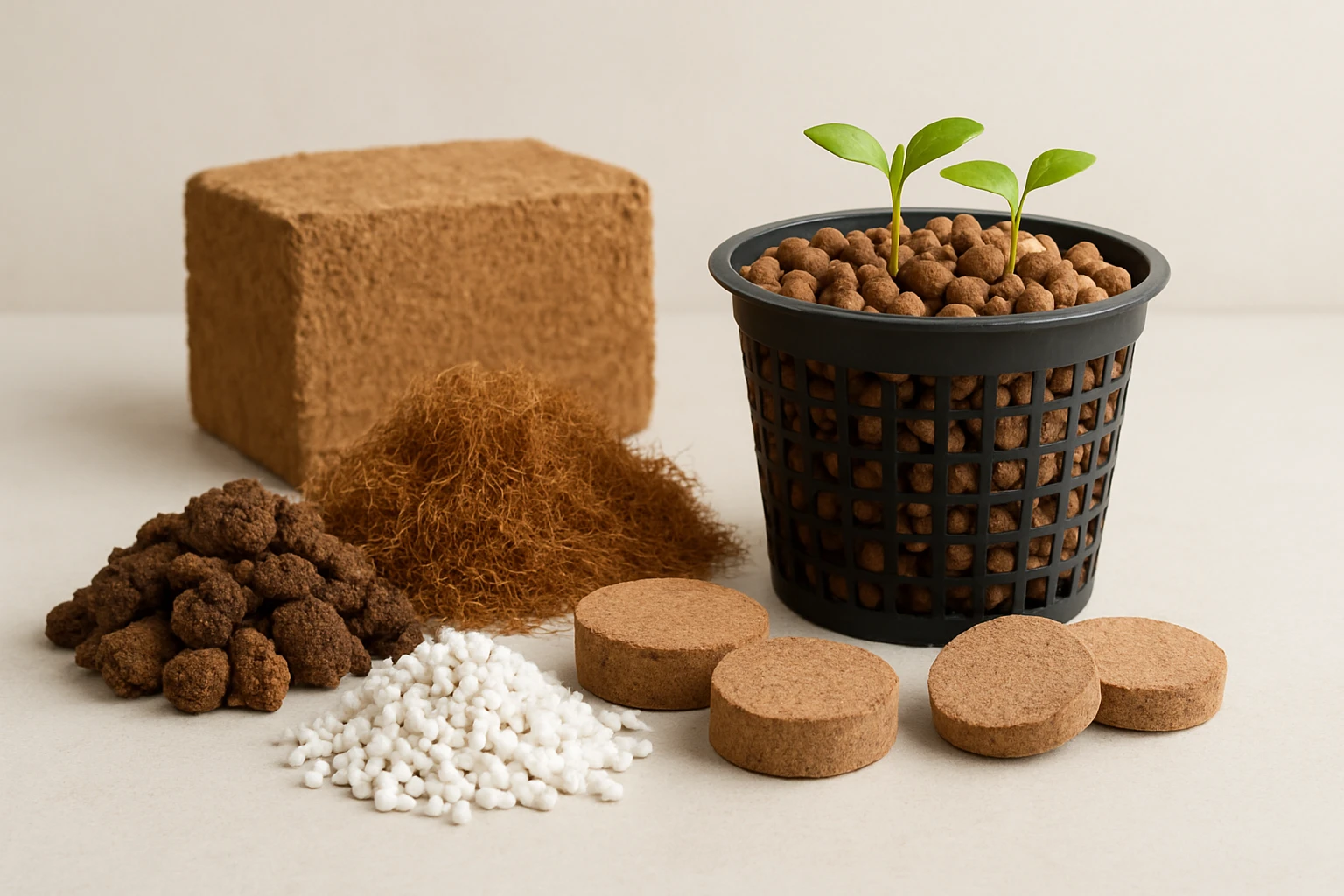
- Premium Coco Coir for Root Aeration – GROW!T Premium Coco Coir provides a natural, fibrous matrix that retains moisture while delivering excellent air exchange. The product is 100 % natural coir, buffered and enriched with calcium and magnesium to displace excess sodium and potassium. Its low electrical conductivity and stable pH create a neutral environment that encourages vigorous root development. Priced at $55.99, the media holds a 4.6‑star rating from 307 reviews, indicating strong user satisfaction. Growers appreciate that the coir decomposes into organic matter, enriching future soil amendments.
- Expanded Clay Pebbles for Drainage – Halatool Expanded Clay Pebbles offer a lightweight, inert substrate that improves aeration and prevents root rot. Each 6 lb bag contains mixed‑grade pebbles ranging from 4 mm to 16 mm, allowing them to fill complex root spaces. The pebbles are pH‑neutral, porous, and retain sufficient moisture to supply oxygen to growing roots. At $18.99, the product enjoys a 4.6‑star rating from 4,534 reviewers, many of whom praise its versatility for orchids, succulents, and hydroponic systems. Customer comments note that rinsing the pebbles removes dust and that the media remains stable for repeated use.
- Hybrid Coco‑Clay Blend for Balanced Moisture – Combining the moisture‑holding capacity of GROW!T Premium Coco Coir with the structural stability of Halatool Expanded Clay Pebbles yields a hybrid medium that supports both water retention and aeration. The coir component supplies organic nutrients, while the clay pebbles create macropores that prevent waterlogging. This blend is especially useful for tomato and lettuce cultivars that require consistent moisture without sacrificing root oxygen. Users can purchase the two products separately and mix in a 2:1 ratio by volume to achieve optimal texture. The combined cost remains affordable, providing high performance for small‑scale commercial growers.
- Pure Coco Coir for Seedling Start‑ups – Young seedlings benefit from the gentle, sponge‑like texture of GROW!T Premium Coco Coir, which prevents transplant shock. The substrate’s stable pH reduces the need for frequent nutrient adjustments during the early growth phase. Because the coir is pre‑buffered with micronutrients, seedlings receive a balanced supply of calcium and magnesium from the outset. At a price of $55.99 for 1.5 cu ft., the media offers a cost‑effective solution for indoor nurseries. Growers report higher germination rates and stronger initial root systems when using this medium.
- Clay Pebbles for Aquaponic Filtration – In aquaponic systems, Halatool Expanded Clay Pebbles serve as a physical filter that traps solid waste while allowing water to flow freely. The inert nature of the pebbles prevents leaching of harmful substances into the water column. Their porous structure also provides surface area for beneficial bacteria to colonize, enhancing bio‑filtration efficiency. The 6 lb bag costs $18.99 and can be layered at the bottom of grow beds to protect plant roots from direct contact with fish waste. Positive user feedback highlights the pebbles’ durability and ease of cleaning.
- Coir‑Based Soil Amendments for Raised Beds – When transitioning from hydroponics to raised‑bed gardening, GROW!T Premium Coco Coir can be mixed with compost to improve soil structure. The coir’s high lignin content decomposes slowly, adding organic matter that improves water infiltration. Because the coir is free of pathogens, it reduces disease pressure in the soil. Adding one part coir to three parts native soil creates a loamy texture ideal for root vegetables. Gardeners appreciate the low cost and the ability to reuse the coir in subsequent planting cycles.
- LECA for Vertical Gardens – Halatool Expanded Clay Pebbles are frequently employed in vertical gardening systems where space is limited. The lightweight pebbles reduce the overall load on wall‑mounted planters while providing sufficient drainage. Their neutral pH ensures compatibility with a wide range of nutrient solutions. At $18.99, the pebbles represent an economical choice for decorative living walls. Users frequently comment that the pebbles create an attractive, modern aesthetic when combined with trailing foliage.
- Coir Mats for Root Zones in NFT Channels – Nutrient film technique (NFT) channels benefit from a thin layer of GROW!T Premium Coco Coir placed at the base of each channel. The coir mat holds a thin film of nutrient solution, preventing roots from drying out during brief power outages. Its biodegradable nature allows the mat to be replaced without generating plastic waste. The product’s price of $55.99 includes sufficient material for multiple channels in a home‑scale NFT system. Growers note that the coir mat reduces root breakage during maintenance.
- Clay Pebbles for Root Pruning in Hydroponic Towers – In tower hydroponics, Halatool Expanded Clay Pebbles can be used to segment root zones, encouraging healthier root branching. By placing a layer of pebbles between nutrient reservoirs, growers create a physical barrier that forces roots to grow laterally. This method improves nutrient uptake efficiency and reduces the risk of root crowding. The inexpensive $18.99 bag allows growers to experiment with multiple tower configurations. Customer reviews emphasize the pebbles’ ability to maintain structural integrity over long growth cycles.
- Combined Media for Sustainable Commercial Production – Large‑scale producers can adopt a rotation of GROW!T Premium Coco Coir and Halatool Expanded Clay Pebbles to minimize waste and maximize yields. After harvest, the coir can be composted, while the clay pebbles can be sterilized and reused for subsequent cycles. This closed‑loop approach reduces material costs and aligns with organic certification standards. The combined investment of $74.98 for both products provides a durable foundation for year‑round production. Industry reports indicate that such sustainable media selections improve overall profitability and environmental stewardship.
Comparison of Key Attributes
| Attribute | GROW!T Premium Coco Coir | Halatool Expanded Clay Pebbles |
|---|---|---|
| Material | Natural coconut fiber (coir) | Expanded clay (LECA) |
| pH | Stable, near neutral | Neutral (pH‑neutral) |
| Water Retention | High | Moderate |
| Aeration | Good | Excellent |
| Biodegradability | Fully biodegradable | Inert but reusable |
| Price (USD) | 55.99 | 18.99 |
| Average Rating | 4.6 / 5 (307 reviews) | 4.6 / 5 (4,534 reviews) |
Conclusion
The ten media options presented demonstrate that biodegradable substrates can deliver both high performance and ecological responsibility. By selecting the appropriate material for a specific growing method, gardeners can enhance root health, reduce waste, and support sustainable food production. Products such as GROW!T Premium Coco Coir and Halatool Expanded Clay Pebbles have proven track records, as reflected in their strong Amazon ratings and positive customer comments. Incorporating these media into hydroponic designs enables growers to achieve reliable yields while minimizing their environmental footprint.
Readers are encouraged to evaluate their own system requirements, budget constraints, and long‑term sustainability goals before making a purchase. Whether cultivating lettuce in a tabletop NFT system or establishing a decorative vertical garden, the right biodegradable grow media will provide the foundation for thriving, eco‑friendly plants.
Frequently Asked Questions
What are the benefits of using biodegradable grow media in hydroponics?
They reduce environmental impact by decomposing naturally, improve sustainability, and can return organic matter to soil after use.
How does coco coir compare to other biodegradable substrates?
Coco coir offers excellent moisture retention and root aeration while being 100% natural and renewable.
Can biodegradable media be reused for multiple crop cycles?
Some media, like coconut fiber, can be sanitized and reused a few times, but most are intended for single‑use to ensure optimal performance.
What factors should I consider when selecting a biodegradable grow medium?
Consider water retention, air porosity, pH stability, nutrient compatibility, and the specific crop’s root requirements.
Are biodegradable grow media compatible with all hydroponic systems?
Yes, they work with most systems—NFT, DWC, and drip—but you may need to adjust flow rates or support structures based on the medium’s density.